
- News
- lifestyle
- travel
- destinations
- Little Indias around the world" Countries with the largest Indian diasporas
Little Indias around the world" Countries with the largest Indian diasporas

Little Indias around the world: Countries with the largest Indian diasporas
The diaspora of India is among the biggest and most important diasporas in the world. Being present all around the globe, Indians have had considerable influence on the economy, politics, culture, and even cuisine outside of their native state. Some came years ago as tradesmen, labourers, and professionals, but other diaspora members immigrated later in pursuit of higher education and career opportunities.
In today’s day and age, there are believed to be more than 30 million Indian diasporas throughout the globe. Whether in Silicon Valley boardrooms or Southeast Asian trading neighbourhoods, Indians still play a significant role within the societies they are part of. Below are the largest Indian diaspora nations based on statistics provided by India’s Ministry of External Affairs (May 2024).

United States - 5.4 million
Home to the largest number of Indians living outside their homeland, the United States is also the residence of highly successful immigrants. Indian Americans are among the best-performing immigrant groups in the US, having achieved success in the fields of information technology, medicine, education, business, and politics. In cities such as New York, San Francisco, Chicago, Dallas, and New Jersey, the Indian community is flourishing, and celebrations such as Diwali are becoming popular.
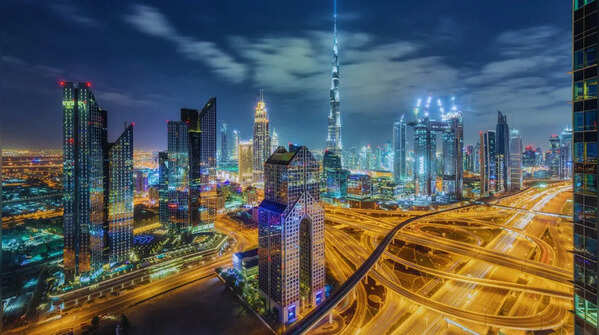
United Arab Emirates - 3.6 million
Hardly any other country in the world can claim such close links with India as the United Arab Emirates. With Indians comprising the largest group of expats in the UAE, they are key players in industries including construction, retail trade, finance, medicine, and even IT. Indian culture is present in all aspects of life, as evidenced by restaurants, schools, temples, and other enterprises that Indians have built in Dubai and Abu Dhabi. The proximity of the two countries is an additional bonus.
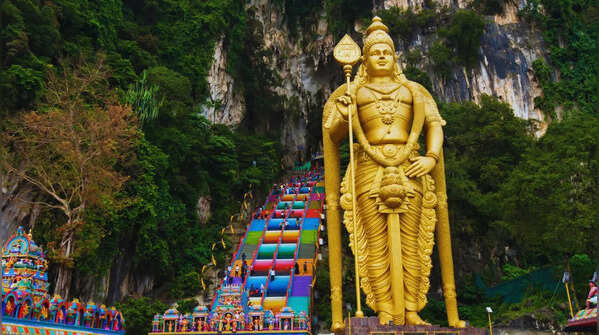
Malaysia - 2.9 million
The Malaysian Indian population is descended mainly from people who migrated to the region during the period of British colonial rule, who came to build plantations, railways, and other infrastructure. Today, the Indian population in Malaysia forms an important component of the nation’s diverse multiculturalism. Indian culture plays an important role in various aspects, ranging from festivals and temples to cuisine and language. “Little India” neighborhoods, like the one found in Kuala Lumpur’s Brickfields suburb, are examples of how prominent Indian culture is in Malaysia.

Canada - 2.9 million
In the last few decades, Canada has become one of the favourite destinations for immigrants coming out of India. Various communities of Indians have formed in Canada’s major cities like Toronto, Vancouver, Calgary, and Brampton. The community comprises students, professionals, entrepreneurs, and settled families among others. Indian festivals, places of worship, and businesses have become important features of Canada's multicultural landscape, making Indian culture one of the country's most visible immigrant influences.

Saudi Arabia – 2.5 million
The Indians in Saudi Arabia are mainly related to work opportunities in the construction, engineering, healthcare, and service industries. For many years now, the Indians have played a critical role in helping to develop the kingdom. This is largely due to the geographical closeness between the two nations, as well as long trade relations dating several centuries back before the contemporary times.
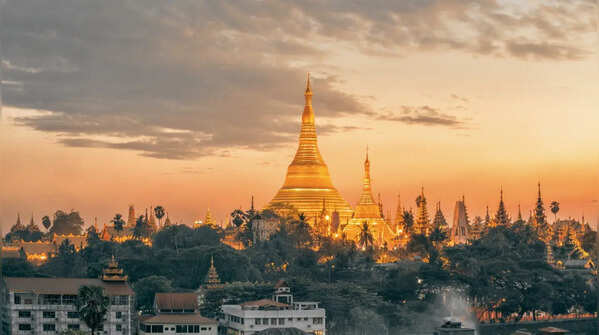
Myanmar – 2.0 million
The Indians in Myanmar are among the longest standing historically in Southeast Asia. There were large migrations of people from different parts of India to what was then known as Burma. These migrations happened while Burma was under the control of the British, and the reason for this was for trade, administration, and labour purposes. Regardless of changing political regimes and tumultuous events, Indian culture still lives on in places like Yangon.

United Kingdom – 1.9 million
The Indian diaspora group residing in the UK is one of the largest groups in that country. Large-scale migration was seen post-World War II, where migrants helped overcome labour shortages in various sectors. Currently, British Indians form a major part of the corporate world, politics, health care industry, education, and the arts. The influence of Indian food in Britain is so great that Indian dishes such as chicken tikka masala have been declared as favourites by Brits. Indian populations can be found in cities like London, Leicester, and Birmingham.

South Africa – 1.7 million
Indian settlers migrated to South Africa in 1860 for the purpose of working on sugar plantations in Natal. Over time, they have diversified their presence in various spheres, including business and politics. One of the most significant chapters in this shared history involves Mahatma Gandhi, who spent more than two decades in South Africa and developed many of the ideas that would later shape India's freedom movement.
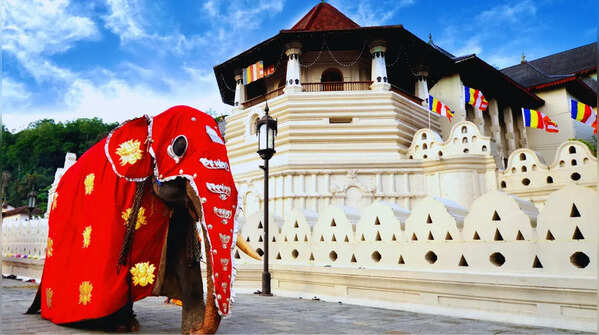
Sri Lanka - 1.6 million
The historical connections between Indians and Sri Lanka go back millennia through various factors such as trade, religion, immigration, and cultural interaction. Many Indians who have come from Sri Lanka are Indian Tamils whose forefathers were relocated to Sri Lanka during the British era to cultivate tea estates.
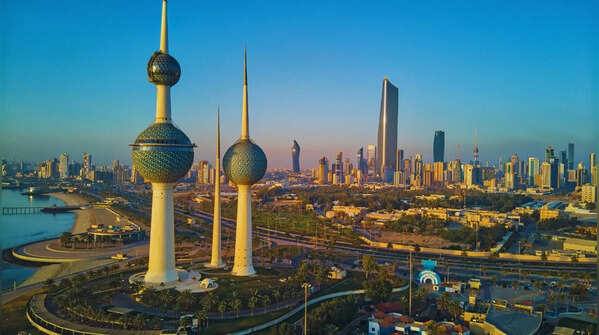
Kuwait - 996,000
While not as large in terms of population as many other nations listed, Kuwait is home to one of the biggest Indian populations in the entire Gulf region relative to its own population. Indians work across a wide range of sectors, including healthcare, engineering, education, hospitality, and business.
Featured In lifestyle

