
- News
- lifestyle
- travel
- destinations
- From Tigers to Jaguars: 10 iconic safari adventures around the world
From Tigers to Jaguars: 10 iconic safari adventures around the world
From Tigers to Jaguars: 10 iconic safari adventures around the world
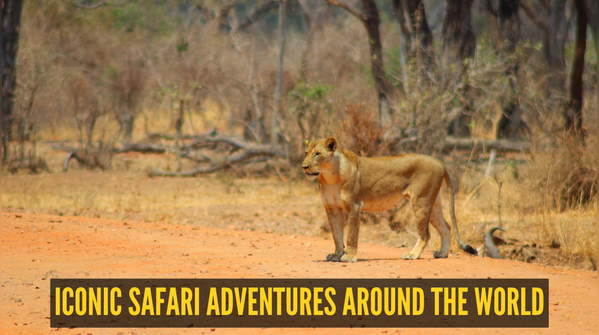
Going on a safari isn't just taking another standard vacation. It’s a rare invitation to see wild animals exactly where they belong, exploring untamed and remote stretches of the globe.
Nowadays, these adventures also do some conservation. Safari tourism helps safeguard vulnerable species and pumps vital support right back into local communities. No matter what gets your heart racing, locking eyes with a wild tiger in Rajasthan, spotting a stealthy leopard in Sri Lanka, or watching thousands of wildebeest plunge into an East African river, there’s an ideal wildlife destination waiting for you.
Here are 10 legendary safari hotspots that absolutely belong on your travel bucket list.
Image Credit: Canva
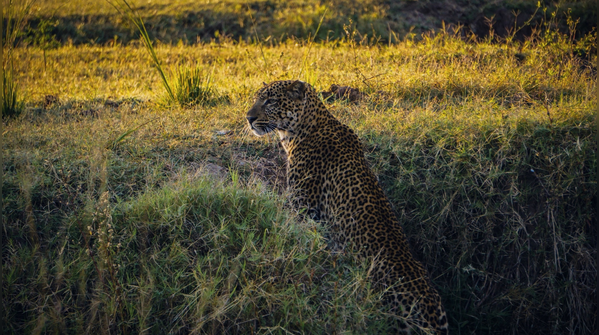
South Luangwa National Park, Zambia
Tucked away in eastern Zambia, South Luangwa is widely celebrated as the true birthplace of the modern walking safari. Instead of just sitting in a 4x4, you actually get to step out into the bush and track wildlife on foot.
The lifeblood of the park is the Luangwa River. It naturally draws massive crowds of hippos, crocodiles, elephants, and buffaloes, not to mention a dizzying variety of birdlife. If you're hoping to see leopards, this is also one of the absolute best spots in all of Africa to find them.
When to go: The dry season runs from June to November. Animals are forced to gather around the shrinking waterholes, making them much easier to find.
Image Credit: Canva
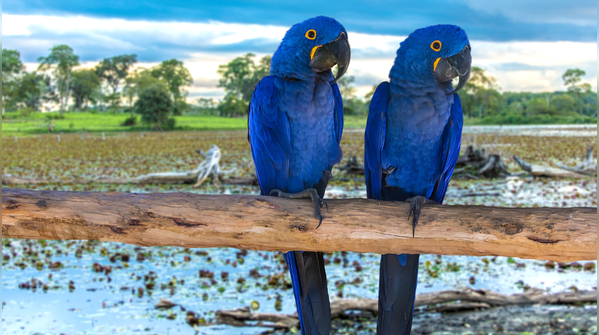
Pantanal, Brazil
When most people dream of South American wildlife, their minds instantly jump to the Amazon. But let's be honest, if you actually want to see animals, the Pantanal is vastly superior.
As the largest tropical wetland on the planet, the Pantanal boasts an incredibly dense wildlife population. Most famously, it offers your best shot at seeing wild jaguars. You'll spend a lot of your time on boat safaris, cruising the rivers and waterways to track down these magnificent big cats, alongside giant river otters, capybaras, caimans, and a vibrant array of tropical birds.
When to go: Aim for the dry season between July and October. As the water levels drop, the animals come out into the open.
Image Credit: Canva
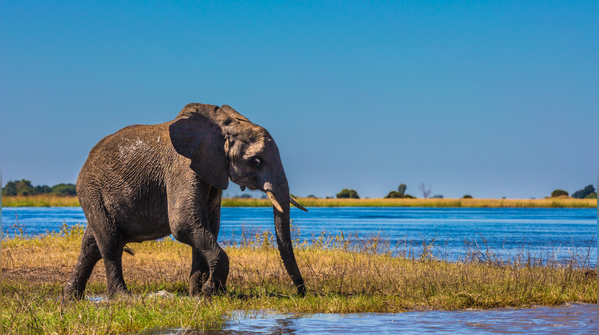
Okavango Delta, Botswana
The Okavango Delta is simply one of Africa’s most mind-blowing wonders, a massive, lush oasis smack in the middle of the parched Kalahari Desert. Rather than emptying out into an ocean, the Okavango River fans out inland, creating a sprawling web of lagoons, islands, and narrow channels teeming with life.
You can glide through the peaceful waterways in a traditional mokoro (a dugout canoe), bringing you incredibly close to elephants, lions, cheetahs, leopards, and highly endangered African wild dogs.
When to go: Peak viewing happens from June to August when the seasonal floodwaters arrive, forcing wildlife to congregate on the remaining patches of dry land.
Image Credit: Canva
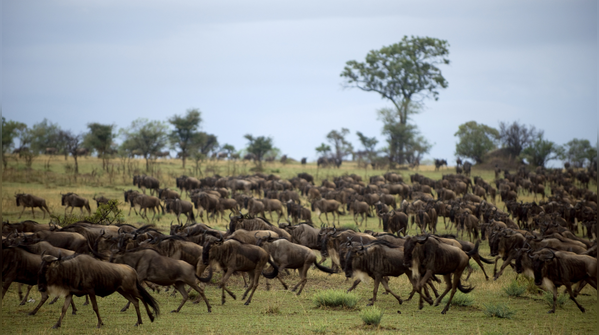
Serengeti National Park, Tanzania
Spreaded across northern Tanzania, this national park witnesses the great migration of wildlife. Every year over a million of wildebeest, along with zebras and gazelles march across the plains for fresh grass. This massive herd attracts predators like lion, leopards, and cheetahs that guarantees high stake wildlife drama.
When to go: Visit between January and March for the calving season, or hold off until July through October if you want to witness the chaotic, adrenaline-fueled river crossings.
Image Credit: Canva
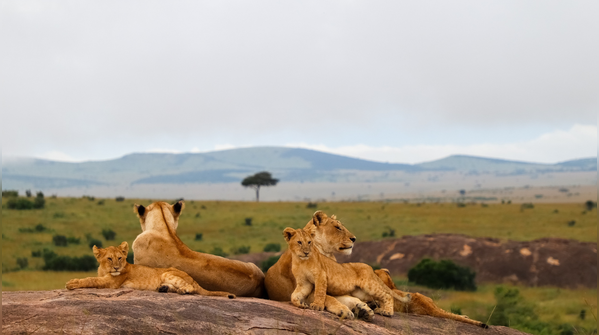
Maasai Mara National Reserve, Kenya
Sharing an unfenced border with the Serengeti, Kenya’s Maasai Mara is another titan of African wildlife travel.
The Masai Mara is famous for packing a ridiculous amount of wildlife into a relatively small area, resulting in some of the most consistent big-cat sightings on the continent. Game drives here regularly turn up lions, leopards, cheetahs, huge elephant herds, giraffes, and grumpy buffaloes.
When to go: The absolute peak of the drama hits between July and October. This is when the migrating wildebeest take their terrifying plunge across the crocodile-infested Mara River, a scene that photographers spend their whole lives trying to capture.
Image Credit: Canva
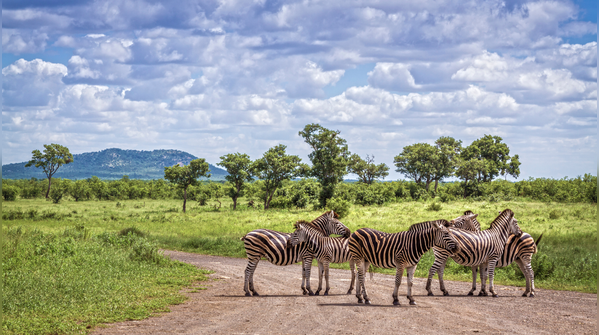
Kruger National Park, South Africa
If you want that quintessential African safari but prefer top-tier infrastructure, South Africa's Kruger National Park is basically unbeatable.
Spanning nearly two million hectares, Kruger is the iconic home of the Big Five (lion, leopard, elephant, rhino, and buffalo). You'll also have great odds of spotting wild dogs, cheetahs, hyenas, and hundreds of different birds. You can splash out on an ultra-luxury lodge, join a guided group, or simply rent a car and drive yourself around the paved roads.
When to go: The dry winter months (May to October) are prime time. The bush thins out, and animals are forced to hang around the main rivers and waterholes.
Image Credit: Canva
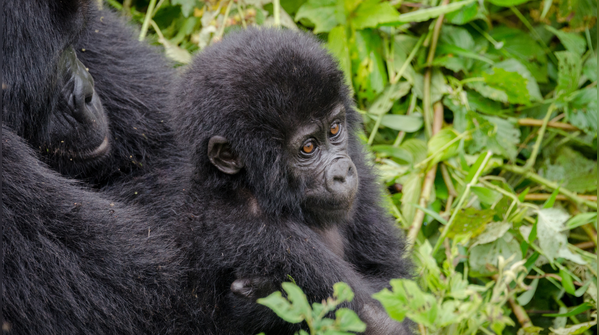
Bwindi Impenetrable National Park, Uganda
Bwindi trades the classic open savanna for something entirely different. Hidden away in southwestern Uganda, this thick, ancient rainforest is one of the final natural sanctuaries for the critically endangered mountain gorilla.
The undisputed main event here is gorilla trekking. You'll hike through incredibly dense, humid foliage with expert trackers to find a habituated gorilla family. Sitting quietly in the mud just a few feet away from a massive silverback is an emotional, once-in-a-lifetime experience.
When to go: The dry windows (June to August and December to February) make the steep, muddy hikes much more manageable.
Image Credit: Canva
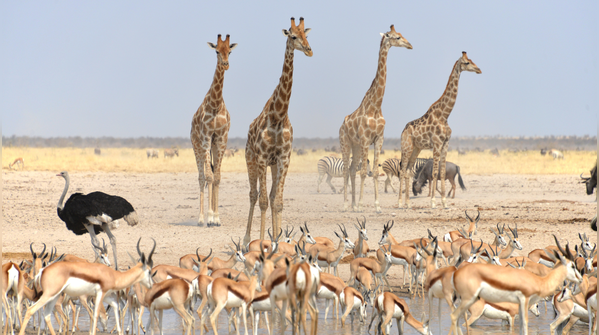
Etosha National Park, Namibia
Etosha flips the script with a stark, blindingly white desert landscape. The park is dominated by the Etosha Pan, a massive, dried-up salt flat so enormous it can literally be seen from space.
Safari life here is all about the waterholes. Because the environment is so arid, animals are forced to come to the water to survive. You can park by a single waterhole and watch elephants, lions, black rhinos, zebras, giraffes, and antelopes take turns drinking.
When to go: May to October (the dry season) is perfect.
Image Credit: Canva
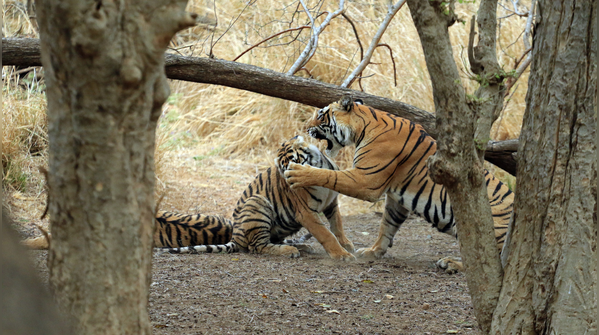
Ranthambore National Park, India
For Indian wildlife enthusiasts (and global tiger chasers), Ranthambore is royalty. Tucked into Rajasthan's Sawai Madhopur district, this park is globally renowned for its stunning Royal Bengal Tigers.
You’re tracking big cats against a backdrop of crumbling ancient ruins, vine-covered temples, scenic lakes, and the looming Ranthambore Fort. Aside from the big cats, keep an eye out for leopards, sloth bears, crocodiles, striped hyenas, and several types of deer.
When to go: The sweltering months of April to June offer the best tiger sightings, as the heat drives the cats out to the lakes and watering holes to cool off.
Image Credit: Canva
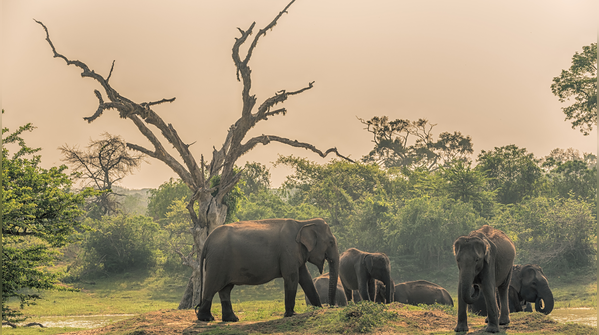
Yala National Park, Sri Lanka
Hugging the southeastern coast of Sri Lanka, Yala National Park is arguably the easiest place on the planet to spot a wild leopard.
In most parts of the world, leopards are notoriously shy and nocturnal. In Yala, they rule the roost and frequently stroll out in broad daylight. The park itself is gorgeous, featuring a mix of dense forests, and a rugged coastline. While hunting for spots, you’ll likely bump into elephants, shaggy sloth bears, water buffaloes, crocodiles, and an incredible array of birds.
When to go: Plan your trip between February and July. The water levels drop, bringing all the wildlife out into the open to drink.
Image Credit: Canva
Featured In lifestyle

