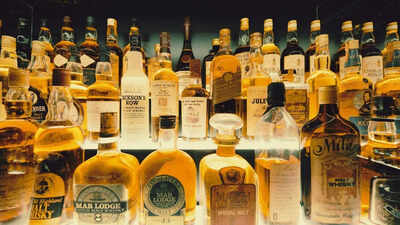
The whisky relationship in India is rapidly evolving. For decades whisky was consumed primarily as a social drink, with many drinkers more concerned with brand recognition than the craft that went into what was in their glass. Today, however, a new generation of consumers is increasingly concerned with where whisky comes from, what it is made of, how it is made and what it tastes like. This rising awareness is driving demand for premium and luxury whiskies across the country.
Consumers are looking not just to order a whisky, but to understand what sets one expression apart from another. Hence, terms such as single malt, blended whisky, cask-ageing, maturation and tasting notes are entering mainstream conversation. This has been helped by Indian single malts in particular, which have shown consumers the impact local climate, barley, distillation techniques and oak maturation can have on flavour. But despite the increasing interest, many whisky drinkers still have a poor understanding of some of the industry’s most basic concepts. For example, many people think that "single malt" means whisky from one cask, but it really means whisky produced at one distillery from malted barley.
Also, the difference between single malt, blended malt and blended whisky is often not very clear.
As India’s whisky culture matures, understanding these fundamentals will be as important as understanding the drink itself. With every bottle, not only does the enjoyment increase, but so does the respect for the craftsmanship that goes into it. When it comes to whiskey, volume is no longer a parameter in India. According to the industry reports by Custom Market Insights, Indian whisky market, which was valued at US$3.8 billion in FY2024, is set to reach US$6.8 billion by FY2033 at a CAGR of 6.3%. Domestic distillers are riding this wave hard with their super-premium single malts that directly challenge the historical dominance of imported scotch. Smart consumers are upgrading from the standard pours. To fully appreciate this dynamic market shift, one must comprehend the basic differences between the liquid categories driving this extraordinary growth.
Maj Gen (Dr) Rajesh Chopra, AVSM (Retd), Director General, Indian Malt Whiskey Association (IMWA) breaks down the nuances of whiskey and explains in detail the various categories and their significance in the alcohol culture. The Single Malt CategoryA widespread misconception assumes that the word 'single' means that the beverage comes in just one barrel. The reality is quite different. A single malt whisky is made from 100% malted barley, made in a single distillery using copper pot stills and matured for minimum of three (03) years in oak casks of capacity less than 700 liters. Distillers combine barley with pure water and yeast, no neutral spirits or flavours are added, apart from permitted caramel colour (E150a). They then distil the fermented liquid using traditional copper pot stills, which are crucial for extracting rich and complex flavour profiles. The subsequent transformation occurs during the maturation process within oak wood casks. For spirits crafted within India, the local tropical climate plays a highly pivotal role. The intense summer heat and the big temperature differences between day and night speed up the interaction between the liquid and the oak wood. It allows the liquid to develop deep tropical fruit notes, warm spices and a really robust mouthfeel.
Pure Malt WhiskyPure Malt Whisky refers to a whisky made exclusively from 100% malted barley, similar to single malt in terms of raw material, but with a key distinction it is produced by blending malt whiskies from two or more distilleries. Like single malt, it is distilled in copper pot stills and matured in oak casks of less than 700 litres capacity, for a minimum of three (03) years. This category gives distillers more scope to create balanced and consistent flavour profiles by blending the distinct characteristics of different distilleries, whilst holding on to the richness and complexity of malt-based whiskies.
Blended WhiskyBlended whisky is a whole different philosophical and technical level. Blending is an art of complexity, not the hyper-specific character of a distillery in isolation. The aim is total consistency and wide appeal. The master blenders are adept at marrying grain whiskies with single malts. These are grain whiskies, usually distilled in a continuous still from grains like corn, wheat, rye, etc. This balancing act allows each bottle to have the same flavour profile from year to year regardless of the conditions on the harvest. The intention with blends is that they’re smooth, approachable and very versatile. “They cater to a wide audience seamlessly. They ultimately become the backbone of global cocktail cultures and casual social drinking occasions.
The fundamental difference The fundamental difference between the two different styles is in essence a choice between distinctive performance or reliable standardisation. Single malts are much praised for their bold individuality. Each batch has the very essence of the terroir, the local water source, the specific shape of the copper still and the precise cask management techniques of that unique geographical location. Enthusiasts are actively hunting down these bottles to find uncompromising and highly specific flavour profiles. Blends are meant to be instantly accessible. Master blenders blend together a variety of old spirits for smoothing out any sharp edges, resulting in a balanced and harmonious drink.
Handcrafted Indian whiskyThe domestic malt whisky industry is quickly redefining India’s authentic luxury scene. India has transformed from a consumer market for international spirits to a producer of world class malt whiskies that are being praised by critics, connoisseurs and international competitions alike. This change has been driven by a combination of innovation, craftsmanship, good climate and a dedication to quality that rivals the best whisky producing regions in the world.
Industry bodies and representative organisations are the engine room of this progress, working tirelessly to uphold high production standards, advocate for the sector and build global respect for spirits made in India. Their ambition is not just to grow a business but to be able to showcase India’s capabilities to the rest of the world and set domestic malt whiskies as the benchmark for excellence, authenticity and luxury. These organisations are helping Indian brands to compete confidently against international names of repute and supporting the promotion of best practices, innovation and an enabling environment for sustainable growth.
They are committed to making real spirits of the highest technical standards. From the selection of the sources of barley and pure water, to the exact distillation methods and patient ageing, every step of the process reflects a commitment to quality. Indian distillers are blending time-honoured whisky-making traditions with local know-how to create distinctive expressions that meet global benchmarks of excellence.
Meanwhile whisky drinkers everywhere are getting more and more knowledgeable. Today's connoisseurs are more inquisitive than ever about what is in their glass, wanting to understand the nuances that distinguish a single malt from a blend, the impact of cask ageing and the role of terroir and climate in shaping flavour profiles. As palates become more sophisticated so does the appreciation of complex single malts and well made blends. The more you know about the history and process of making different styles of whisky, the more meaningful the experience of drinking it becomes. Single malts are made in a single distillery from malted barley and often express the personality of a place and a maker. Blended whiskies, on the other hand, show the art of blending different whiskies to create balance, consistency and complexity. Each bottle has a story to tell about tradition, craftsmanship and painstaking attention to detail. Consumers learn about the ingredients, production processes and heritage behind these spirits and discover that enjoying whisky is about more than just pouring a glass. “It is a journey of culture, history, geography and craftsmanship.” This is where whisky connects the places and cultures, enabling us to appreciate the dedication of the distillers behind them and the heritage that each expression carries.
Indian malt whiskies are not only elevating the country’s stock in the global spirits industry, they are also showing that luxury is not about glitz and glamour. It can be about authenticity, quality and a deep respect for craft. The story of India’s whisky industry is a bigger story of confidence, innovation and excellence which is getting more and more attention around the globe.