
- News
- Science News
- Air conditioning was invented in America, but not to keep people cool
Air conditioning was invented in America, but not to keep people cool
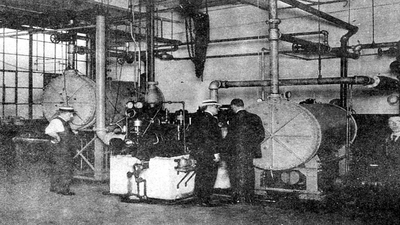
Image of Magna Mine AC System that made large-scale air conditioning feasible inventor, with inventor Willis Carrier at center| Image Credit: Wikimedia Commons
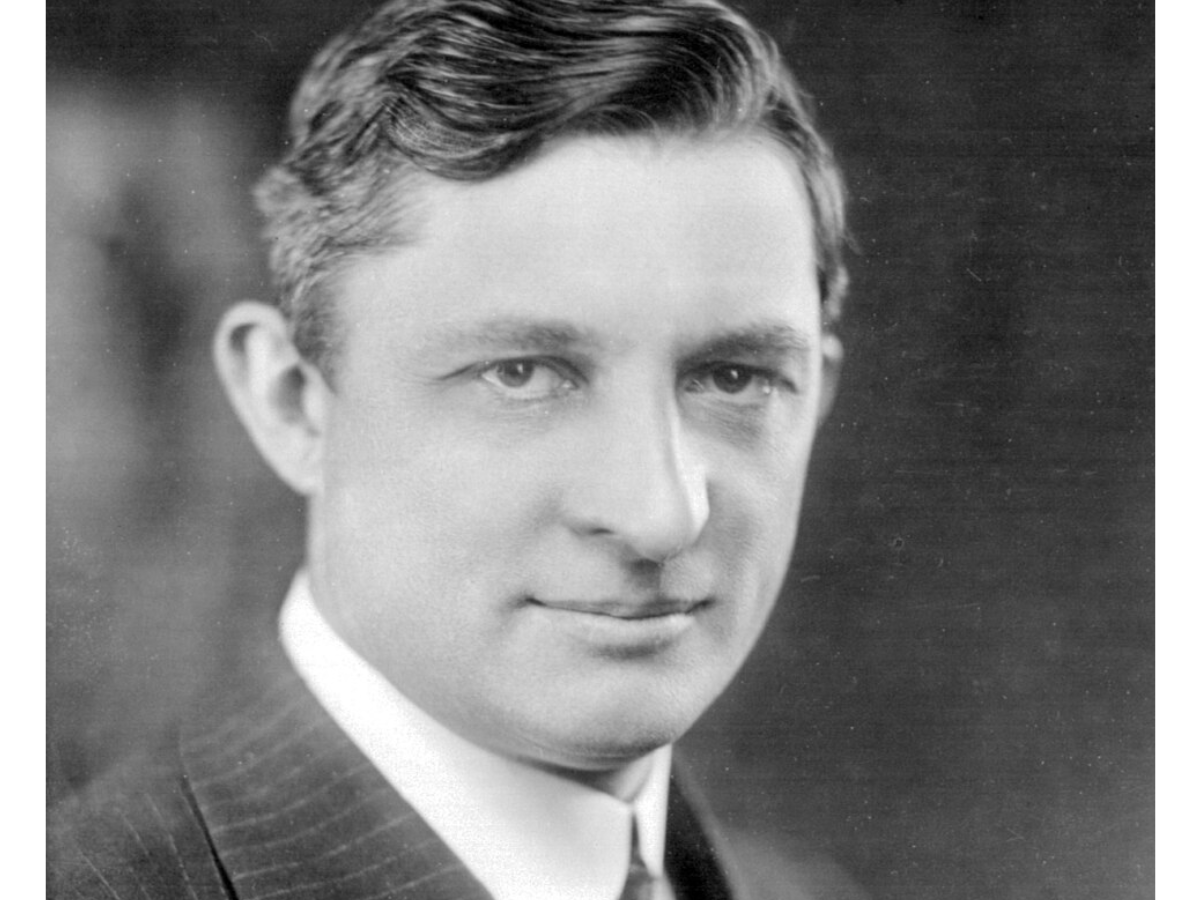
Image of Willis Carrier| Image Credit: Wikimedia Commons

About the AuthorTOI Science Desk
End of Article
Follow Us On Social Media

Hot Picks
Top Trending
Tired of too many ads?go ad free now
Trending Stories
In Section
Entire Website
- US-Israel-Iran War News Live Updates: US strikes Iranian military site, downs drones; Iran targets passing ships attempting to cross Hormuz
- Karnataka CM News: DKS hugs Siddaramaiah, touches his feet at breakfast meet; Parameshwara says Karnataka CM to resign
- Hungry For More Post: Vaibhav Sooryavanshi smashes 97 off 29 in Eliminator; breaks Chris Gayle’s 65 sixes mark
- 'Get out of my country': Indian-origin couple racially abused in US; viral video sparks outrage
- Karnataka CM likely to step down; DKS, Siddaramaiah bonhomie: What happened at key breakfast meeting?
- Bengaluru said Swalpa Adjust Maadi for too long; Casagrand Moondance on Mysore road begs to differ
- LeT turns on its Pakistan masters over recognising Israel
- TMC MP Files Misogyny Complaint: Dastidar alleges abuse by Kalyan Banerjee; complaint to Om Birla
- DDCET 2026 results shortly on ACPC website - gujacpc.admissions.nic.in; check details here
- Delhi's renaming push: From Dwarka Metro to Britannia Chowk, several landmarks get new names
- US-Israel-Iran War News Live Updates: US strikes Iranian military site, downs drones; Iran targets passing ships attempting to cross Hormuz
- Karnataka CM News: DKS hugs Siddaramaiah, touches his feet at breakfast meet; Parameshwara says Karnataka CM to resign
- Hungry For More Post: Vaibhav Sooryavanshi smashes 97 off 29 in Eliminator; breaks Chris Gayle’s 65 sixes mark
- 'Get out of my country': Indian-origin couple racially abused in US; viral video sparks outrage
- Karnataka CM likely to step down; DKS, Siddaramaiah bonhomie: What happened at key breakfast meeting?
- Bengaluru said Swalpa Adjust Maadi for too long; Casagrand Moondance on Mysore road begs to differ
- LeT turns on its Pakistan masters over recognising Israel
- TMC MP Files Misogyny Complaint: Dastidar alleges abuse by Kalyan Banerjee; complaint to Om Birla
- DDCET 2026 results shortly on ACPC website - gujacpc.admissions.nic.in; check details here
- Delhi's renaming push: From Dwarka Metro to Britannia Chowk, several landmarks get new names
Tired of too many ads?go ad free now



Explore Every Corner
Across The Globe
US Strike IranIran War NewsNBA Trade RumorIPL Orange CapNorway ChessVaibhav SooryavanshiMLB Trade RumorsFortnite DownDennis RodmanWWE ClashCow Slaughter Ban8th Pay CommissionCNG Price Hike PuneRahul GandhiBengaluru BMTC BusKarnataka CM NewsBank Holiday TodayChris GayleAssam UCC bilDonald TrumpCET ResultsAir India FlightKEA KCET Result 2026New BJP chiefsKakoli GhoshKavya MaranDK ShivakumarFuel price hikeGrocery price hikeIndian mango exports

Hot on the Web
Priya KapurRanveer SinghEid-ul-Adha WishesBlast ReviewRanveer Singh ControversyMika SinghImtiaz AliWhen is BakridKunal KohliEid Mubarak WishesBakrid WishesDrishyam 3 Box Office CollectionPooja BhattDhurandhar Television PremiereSai PallaviRakhi SawantChand Mera Dil Box Office CollectionKattalan ReviewAishwarya Rai BachchanSalman KhanKaruppu Box Office CollectionSonakshi SinhaAshoke PanditBashir BadrHoney SinghBlast ReviewAamir KhanDhurandhar 2 Box Office CollectionPati Patni Aur Woh Do Box Office CollectionHoroscope TodayMahmud Sadis BubaParveen ShaikhUS Powerball LotteryGemini AI Prompts For EidOla Compensation CaseINS KolkataNyt ConnectionsMilky Way’s Deadly CosmicJellyfish That Never DiesChina New Humanoid RobotS 400Captions For Instagram Posts
Trending Topics
RR VS SRH IPL MatchCM SiddaramaiahAnik Dutta SuicideTrinamool CongressPatna Boat AccidentED Team AttackedMamata BanerjeeTwisha SharmaDipankar BhattacharyaAir India FlightEbola CasesStock Market Holiday TodayBank holiday todayNEET UG Paper Leak CaseVaibhav SooryavanshiDelhi Consumer CourtAbhishek BanerjeeTwisha SharmaKolkata Messi statueEbola bengaluruTrump warns OmanUS Iran warJPMorganDonald TrumpDonald Trump Cabinet MeetingStrait Of HormuzMohammed OdehDelhi Illegal Animal SacrificeKasauli Forest FireIPL Purple CapTata Tiago FaceliftGlassworm BotnetBill WintersJensen HuangMark CubanElon MuskHack Of The DayGoogle EmployeeGarena Free Fire MAX Redeem CodesPeroxide CodesGenshin Impact Codes
Popular Categories
HeadlinesSports NewsBusiness NewsIndia NewsWorld NewsInternational SportsHealthIndian TV ShowsTechnologyTravelEtimesAstrologyDeorhiAutoTechnology NewsGold Rate TodayWeather TodaySilver Price TodayDelhi Weather TodayPetrol Price TodayDiesel Price TodayCNG Price TodayLPG Price TodayPetrol Price MumbaiDelhi AQIIs Bank Open TodayMumbai AQI TodayIs Bank Open TomorrowPublic Holidays in MayBank Holidays in May
Trending Videos
Tamil Nadu CM Vijay Postpones Delhi Meeting With Rahul Gandhi After PM Modi MeetWhat is Kaal Bhairava? India’s AI combat drone and the Portugal defence deal explainedOn Cam: IRGC Missiles Roar Towards US Base In Kuwait After Bandar Abbas Strike; 'More Strikes...'Putin's Rare Response Goes Viral After U.S. Ally Fighter Jets Roar In Respect Of Russian LeaderPutin's Oreshnik Panic Reaches White House; Ukraine Begs Trump For Help, Zelensky Pleads Capitol The Untold D-Day Detail Brendan Fraser & Andrew Scott Want You To KnowSaudi Crushes Trump's Dream; MBS' Blunt Message; 'Won't Fulfil Your Fantasies' On Israel | Iran WarIran Releases Dramatic U.S. 'F-15 Crash' Footage With Music, Dance & Wedding In BackgroundRoyals Desperate To ‘Cleanse’ Frogmore Cottage? Harry & Meghan’s Last Trains Being RemovedShraddha Kapoor’s Dance Video Sparks “Was That Rahul Mody?” Frenzy Online Ranveer Singh’s ‘Ek Mauka Toh Banta Hai’ goes viral amid FWICE row and Mika Singh supportShraddha Kapoor’s Goofy Charm Wins Hearts AgainPriyanka Gandhi Intervention Boosts DK Shivakumar’s Push For Karnataka Chief Minister Post: ReportJr NTR Turns Emotional NTR Tribute Into Internet’s Favorite Viral Moment TMC MP Kakoli Ghosh Dastidar Accuses Colleague Kalyan Banerjee Of Misogyny And Verbal AbuseBankipur By-Election Buzz: Reports Claim Prashant Kishor May Contest As JSP Eyes Big Political EntryUS Diplomats Flee Kyiv After Putin's Warning? Trump Refuses To Condemn Russia's Ukraine Capital PlanDevotees Gather For Patitapabana Darshan At Jagannatha Temple
Latest News
Hazaribag man drowns while fishing in lake"Behen Darr Gayi!": Fans relive ‘Bhagam Bhag’ era after watching Akshay Kumar's 'Bhooth Bangla' trailerMBOSE HSLC result 2026 to release tomorrow: Check details hereIran war risk: JPMorgan CEO Jamie Dimon warns of oil shocks, sticky inflation and higher interest ratesMake your clutch last longer with these easy driving tips“Three-against-one situation”: El Rubius opens up on being “targeted” in MrBeast’s viral $1M challengeBihar BTSC lab assistant notification released for 1091 posts at btsc.bihar.gov.in; apply hereIPL craze costs techie Rs 1.46 lakh in fake RCB vs CSK ticket scamRaising “robot-proof” kids: Why creativity and curiosity matter more than everInside ‘Satguru Sharan’: Exploring Saif Ali Khan and Kareena Kapoor Khan’s Rs 100 crore Bandra homeHow selling Alaska in 1867 was a costly mistake for Russia'Hera Pheri 3 is coming': Paresh Rawal dismisses delay reports and reveals he will 'start shooting soon'US-Iran War: A daring rescue Hollywood blockbuster is on its way. Till then, pick your favourite from these 10 films on bringing someone home against all oddsKolkata team unveils fan mural at Rash Behari Avenue, celebrating city’s first loveHow US spread a lie to rescue a pilot of a jet shot down in IranNetflix unveils ‘VOID’, an AI model that can change a movie plotAI data centers are causing 'stress' not just to tech companies, but also private insurers"Trans women are.....": Clavicular’s viral moment with trans women sparks fresh conversation on internet culture
Copyright © 2026 Bennett, Coleman & Co. Ltd. All rights reserved. For reprint rights: Times Syndication Service