
- News
- lifestyle
- travel
- destinations
- India’s oldest continuously inhabited cities and how to reach here
India’s oldest continuously inhabited cities and how to reach here
India’s oldest continuously inhabited cities and how to reach here
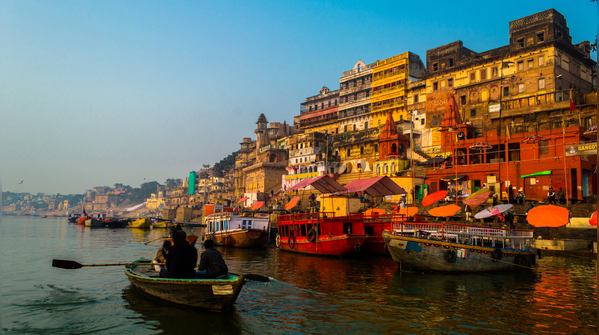
In India, there are places where ancient kingdoms, sacred rituals, crowded bazaars and modern traffic still exist on the same streets that people walked thousands of years ago. These are not abandoned ruins or archaeological memories frozen in time. They are living cities, loud, layered and constantly moving, where temples still ring with prayers, markets still overflow, and rivers still shape everyday life just as they did centuries ago.
Here are five such cities that have remained continuously inhabited for centuries, where the past never fully left.
Image Credit: Canva
Varanasi, Uttar Pradesh
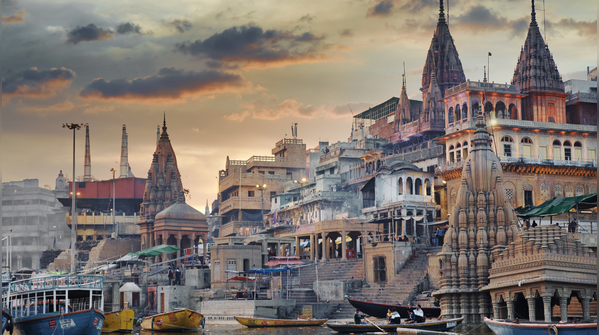
Hugging a crescent-shaped bend of the river Ganga, Varanasi easily claims the title of one of the oldest continually lived-in cities on earth. Whether you call it Kashi, Banaras, or Varanasi, this place has been the heartbeat of trade, religion, and learning for well over 3,000 years.
To Hindus, this is Shiva’s territory. It’s a place where death and liberation (moksha) go hand in hand. You don't have to look hard to see its age, it's right there in the stone ghats, the winding, maze-like alleys, and the clanging temple bells.
You can catch a sunrise boat ride to watch pilgrims, priests, and wrestlers start their day on the riverbanks, visit the Kashi Vishwanath Temple, and watch the Ganga aarti at Dashashwamedh Ghat.
Image Credit: Canva
Madurai, Tamil Nadu
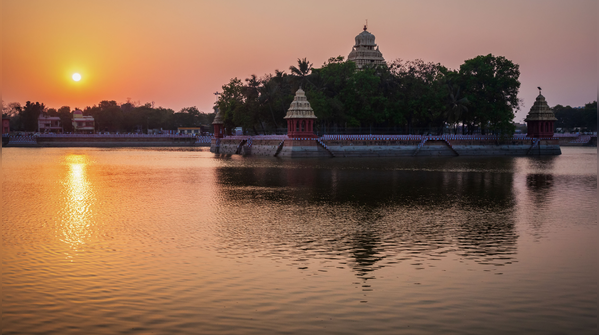
As one of South India’s oldest surviving cities, Madurai has a history spanning over two millennia. Back in the day, it was the booming capital of the Pandya kings. Ancient Sangam texts highlight its status as a hub for poetry and trade way before most modern cities were even a thought.
Everything revolves around the Meenakshi Amman Temple. Its massive gopurams (towers) totally define the skyline. The temple is the literal center of local life, packed with daily prayers, rituals, and colorful processions.
After wandering through the temple's carved halls, check out the grand Thirumalai Nayakkar Palace. And definitely don't leave without trying a glass of local jigarthanda in the old market.
Image Credit: Canva
Ujjain, Madhya Pradesh
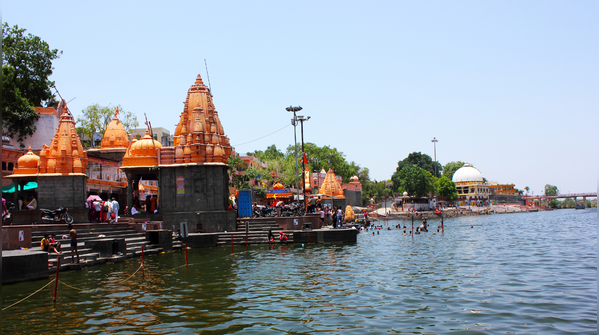
Resting along the banks of the Shipra River, Ujjain is an ancient sacred city and the former capital of the Avanti kingdom. Known historically as Ujjayini, it wasn't just about religion. This was a massive center for classical learning and astronomy. In fact, ancient scholars used Ujjain as their prime reference point for mapping out time and geography, giving the city a massive reputation across the ancient world.
Today, the huge draw is the Mahakaleshwar Jyotirlinga, one of the most revered Shiva temples in the country. Pilgrims flock here for the intense, pre-dawn bhasma aarti, keeping centuries-old rituals totally alive.
But Ujjain has a distinct vibe off the tourist trail, too. Walking the Shipra ghats at dusk or wandering past old temple stalls smelling of incense makes the whole place feel beautifully unstuck in time.
Image Credit: Canva
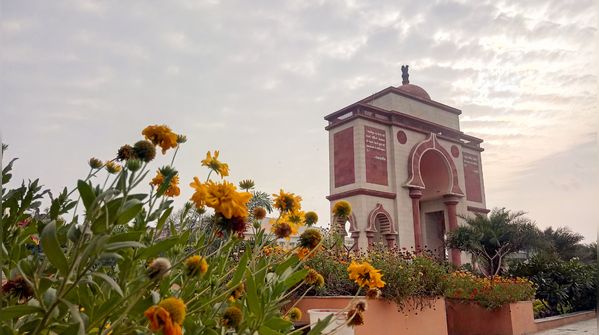
Patna, Bihar
You don't usually see modern Patna on lists of romantic historic escapes. But right beneath its chaotic streets sits Pataliputra, one of ancient India's absolute greatest capitals.
This was the command center for the Mauryan and Gupta empires. Heavyweights like Ashoka and Chandragupta Maurya ruled massive chunks of the subcontinent from right here. You can still see traces of it at the Kumhrar archaeological site, including the remains of what experts believe to be Ashoka's legendary 80-pillared hall.
You can check out Kumhrar and the world-class Bihar Museum, then use the city as your gateway to nearby historical heavy-hitters like Rajgir and Nalanda.
Image Credit: Canva
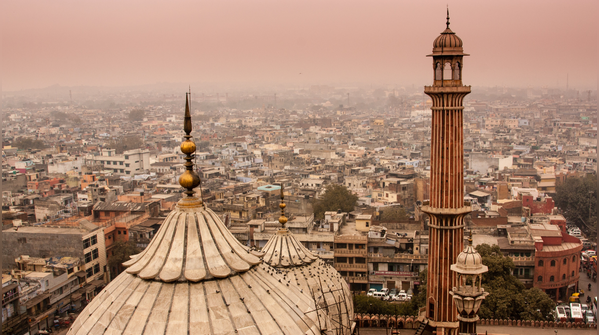
Delhi
Honestly, no Indian city pulls off "historical continuity" quite like Delhi, mostly because Delhi isn't just one city. It's a bunch of them stacked on top of each other.
Countless versions of Delhi have risen and faded right here. You've got the mythical Indraprastha from the Mahabharata, the fortress towns of the Delhi Sultanate, the Mughal grandeur of Shahjahanabad, and finally, the wide, sweeping avenues of British New Delhi. Dig around Purana Qila, and you'll find signs that people have lived here continuously since roughly 1200 BCE.
There isn’t just one place to understand Delhi, go through the lanes of Old Delhi's Chandni Chowk, drive past the strict colonial geometry of India Gate, wander the ancient medieval ruins scattered across Mehrauli.
Delhi’s magic lies in how naturally these centuries crash into one another. It never feels preserved. It feels deeply, aggressively inhabited.
Image Credit: Canva
Featured In lifestyle

