
- News
- Real Estate News
- 12 must-follow emergency rules for modern apartments and gated real estate communities
12 must-follow emergency rules for modern apartments and gated real estate communities

12 must-follow emergency rules for modern apartments and gated real estate communities
Modern apartments and gated communities ensure residents’ safety, convenience and comfort. But no matter how well-designed a housing estate might be, no residential development is completely immune to emergencies such as fire outbreaks, earthquakes, gas leaks, electrical failures, medical emergencies, and adverse weather conditions. Knowing what to do can make a huge difference when an emergency occurs. Here are some essential emergency rules everyone should know:

Know your emergency exit routes
Every resident should familiarise themselves with the nearest emergency exits, staircases, and evacuation routes within the building. During an emergency, confusion can waste valuable time. Knowing multiple escape routes helps residents evacuate quickly and safely, especially if one route becomes blocked.
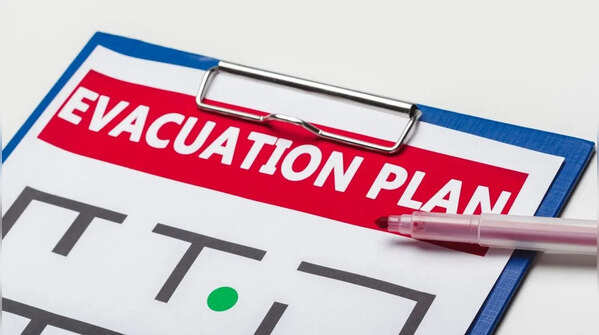
Learn the community's evacuation plan
Every apartment complex should have a documented emergency evacuation plan. Residents should review these procedures regularly and know where assembly points are located. Awareness of community protocols helps prevent panic and improves coordination during emergencies.
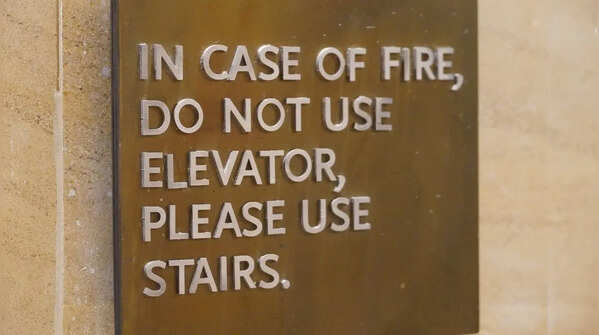
Never use elevators during a fire
In the event of a fire, elevators can become dangerous if power fails or smoke enters the lift shaft. Residents should always use designated fire exits and staircases when evacuating. Stairwells are specifically designed to provide a safer path during emergencies.
Keep corridors and exits unobstructed
Hallways, staircases, and emergency exits should remain free of furniture, bicycles, storage boxes, or decorative items. Clear pathways ensure smooth evacuation and allow emergency responders to access affected areas without delays.
Participate in emergency drills
Fire drills and evacuation exercises provide practical experience and help residents react more confidently during real emergencies. Regular drills also help identify weaknesses in community preparedness and improve overall response times.
Report faulty safety equipment immediately
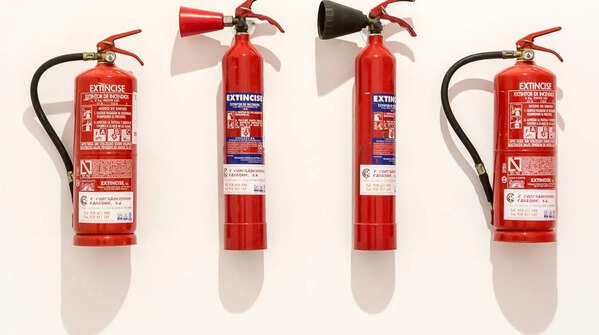
Damaged smoke detectors, emergency lights, fire extinguishers, or alarm systems should never be ignored. Prompt reporting allows maintenance teams to repair or replace faulty equipment before an actual emergency occurs.
Maintain an emergency contact list
Residents should keep important phone numbers readily available, including local emergency services, security personnel, maintenance teams, and nearby hospitals. Quick access to contact information can save precious minutes during critical situations.
Prepare a basic emergency kit
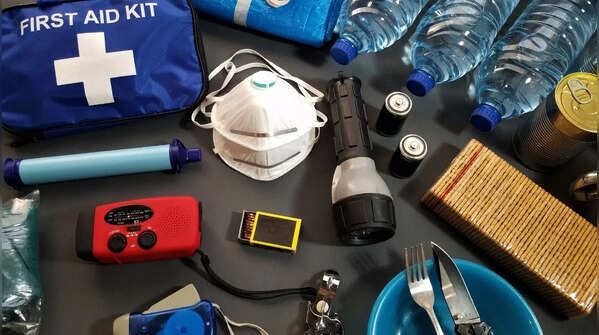
A well-stocked emergency kit should include drinking water, essential medications, flashlights, batteries, power banks, first-aid supplies, and important documents. Such kits can be invaluable during prolonged power outages or evacuation situations.
Stay calm and follow official instructions
Panic can worsen emergencies and lead to poor decision-making. Residents should remain calm, listen to official announcements, and follow instructions from security personnel, firefighters, or emergency responders.
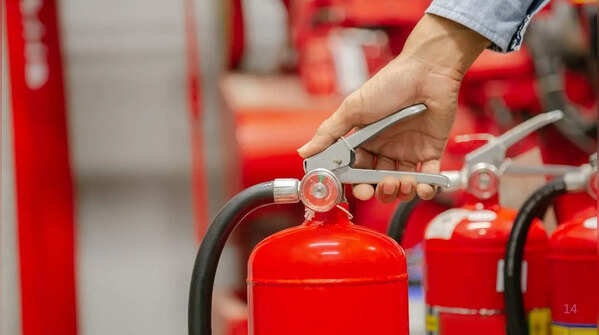
Understand fire safety features in your building
Residents should know the locations of fire extinguishers, alarm panels, sprinkler systems, refuge areas, and emergency staircases. Familiarity with these safety features allows for quicker and more effective action during emergencies.
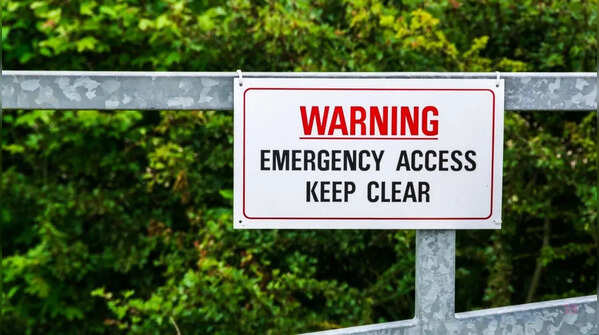
Keep emergency access areas clear
Driveways, fire lanes, and access roads must remain unobstructed at all times. Emergency vehicles rely on these routes to reach affected areas quickly. Illegal parking or blocked access points can delay life-saving assistance.
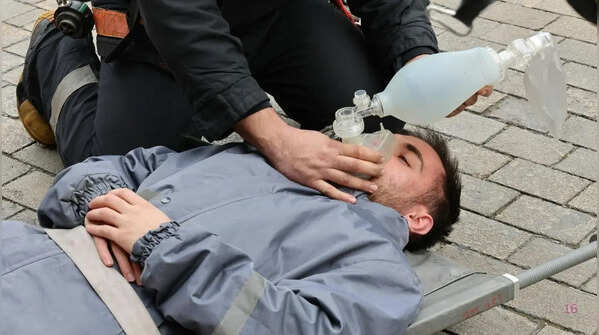
Support vulnerable residents during emergencies
Children, senior citizens, pregnant women, and residents with disabilities may require additional assistance during evacuations. Communities should establish support systems to ensure that vulnerable individuals receive help promptly and safely.
Preparedness for any form of emergency is a joint effort in the contemporary apartment complexes and gated communities. Although there are safety systems that provide great protection, it should be remembered that prepared residents remain the first line of defence during emergencies. Following these guidelines can significantly improve safety and reduce risks. A few minutes spent preparing today can make a significant difference when every second counts.
(All Image Credits: Canva)
Featured In Real Estate

