
- News
- etimes
- animals-pets
- The real reason: Why did Australia end up with 20 of the world's most deadly venomous snakes and how did this happen?
Trending
The real reason: Why did Australia end up with 20 of the world's most deadly venomous snakes and how did this happen?
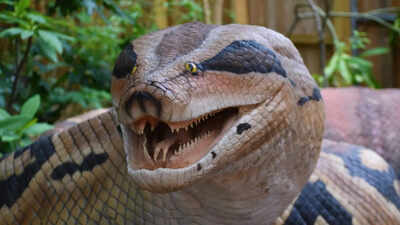
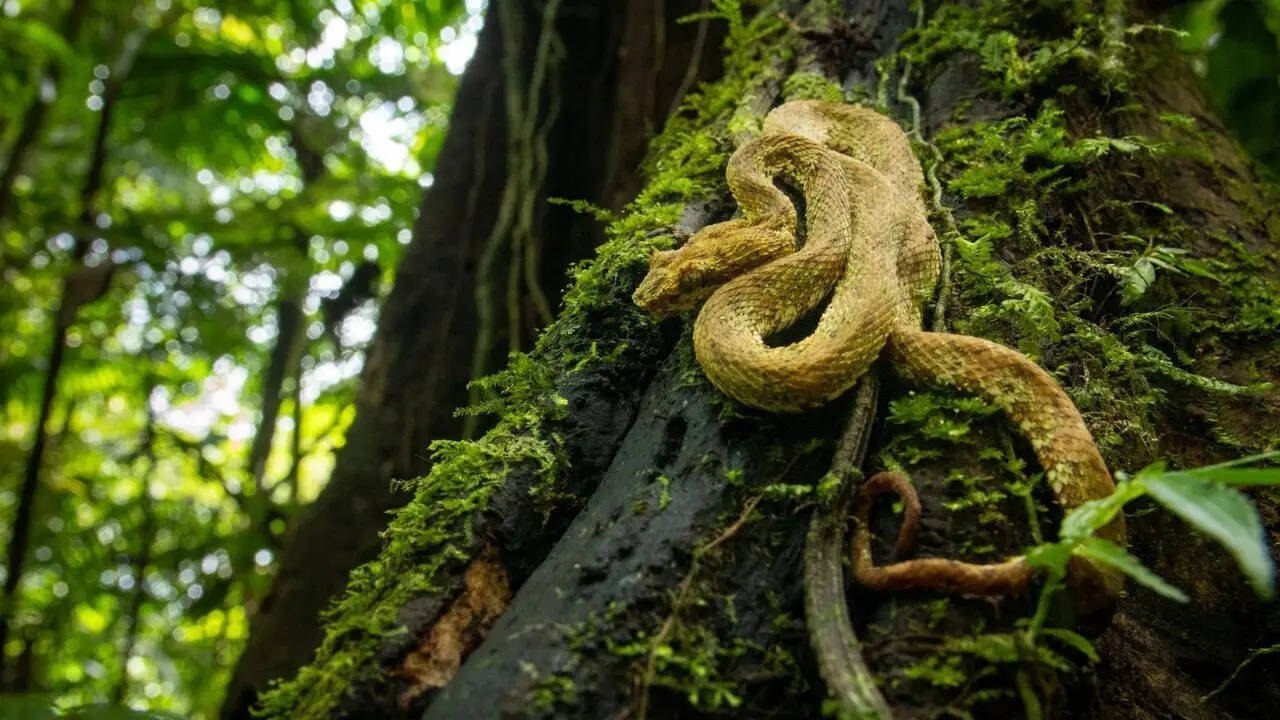
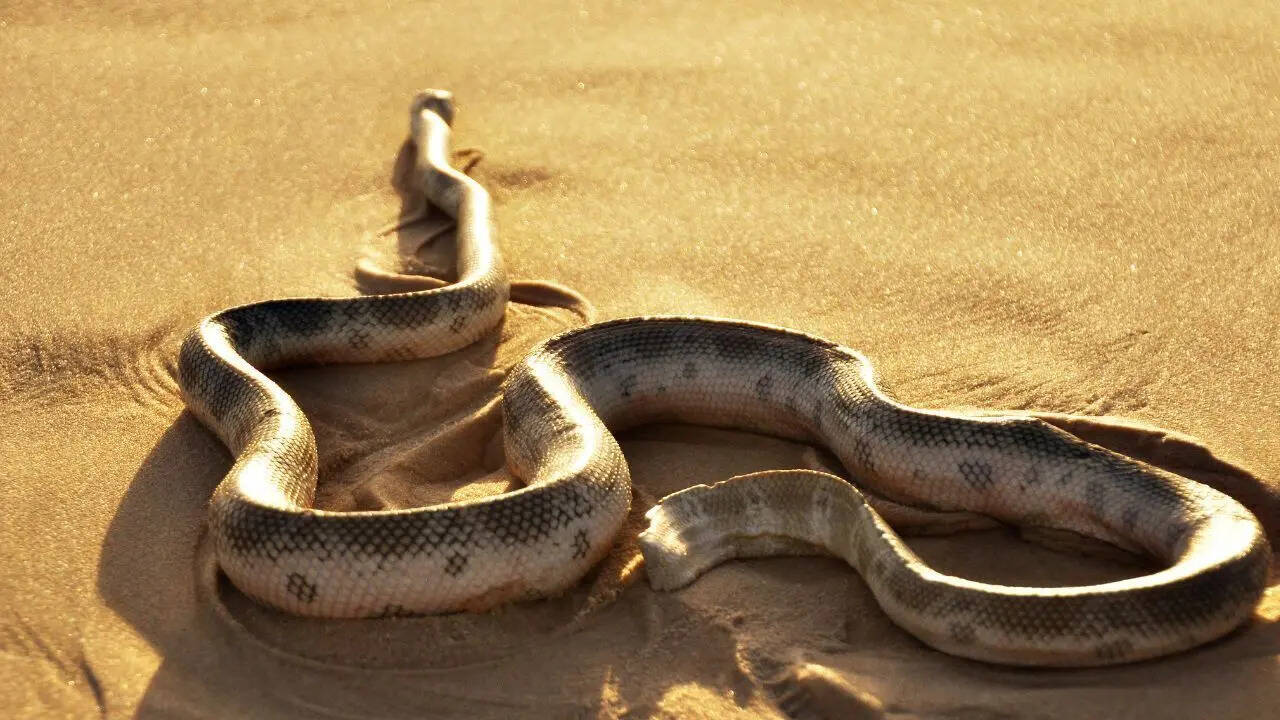
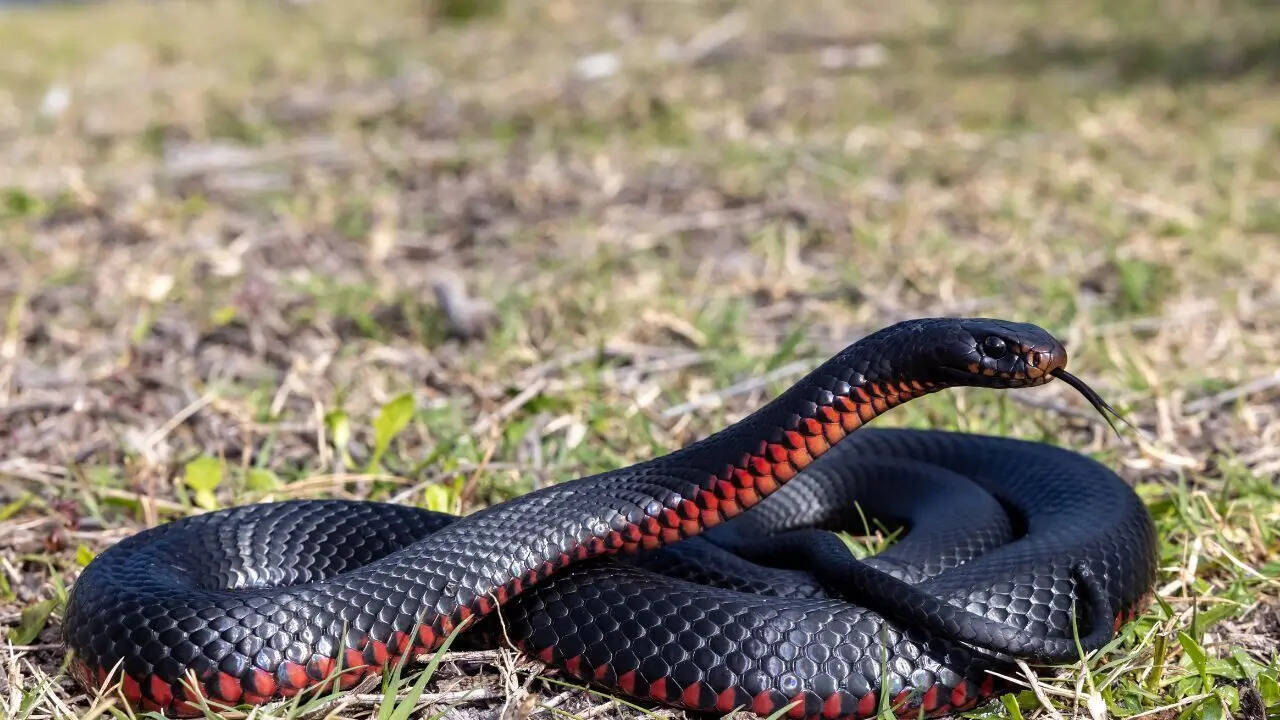
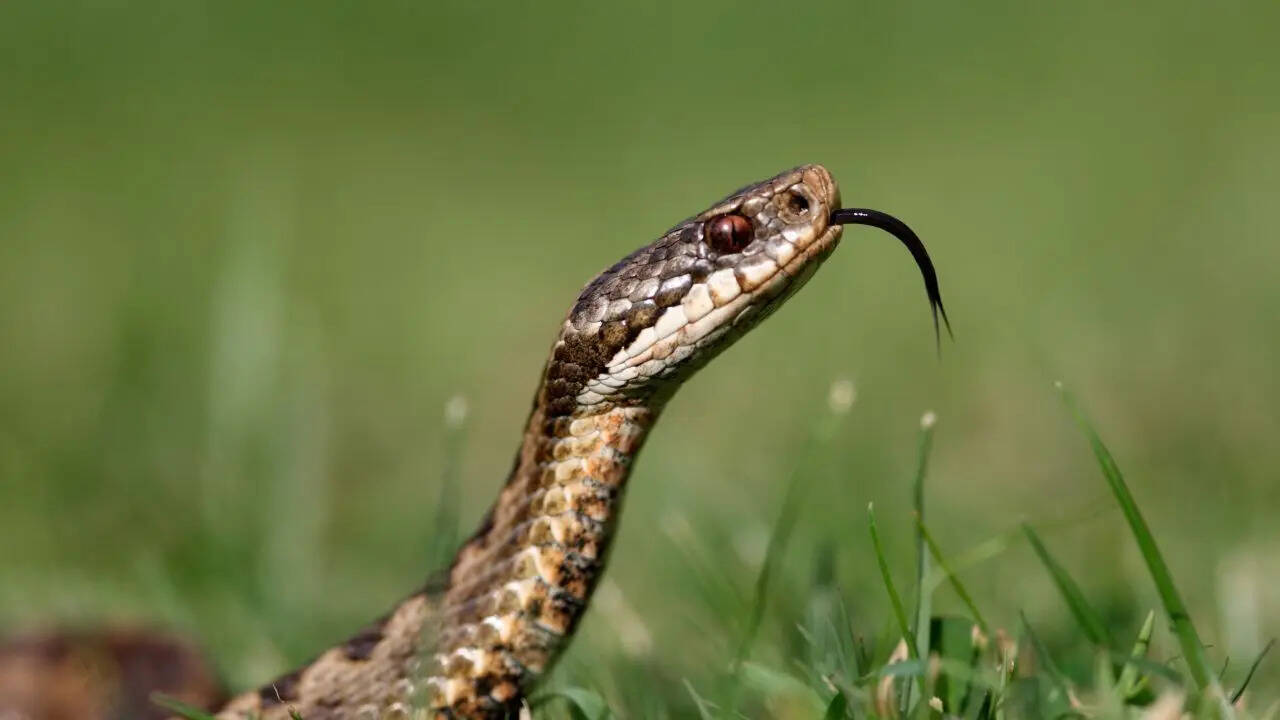

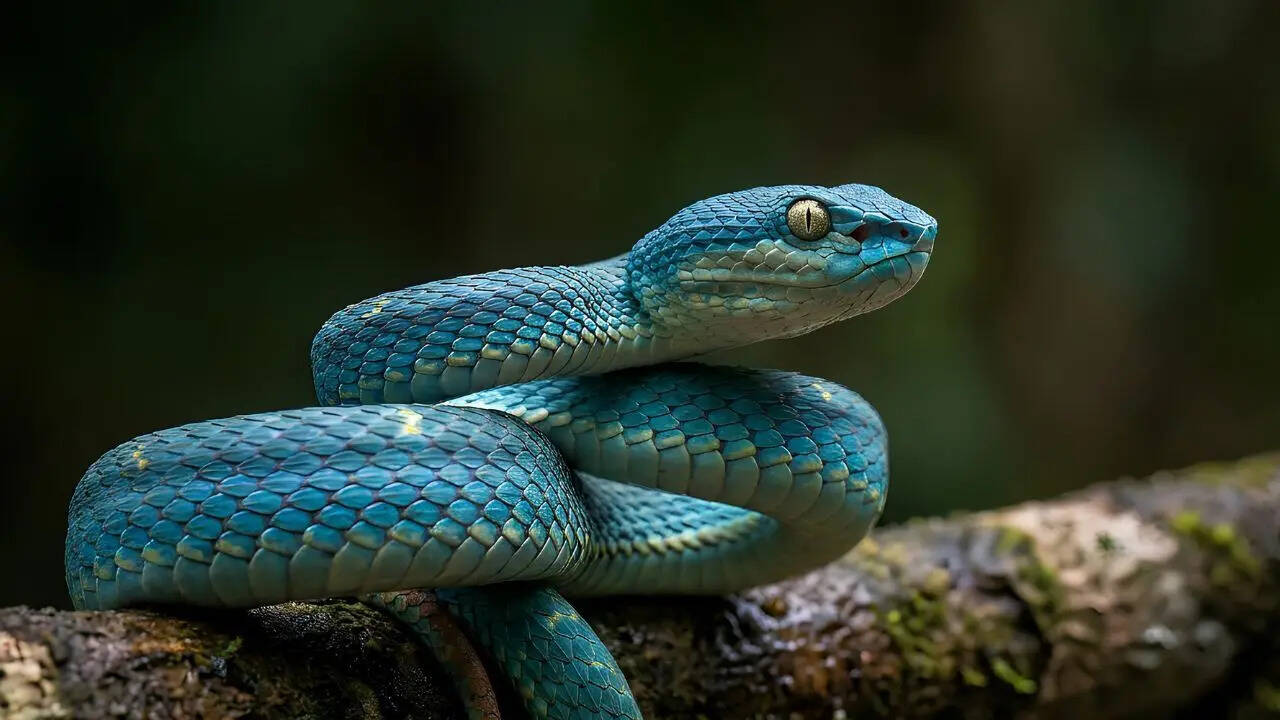
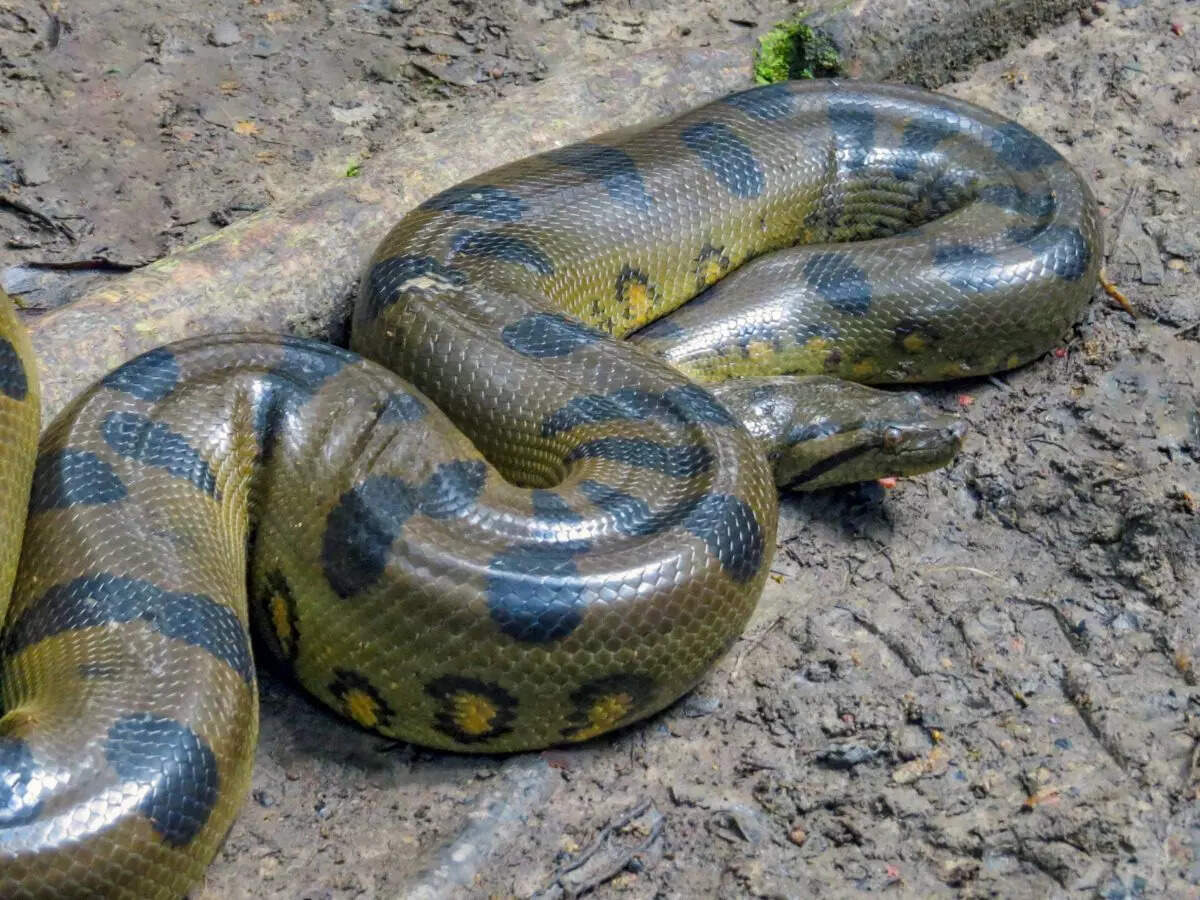
The largest snakes in the world, such as the reticulated python and the green anaconda, are not venomous. These snakes rely on their immense size and strength to subdue their prey. They are constrictors, meaning they wrap around their prey and squeeze until it suffocates. While their size can be intimidating, they do not possess venom to immobilize or kill their prey. Instead, their powerful muscles do the job. Venomous snakes, like cobras and vipers, tend to be smaller and use their venom to quickly incapacitate their prey. So, while the largest snakes are formidable, they are not venomous.Image: Canva
End of Article
Follow Us On Social Media

Hot Picks
Top Trending
Tired of too many ads?go ad free now
Trending Stories
In Section
Entire Website
- US-Iran War News Live Updates: Israeli strikes continue, 12 killed near Lebanon hospital
- RBI MPC Meeting 2026 Live Updates: Will RBI governor Sanjay Malhotra announce repo rate hike to keep inflation under check amid US-Iran war?
- 'I scored 57 in English, but top companies invite me': Ankur Warikoo's CBSE Class 12th marksheet resurfaces
- IIM Indore to study Vaibhav Suryavanshi: Is he the first to inspire academic research? Not quite
- A floating city: Inside $16 billion megaship that could house 80,000 people, complete with schools, restaurants and a 15,000-seat stadium
- Gold, Silver Rate Today Live Updates: Gold prices set for weekly fall as crude oil prices remain elevated, US-Iran conflict uncertainty continues
- Stock Market Live Updates Today: BSE Sensex, Nifty50 set for cautious start ahead of RBI monetary policy; global crude oil prices remain steady
- No handshake in French Open! Marta Kostyuk-Mirra Andreeva semi-final sparks controversy - Watch
- Who was Akanksha Chaturvedi? NEET aspirant's note found after suicide, says she feared re-exam
- India vs Afghanistan: From waking up at 11 am to breakfast at 8:30 am, how Indian cricketers are battling IPL fatigue
- US-Iran War News Live Updates: Israeli strikes continue, 12 killed near Lebanon hospital
- RBI MPC Meeting 2026 Live Updates: Will RBI governor Sanjay Malhotra announce repo rate hike to keep inflation under check amid US-Iran war?
- 'I scored 57 in English, but top companies invite me': Ankur Warikoo's CBSE Class 12th marksheet resurfaces
- IIM Indore to study Vaibhav Suryavanshi: Is he the first to inspire academic research? Not quite
- A floating city: Inside $16 billion megaship that could house 80,000 people, complete with schools, restaurants and a 15,000-seat stadium
- Gold, Silver Rate Today Live Updates: Gold prices set for weekly fall as crude oil prices remain elevated, US-Iran conflict uncertainty continues
- Stock Market Live Updates Today: BSE Sensex, Nifty50 set for cautious start ahead of RBI monetary policy; global crude oil prices remain steady
- No handshake in French Open! Marta Kostyuk-Mirra Andreeva semi-final sparks controversy - Watch
- Who was Akanksha Chaturvedi? NEET aspirant's note found after suicide, says she feared re-exam
- India vs Afghanistan: From waking up at 11 am to breakfast at 8:30 am, how Indian cricketers are battling IPL fatigue
Tired of too many ads?go ad free now




Hot on the Web
Spanish ProverbDhurandhar 2 OTTSaif Ali KhanShah Rukh KhanRam CharanPoonam DhillonGreen AnacondaFriday OTT releasesBaby NamesHai Jawani Toh Ishq Hona Hai ReviewShilpa ShindeArchana Puran SinghRupi KaurNushrratt BharucchaKheera VS KakdiZhang YimingKJR RajeshJaafar JacksonCat BreedsSouth Delhi Restaurant TragedyJennifer LopezDeepika PadukoneWorld Environment Day 2026Drishyam 3 Box Office CollectionKaruppu Box Office CollectionDhurandhar 2 Box Office CollectionChand Mera Dil Box Office CollectionRERA FAQsJewar Airport ProjectsHoroscope TodayDelhi Malviya Nagar Fire4th Squadron S-400India Sudarshan ChakraFirstcry CompensationIAF France Jet DealHuman Evolving On Tibetan PlateauLargest Islands In The WorldJellyfish That Never DiesGoogle Release MosquitoesDelivery Firm Refund DeniedNyt ConnectionsCaptions For Instagram Posts
Trending Topics
Latest MoviesBollywood MoviesHollywood MoviesTamil Movies 2026Telugu Movies 2026Malayalam Movies 2026Kannada MoviesMarathi MoviesBengali Movies 2026Top Rated Movies 2026Best Hindi MoviesBest English MoviesBest Telugu MoviesBest Tamil MoviesBest Malayalam MoviesBest Kannada MoviesBest Bengali MoviesUpcoming Hindi MoviesBest Movies Of All TimeBest Hindi Movies of All TimeLatest English MoviesLatest Malayalam MoviesEnglish TV NewsTamil TV NewsTelugu TV NewsMalayalam TV NewsKannada TV NewsMovie ReviewsBhojpuri Cinema NewsGujarati Cinema News
Popular Categories
Viral NewsK Pop NewsWeb Series NewsAnime NewsUpcoming English MoviesUpcoming Tamil MoviesUpcoming Telugu MoviesUpcoming Malayalam MoviesUpcoming Kannada MoviesFashion TipsTravel NewsEntertainment NewsBollywood NewsTollywood NewsKollywood NewsMollywood NewsFood NewsLatest Hindi MoviesLatest Tamil MoviesParenting TipsHome RemediesWeight LossBeauty TipsParenting TipsHindi VideosHindi Video SongsBhojpuri Music VideosLatest Telugu MoviesBhojpuri Music VideoHindi TV News
Latest News
Hazaribag man drowns while fishing in lake"Behen Darr Gayi!": Fans relive ‘Bhagam Bhag’ era after watching Akshay Kumar's 'Bhooth Bangla' trailerMBOSE HSLC result 2026 to release tomorrow: Check details hereIran war risk: JPMorgan CEO Jamie Dimon warns of oil shocks, sticky inflation and higher interest ratesMake your clutch last longer with these easy driving tips“Three-against-one situation”: El Rubius opens up on being “targeted” in MrBeast’s viral $1M challengeBihar BTSC lab assistant notification released for 1091 posts at btsc.bihar.gov.in; apply hereIPL craze costs techie Rs 1.46 lakh in fake RCB vs CSK ticket scamRaising “robot-proof” kids: Why creativity and curiosity matter more than everInside ‘Satguru Sharan’: Exploring Saif Ali Khan and Kareena Kapoor Khan’s Rs 100 crore Bandra homeHow selling Alaska in 1867 was a costly mistake for Russia'Hera Pheri 3 is coming': Paresh Rawal dismisses delay reports and reveals he will 'start shooting soon'US-Iran War: A daring rescue Hollywood blockbuster is on its way. Till then, pick your favourite from these 10 films on bringing someone home against all oddsKolkata team unveils fan mural at Rash Behari Avenue, celebrating city’s first loveHow US spread a lie to rescue a pilot of a jet shot down in IranNetflix unveils ‘VOID’, an AI model that can change a movie plotAI data centers are causing 'stress' not just to tech companies, but also private insurers"Trans women are.....": Clavicular’s viral moment with trans women sparks fresh conversation on internet culture
Copyright © 2026 Bennett, Coleman & Co. Ltd. All rights reserved. For reprint rights: Times Syndication Service