
- News
- World News
- US News
- 2,800-year-old arrowhead made from meteorite iron hints at ancient trade networks
Trending
2,800-year-old arrowhead made from meteorite iron hints at ancient trade networks
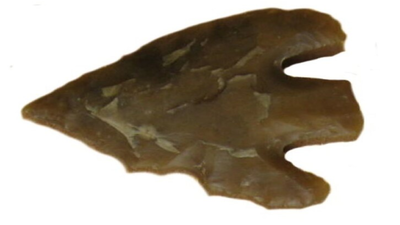
A Bronze Age barbed and tanged arrowhead| Image Credit: Wikimedia Commons
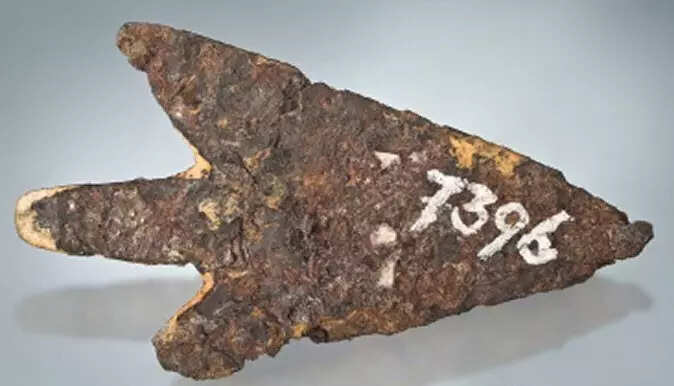
Image of a Bronze Age arrowhead with an unknown 'Alien metal' composition| Image Credit: ILN

About the AuthorTOI World Desk
End of Article
Follow Us On Social Media

Hot Picks
Top Trending
Tired of too many ads?go ad free now
Trending Stories
In World
Entire Website
- Five Eyes issues 'unprecedented' warning over China's aggresive spying campaign
- Sri Lanka nursing home fire kills 12, owner arrested over negligence claims
- A floating city: Inside $16 billion megaship that could house 80,000 people, complete with schools, restaurants and a 15,000-seat stadium
- Missing nuclear scientist found dead after a year, skeletonized body with gunshot wound discovered in New Mexico forest
- Vickrum Digwa, father and brother appear in court over weapons charges day after murder sentence
- Quote of the day by Amal Clooney: “We need young people with the courage to say...”
- Labour MP Jess Asato sues Elon Musk's xAI over deepfake bikini images in landmark UK AI lawsuit
- Hampshire police chief apologises over dying teen Henry Nowak’s arrest after Sikh man misled officers
- ‘My childhood was taken away’: UK grooming gang survivor recalls abuse as 15 men jailed for 188 years
- Inside Onkalo: The world’s first nuclear waste vault built for 100,000 years of isolation
- US-Israel-Iran War News Live Updates: US says it 'downed multiple drones' launched by Iran targeting American forces in Kuwait
- Delhi-NCR weather update: Rain brings relief, IMD issues 'red' alert for thunderstorms and hail
- Lalit Modi New Allegations: ex-IPL chief revives Kochi Tuskers row; alleges UPA, BCCI pressure
- Rajesh Exports share price today: Stock tanks 5% to hit lower circuit as SEBI bans CMD for financial irregularities
- He came. He saw, but didn't stop: Malviya Nagar hotel owner 'drove past' burning building instead of stopping to help
- ‘Everything works in Delhi’: Hotel owner Lavkesh Bajaj blames ‘other person’ in Malviya Nagar fire probe
- CBSE thwarts 3.8 million-packet cyberattack as re-evaluation portal crosses 56,000 applications
- 28L women get Rs 3,000 each under Bengal's Annapurna Yojana on day 1
- US visa holder denied entry at Los Angeles airport after previous visit, held in CBP custody
- Techie living in $35 million mansion arrested for supplying sensitive US equipment to Iran
Tired of too many ads?go ad free now



Explore Every Corner
Across The Globe
Dianna Russini and Mike Vrabel ScandalDelhi Malviya Nagar Hotel FireUS Iran WarLalit ModiMaria sharapovaTaylor SwiftAlastair CookDK Shivakumar Announces Free Bus PassesJalen Brunson InjuryFortnite Chapter 7 Season 3Malviya Nagar Restaurant OwnerKrunal PandyaKCET Result 2026Bihar Hospital FirePrayagraj MurderAnnapurna YojanaCapital Gains TaxCBSE Re-EvaluationNEET LeakCapital gains taxVirat kohliAryna Sabalenka and Georgios Combined Net WorthVaibhav SooryavanshiKerala MonsoonRahul GandhiDelhi Restaurant FireKerala MonsoonENG vs NZ Live ScoreMalviya Nagar Restaurant FireRajesh Exports

Hot on the Web
Aamir KhanPahlaj Nihalani Death NewsShah Rukh KhanPeddi ReviewKJR RajeshKangana RanautHeart HealthGaurav GeraAhaan PandayBigg Boss Kannada 13Shilpa ShindeArchana Puran SinghKedarnath DhamKushboo SundarKheera VS KakdiDalchini Water BenefitsPeddi ReviewProtein Powder RiskBarack Obama QuoteSouth Delhi Restaurant TragedyPeabo Bryson Death NewsDeepika PadukoneUpasana KamineniDrishyam 3 Box Office CollectionKaruppu Box Office CollectionDhurandhar 2 Box Office CollectionChand Mera Dil Box Office CollectionYashAjay DevgnHoroscope TodayDelhi Malviya Nagar Fire4th Squadron S-400India Sudarshan ChakraFirstcry CompensationIAF France Jet DealHuman Evolving On Tibetan PlateauLargest Islands In The WorldJellyfish That Never DiesGoogle Release MosquitoesDelivery Firm Refund DeniedNyt ConnectionsCaptions For Instagram Posts
Trending Topics
Muzaffarpur Hospital FireKrunal PandyaKashi Railway StationDelhi Malviya Nagar Hotel FireFirhad HakimOmar AbdullahAbhishek BanerjeeHyderabad Bazaar FireAnnamalaiFirhad HakimPat CumminsFIFA World Cup 2026Suryakumar YadavAndrew TateNick CastellanosNedumangad MurderNFL Trade RumorTaylor SwiftUttarkashi Babita Pandey CaseKuwait airport drone attackIran WarDonald TrumpLos Angeles airport detentionJamshid GhomiPakistan Rape CaseIsrael Lebanon ceasefireOhio Car CrashFairfield High School ShootingSri Lanka Nursing Home FireMalviya Nagar Hotel FireBritish Lawmaker Sues Elon MuskGoogle Acknowledges Data CentersMustafa SuleymanNASA New WebsiteBill StaplesApple Nvidia ChipUltrahuman Data BreachHack Of The DayGarena Free Fire MAX Redeem CodesPeroxide CodesGenshin Impact Codes
Popular Categories
HeadlinesSports NewsBusiness NewsIndia NewsWorld NewsInternational SportsHealthBreaking NewsTravelAstrologyDeorhiTOI Young LeadersTOI Home Decor AwardsPower Creator Awards 2026TOI Ecopreneur Awards 2026Gold Rate TodayWeather TodaySilver Price TodayDelhi Weather TodayPetrol Price TodayDiesel Price TodayCNG Price TodayLPG Price TodayPetrol Price MumbaiDelhi AQIIs Bank Open TodayMumbai AQI TodayIs Bank Open TomorrowPublic Holidays in JuneBank Holidays in June
Trending Videos
Trump’s Economic War on Iran & India? New Tariffs SPARK Global Shock! | OPEN COLLAR Ep 25UNEXPECTED! Trump Sides With Iran Against Gulf Ally? U.S Leader's Shocker On Kuwait Attack'Until The Elimination Of Zionist Regime': Iran Reveals Two Military Targets In Mideast | WATCHLalit Modi confirms Ranveer Singh expressed his desire to play his role in biopicRam Gopal Varma owes Rs 1.25 crore over Officer, claims FWICE amid Ranveer Singh row nowGermany Defeated At UNSC After 55 Years; Berlin Out Of Security Council Over 'Israel Support'Pune IT Firm Abruptly Closes Operations, Over 700 Employees And Interns Left JoblessLeo,Your Years of Hard Work May Finally Pay Off After June 2! Jupiter's Rewards | Ft. Prakash JoshiCongress Tells Cadre To Ignore CJP, Stay Focused On NEET-CBSE AgitationWhat If Your Soul Never Forgot Its Past Life?The Mystery of Reincarnation Explained | Ft.N.K. SharmaRyan ten Doeschate press conference: Big update on Virat Kohli, Mohammed Siraj, India XI and moreBrett Goldstein And JLo Address Romance Buzz Head-OnRussia's Yasen-M Submarine Launches Missile Near NATO As Fears Grow Over Its Hypersonic Strike PowerInside Toyota’s Training Program for Future Automotive ProfessionalsHero MotoCorp Launches Splendor+ Flex Fuel and HF Deluxe Flex Fuel in IndiaGautam Gambhir Visits Gurudwara Shri Nada Sahib in PanchkulaManoj Bajpayee, Chinmay Mandlekar on Casting and Social Media TrendsDevotees Witness Sacred Bhasma Aarti at Mahakaleshwar Temple
Latest News
Hazaribag man drowns while fishing in lake"Behen Darr Gayi!": Fans relive ‘Bhagam Bhag’ era after watching Akshay Kumar's 'Bhooth Bangla' trailerMBOSE HSLC result 2026 to release tomorrow: Check details hereIran war risk: JPMorgan CEO Jamie Dimon warns of oil shocks, sticky inflation and higher interest ratesMake your clutch last longer with these easy driving tips“Three-against-one situation”: El Rubius opens up on being “targeted” in MrBeast’s viral $1M challengeBihar BTSC lab assistant notification released for 1091 posts at btsc.bihar.gov.in; apply hereIPL craze costs techie Rs 1.46 lakh in fake RCB vs CSK ticket scamRaising “robot-proof” kids: Why creativity and curiosity matter more than everInside ‘Satguru Sharan’: Exploring Saif Ali Khan and Kareena Kapoor Khan’s Rs 100 crore Bandra homeHow selling Alaska in 1867 was a costly mistake for Russia'Hera Pheri 3 is coming': Paresh Rawal dismisses delay reports and reveals he will 'start shooting soon'US-Iran War: A daring rescue Hollywood blockbuster is on its way. Till then, pick your favourite from these 10 films on bringing someone home against all oddsKolkata team unveils fan mural at Rash Behari Avenue, celebrating city’s first loveHow US spread a lie to rescue a pilot of a jet shot down in IranNetflix unveils ‘VOID’, an AI model that can change a movie plotAI data centers are causing 'stress' not just to tech companies, but also private insurers"Trans women are.....": Clavicular’s viral moment with trans women sparks fresh conversation on internet culture
Copyright © 2026 Bennett, Coleman & Co. Ltd. All rights reserved. For reprint rights: Times Syndication Service