Ahmedabad in Gujarat to get a new oxygen park featuring 75,000 trees
Ahmedabad in Gujarat to get a new oxygen park featuring 75,000 trees
You're Reading


Synopsis
Ahmedabad in Gujarat will soon get a new oxygen park with 75,000 trees, aiming to improve air quality and provide green spaces. Other cities like Surat and Vadodara are also implementing similar projects to create urban forests an … Read more
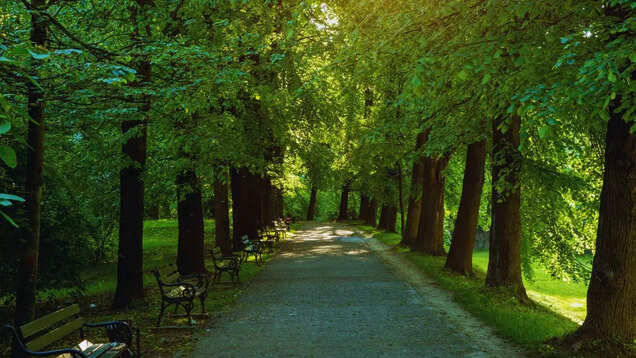
Union Home Minister Amit Shah recently inaugurated an Oxygen Park at Sindhu Bhavan in Ahmedabad. The park project is being created in other cities like Surat, Vadodara, Rajkot, Bhavnagar, Jamnagar, and Junagadh too now. The prime aim of these parks is to create-jungle like environment such as urban forests, which help cities breathe better. The parks will also offer walking trails, yoga zones and birdwatching regions, among others.


On this note, let’s have a look at prime features of the park:

10 most affordable Asian countries with estimated daily budgets
Greenery: The oxygen parks will have thousands of trees and plants that will produce high levels of oxygen.
Recreational regions: Recreational regions such as walking paths, yoga spaces, and spots will be created for birdwatchers making them ideal for leisure and wellness.
Environmental benefits: The parks will also help reduce pollution, cool urban areas, and support biodiversity.
Tragad, the new address: The new oxygen park in Ahmedabad is being developed in Tragad and it will be home to over 75,000 trees and plants over 24,000 sq m.
Read more: Spotting wildlife on foot: Trekking through India’s best national parks
As of now, Ahmedabad features several oxygen parks. The one at Sindhu Bhavan park is spread across 27,000 sq m with 1.67 lakh plants and trees. Another one is in Science City, Hebatpur, with more than 12,000 trees and shrubs spread across 4,000 sq m.
Read more: Exploring South India’s 7 UNESCO Heritage Sites: The must-visit timeless wonders
The initiative is not government driven but local communities and social organisations are helping to create such space. With such an amazing initiative, we can only wish for a healthier and greener future as these parks will not only reduce pollution but also provide beautiful spaces for people to breathe.

closecomments

Be the first one to review.
We have sent you a verification email. To verify, just follow the link in the message
end of article

Visual Stories
10 pretty Indian villages to visit this year-end

8 castles in Germany straight out of a fairy-tale

8 tiger reserves every wildlife enthusiast should visit in India

10 animals that are easily spotted in Ranthambore National Park

How to prepare for a night safari in India?

9 rare animals to spot in the Western Ghats and where to find them



Trending Stories
“Koi mat aana yaha pe”...Kedarnath Dham pilgrim shares her harrowing experience of visiting Kedarnath Dham
“They told me not to come to Bihar”: American traveller busts myths as his Darbhanga journey wins hearts online
Which country is the 'Land of the Rising Sun' and what you need to know before visiting there
Last chance to spot tigers: These Indian national parks are closing for the monsoon season in June
Why this remote Japanese island keeps going viral–meet the island’s most unusual residents




Comments (0)