Peranakan Museum
Peranakan Museum
You're Reading


Synopsis
The word Peranakan actually means ‘locally born’ and is used to refer to descendants born from the intermarriage of Chinese and Indian traders with the local Malay community, resulting in a unique hybrid culture found mostly in Si … Read more
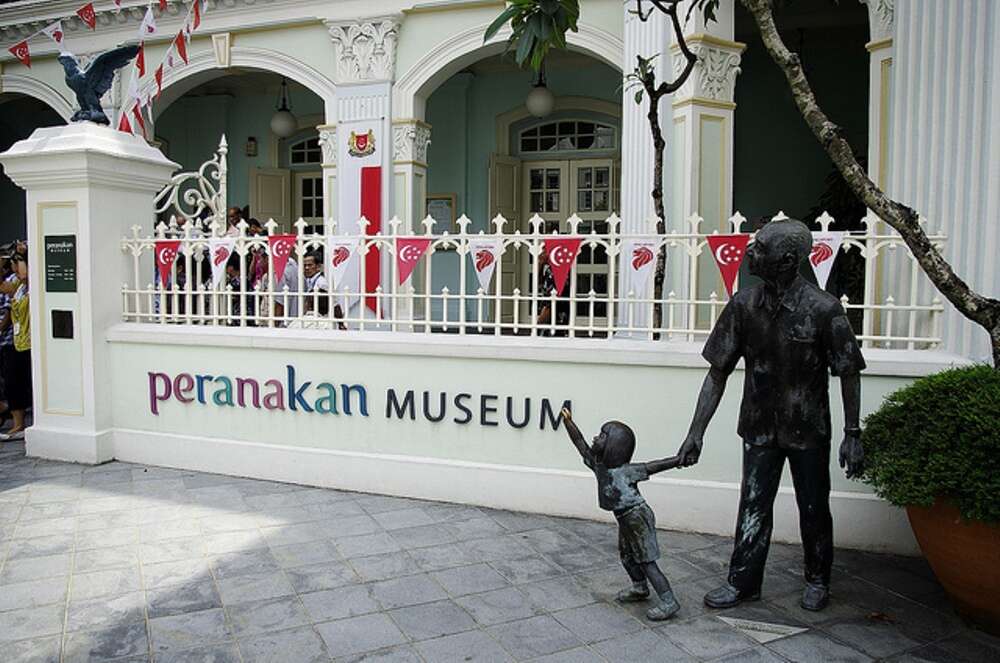
The word Peranakan actually means ‘locally born’ and is used to refer to descendants born from the intermarriage of Chinese and Indian traders with the local Malay community, resulting in a unique hybrid culture found mostly in Singapore and Malaysia. The Peranakan Museum is considered a part of the larger Asian Civilisations Museum, and focuses on presenting the culture and heritage of this unique mixed community. Located on Armenian Road and housed within the old Chinese School Tao Nan building dating back to 1912, the Peranakan museum is home to 10 galleries spread over three floors, with artefacts and exhibitions paying homage to the role Peranakans had to play in Singapore’s history. Even to this day, the community’s distinct visual culture is prevalent in modern Singapore society, where the kebaya (a traditional garment), kasot manek (hand-beaded sandals) and nyona kueh (a multi-coloured snack) are some of the most common examples of Peranakan tradition.

closecomments

Be the first one to review.
We have sent you a verification email. To verify, just follow the link in the message
end of article
Next story
National Museum of Singapore
Visual Stories

10 pretty Indian villages to visit this year-end

8 castles in Germany straight out of a fairy-tale

8 tiger reserves every wildlife enthusiast should visit in India

10 animals that are easily spotted in Ranthambore National Park
How to prepare for a night safari in India?

9 rare animals to spot in the Western Ghats and where to find them


Trending Stories
This is the only Jyotirlinga temple in Jharkhand and why it draws millions of pilgrims every year
From reversing waterfalls and doorless homes; Maharashtra’s most unique wonders every curious traveller should experience
Meet the cutest ‘toll collectors’ in the Himalayas and why Zanskar deserves a spot on every traveller’s bucket list
Indian towns where clouds float through the streets
“In logo ko sharam nahi aati kya”: Indian tourists’ dance on Vietnam’s famous ‘Hanoi Train Street’ sparks online backlash



Comments (0)