Liptov Village in Pribylina
Liptov Village in Pribylina
You're Reading


Synopsis
Liptov region of Slovakia is one of its oldest inhabited regions. They say there are evidences of this region being inhabited since 6th BCE that would make it contemporary of many ancient civilisations. A museum complex at Pribyli … Read more
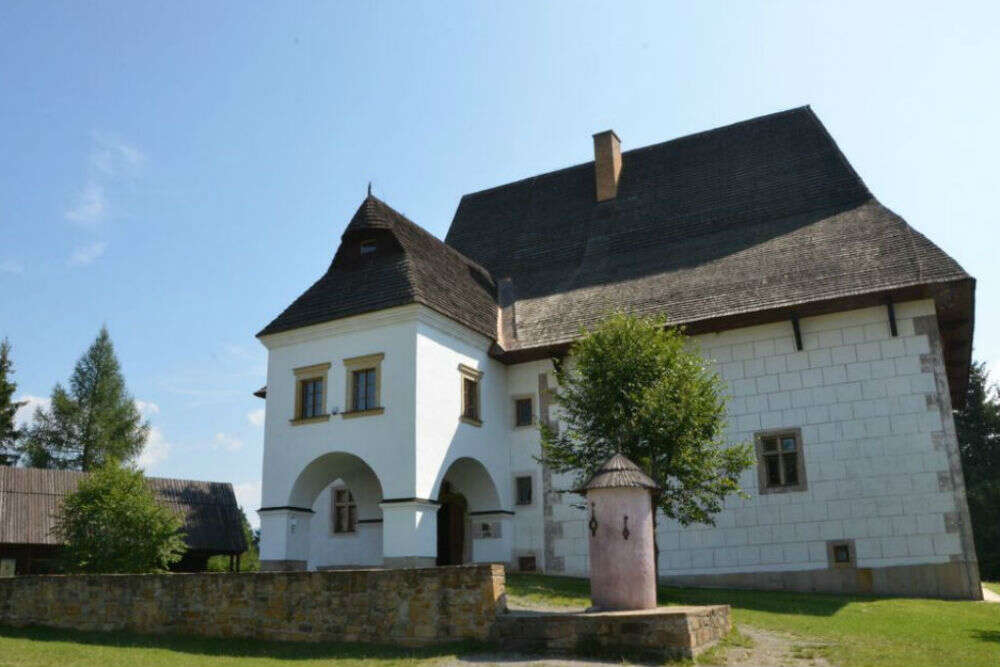
Liptov region of Slovakia is one of its oldest inhabited regions. They say there are evidences of this region being inhabited since 6th BCE that would make it contemporary of many ancient civilisations. A museum complex at Pribylina recreates the life of a village in Liptov region. It showcases the kind of stone buildings they had, the traditional professions they had, the kind of houses they lived in and the kind of environment they had. In a huge hall, we saw women doing traditional embroidery and making traditional Slovak dresses in a very unusual way that requires lot of patience and skill. The patterns were made on a pillow and the women skilfully moved the spindles with the threads around to create the patterns. In the houses what caught my attention were the huge utensils, somewhere indicating that families used to be big and lot of food was cooked. Most utensils and furniture are made in wood, indicating a tradition of woodcraft and of course there would have been lot of wood around to use. At home again, I noticed the sewing machines proudly displayed and that makes you think if this region was ever known for stitching clothes. The museum celebrates events like Lace making Sunday, Liptov Cooking, Beekeeper’s Sunday, Spring Festival, Scholl workshop, Shepherd Sunday along with various talks in an attempt to keep the tradition alive. It would be very interesting to participate in these events if you can dive through the language barrier.

closecomments

Be the first one to review.
We have sent you a verification email. To verify, just follow the link in the message
end of article
Next story
Horse ride to Slovak life
Visual Stories

10 pretty Indian villages to visit this year-end

8 castles in Germany straight out of a fairy-tale

8 tiger reserves every wildlife enthusiast should visit in India

10 animals that are easily spotted in Ranthambore National Park
How to prepare for a night safari in India?

9 rare animals to spot in the Western Ghats and where to find them


Trending Stories
“Koi mat aana yaha pe”...Kedarnath Dham pilgrim shares her harrowing experience of visiting Kedarnath Dham
“They told me not to come to Bihar”: American traveller busts myths as his Darbhanga journey wins hearts online
Which country is the 'Land of the Rising Sun' and what you need to know before visiting there
Last chance to spot tigers: These Indian national parks are closing for the monsoon season in June
Why this remote Japanese island keeps going viral–meet the island’s most unusual residents




Comments (0)