Water Clock of Villa Borghese
Water Clock of Villa Borghese
You're Reading


Synopsis
The Water clock of Villa Borghese is a unique creation, invented in 1867 by father Giovanni Battista Embriaco, a Dominican monk. The mechanism was originally exhibited at the Universal Exhibition in Paris in the same year.
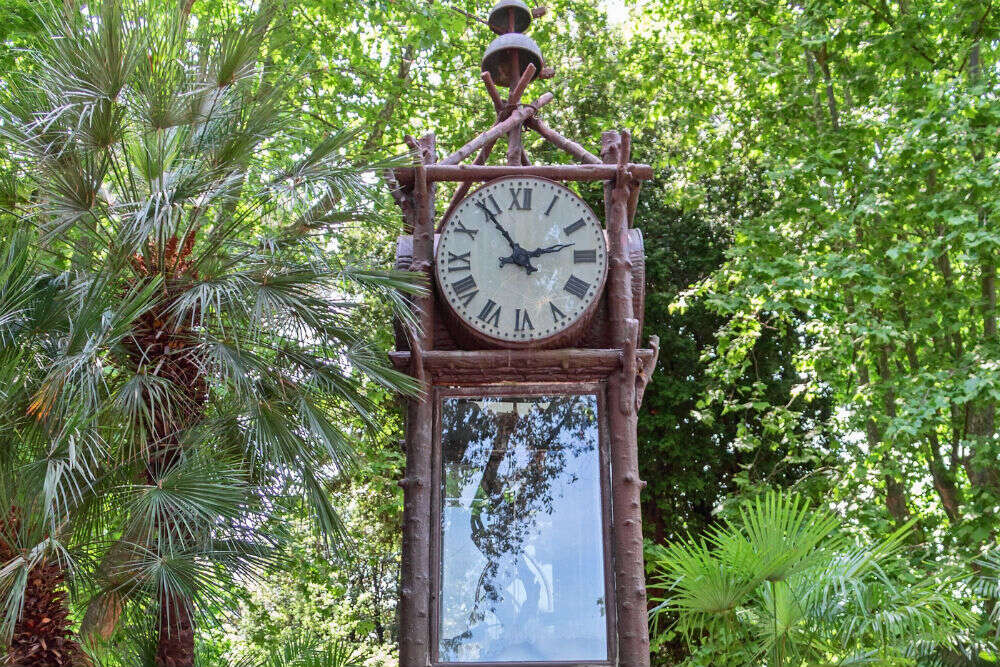 The Water clock of Villa Borghese is a unique creation, invented in 1867 by father Giovanni Battista Embriaco, a Dominican monk. The mechanism was originally exhibited at the Universal Exhibition in Paris in the same year.
Only later it would have been moved to its actual position in the Borghese Park, and in a new composition designed to house it. Gioacchino Ersoch was assigned this duty, and in 1873 he placed the clock mechanism invented by Mr. Embriaco inside a cast iron structure inspired by vegetal motifs, enclosed in glass. This small tower is located at the top of a rock in the middle of a water basin, and connected to land through a small bridge.


The clock has four faces visible at the four corners.The movement of the pendulum is activated by water, and there is also an alarm that starts buzzing once two containers are filled with water. It is quite a delicate work of art and mechanics that needed restoration in several phases since it was first constructed.
Once you are done with the view of the Water clock, you can explore further Villa Borghese that offers plenty of green space, museums and entertainment. And don’t forget to reach the Pincio Terrace to admire the view of Central Rome from the top - best at sunset

closecomments

Be the first one to review.
We have sent you a verification email. To verify, just follow the link in the message
end of article
Next story
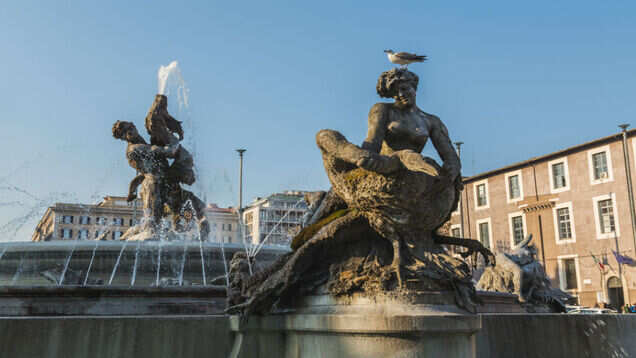
Fountain of the Naiads
Visual Stories
10 pretty Indian villages to visit this year-end

8 castles in Germany straight out of a fairy-tale

8 tiger reserves every wildlife enthusiast should visit in India

10 animals that are easily spotted in Ranthambore National Park

How to prepare for a night safari in India?

9 rare animals to spot in the Western Ghats and where to find them


Trending Stories
India's most significant hills, and why every traveller should visit them
Ravi Bridge reopens: After long months of disruption, Jammu Rail Services are back on track; here's what it means for travellers
“Koi mat aana yaha pe”...Kedarnath Dham pilgrim shares her harrowing experience of visiting Kedarnath Dham
“They told me not to come to Bihar”: American traveller busts myths as his Darbhanga journey wins hearts online
Which country is the 'Land of the Rising Sun' and what you need to know before visiting there



Comments (0)