Kanoor Kote
Kanoor Kote
You're Reading


Synopsis
Kanoor Kote referred to as Govardhanagiri Kote (Govardhanagiri being the hill range on which it is located) is a remote military fort in the heart of the Sharavathy Valley. After a long hike from Kanoor Village, having descended a … Read more
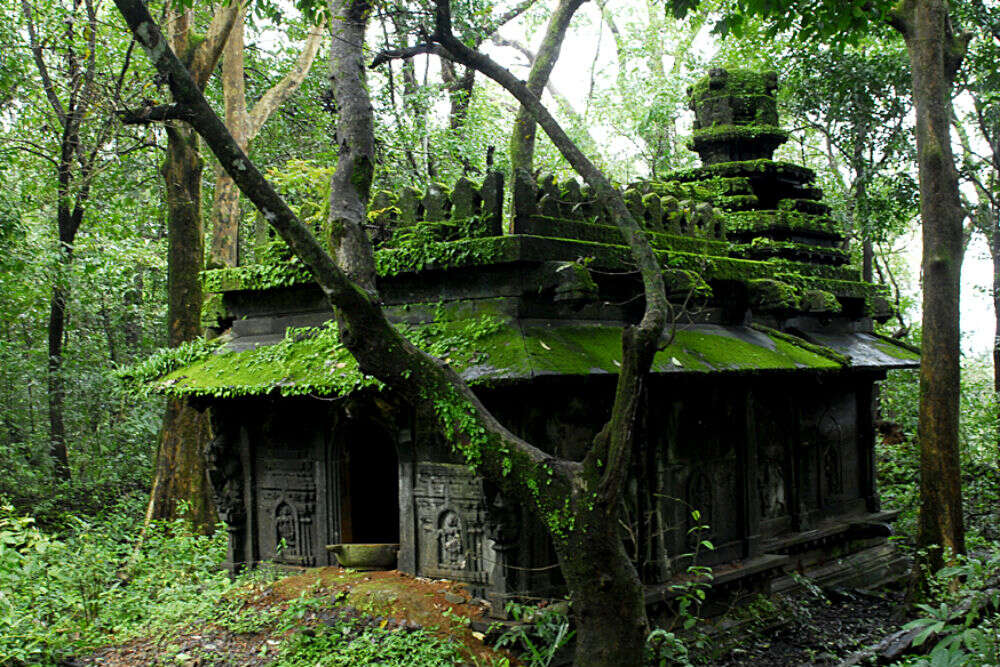
Kanoor Kote referred to as Govardhanagiri Kote (Govardhanagiri being the hill range on which it is located) is a remote military fort in the heart of the Sharavathy Valley. After a long hike from Kanoor Village, having descended about 5 km into the Hebbenkeri Valley and then steeply ascended past Mundwala hamlet, the mud track one walks on literally slices through dense jungle. The layers in the canopy, the bush in the undergrowth, the tall trees competing for sunlight, the older trees with huge buttress roots, enough for a person to hide inside), the forest is brilliant. It showcases the beauty of the Western Ghats in all its glory. As one steeply ascends to the top of the ridgeline, a small lake emerges. Reminded me of lake placid for some reason, an eerie calm it had. No doubt it was pretty and not a soul around. You walk further about 200 m and suddenly you hit a fort wall. And there, you have reached Kanoor Kote, Kote meaning fort, and Kanooru referring to the name of the place, in Kannada. Built by Rani Channabhairadevi, it peaked in glory around the 16th century during the rule of the Keladi kings. Also referred to as the pepper queen, the Rani was brave and ruled from her capital—Gersoppa. Some historians believe that she was like a chieftain under the Keladi kings while others say that she was in fact part of the Keladi royals. Nevertheless, what we do know is that she used the fort as a military hide out and houses her soldiers there. Now in absolute ruins, the fort is camouflaged in the overgrown tropical vegetation. The ambience transports you to a time lost in history. This fort is now located within the Sharavathy Valley Wildlife Sanctuary, hence a permit from the Range Forest Office at Kogar or the ACF office at Kargal will be required to visit the area.

closecomments

Be the first one to review.
We have sent you a verification email. To verify, just follow the link in the message
end of article
Next story
Keladi
Visual Stories
10 pretty Indian villages to visit this year-end

8 castles in Germany straight out of a fairy-tale
8 tiger reserves every wildlife enthusiast should visit in India

10 animals that are easily spotted in Ranthambore National Park
How to prepare for a night safari in India?

9 rare animals to spot in the Western Ghats and where to find them


Trending Stories
This American state is known as the ‘Rainbow Capital of the World’; what travellers must know before planning a trip here
IMD warns of intense heatwaves and heavy rain across these popular tourist regions in India; what travellers need to know
10 items travellers are not allowed to carry in hand baggage (number 5 might surprise you)
10 underrated wildlife destinations in Asia that are less crowded than popular safari parks
India’s most scenic monsoon road trips: safety tips travellers should know




Comments (0)