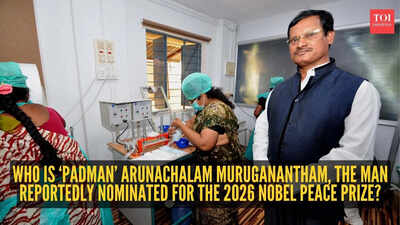
Who Is ‘Padman’ Arunachalam Muruganantham, The Man Reportedly Nominated For The 2026
Nobel Peace Prize?
There was a time in India when periods were barely spoken about openly. In many households, menstruation came wrapped in silence, awkwardness and a long list of rules. Girls were told what not to touch, where not to sit and, in many cases, were expected to quietly “manage somehow” without proper sanitary products.
For millions of women, especially in villages and low-income homes, sanitary pads weren’t even considered a necessity. They were seen as expensive extras.
And then a man from rural
Tamil Nadu decided to ask a very basic question that most people around him were too uncomfortable to even discuss.
That man was Arunachalam Muruganantham.
Today, the world knows him as “Padman” - the man who completely changed the conversation around menstrual hygiene in India. Years after his story inspired documentaries, global talks and even a Bollywood film, Muruganantham is once again making headlines after reports claimed he has been nominated for the 2026 Nobel Peace Prize.
And honestly, if you know his story, it’s not hard to understand why.
A childhood far away from fame
Muruganantham was born in Coimbatore, Tamil Nadu, into a family that struggled financially. Life wasn’t easy growing up. He lost his father at a young age, and that changed everything for the family.
Money became tight almost overnight.
He had to drop out of school early and start working small jobs just to help at home. Over the years, he did all kinds of work - welding, machine operation, farm labour - basically whatever helped him earn enough to survive.
There was nothing glamorous about his early life. No fancy education. No big investors. No startup ecosystem. No social media hype.
In fact, if someone had told people back then that this man would one day be invited to global conferences and discussed alongside major innovators, they probably would have laughed.
But life changed because of one very ordinary moment at home.
The discovery that stayed with him
Back in the late 1990s, Muruganantham noticed his wife using an old cloth during her periods instead of sanitary pads.
At first, he didn’t think much of it. He assumed pads were cheap and easily available. But when he actually looked into the price, he realised why many women avoided buying them regularly.
For families trying to manage basic household expenses, sanitary pads felt unaffordable.
That bothered him.
What shocked him even more was realising that women were risking infections and health issues simply because safe menstrual products were either inaccessible or too expensive.
Most people would have moved on after that thought.
He didn’t.
When people thought he had lost his mind
This is where Muruganantham’s story becomes unbelievable.
He became determined to create low-cost sanitary pads that ordinary women could afford. Sounds simple now, but back then, openly discussing periods - especially as a man in a conservative village - was enough to make people deeply uncomfortable.
He began experimenting with homemade pads and tried asking women around him for feedback.
Most refused.
Some were embarrassed. Others thought the entire thing was inappropriate. Villagers started gossiping about him constantly.
At one point, even his wife reportedly got frustrated and temporarily left because of his obsession with menstrual hygiene experiments.
People genuinely thought he had gone mad.
But Muruganantham kept going.
And because he couldn’t properly test menstrual absorption himself, he came up with an unusual solution that later became famous worldwide. He reportedly created a makeshift testing setup using animal blood to understand how sanitary pads functioned during movement.
To outsiders, it looked bizarre.
To him, it was research.
That difference changed everything.
The invention that transformed lives
After years of failed experiments, embarrassment and trial-and-error learning, Muruganantham finally built a low-cost sanitary pad-making machine.
But what made his idea revolutionary wasn’t just affordability.
It was the business model behind it.
Instead of creating giant factories or turning the idea into a massive corporate product, he designed compact machines that rural women could operate themselves.
Women’s self-help groups could buy these machines, manufacture sanitary pads locally and sell them within their own communities at affordable prices.
That one innovation solved multiple problems at the same time.
It improved access to menstrual hygiene.
It created jobs for women.
It encouraged local entrepreneurship.
And most importantly, it forced society to start talking openly about periods.
That’s what made his work bigger than just “pads.”
It became a social movement.
Why his work mattered beyond hygiene
For many girls in rural India, periods didn’t just mean discomfort. They often meant missing school, isolation and health risks.
Several studies over the years have shown how poor menstrual hygiene affects education and public health. Many girls skipped classes because they didn’t have safe products or proper sanitation facilities.
Muruganantham’s work directly addressed that gap.
But beyond the practical side, he also helped remove shame from the conversation.
And that may actually be his biggest contribution.
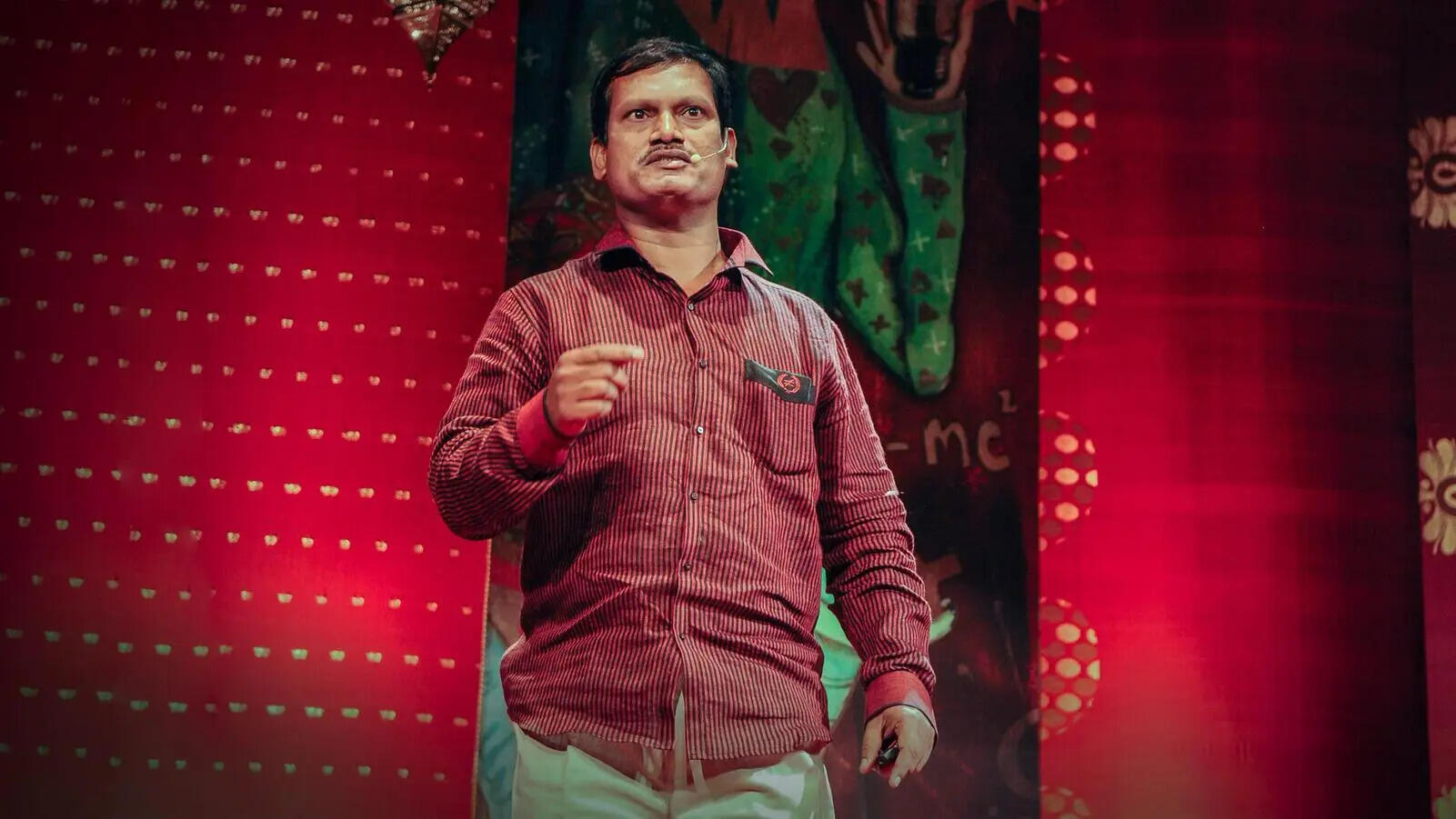
At a time when menstruation was still treated as taboo in many homes, he openly spoke about it at public events, interviews, universities and international conferences without hesitation.
That visibility changed public conversations slowly but significantly.
He made people uncomfortable first.
Then he made them think.
From rural innovator to global icon
Muruganantham’s story eventually spread far beyond India.
Documentaries were made on him. International media outlets covered his journey. Universities invited him to speak.
In 2014, Time magazine named him among the world’s 100 most influential people.
Then came the moment that pushed his story into mainstream pop culture.
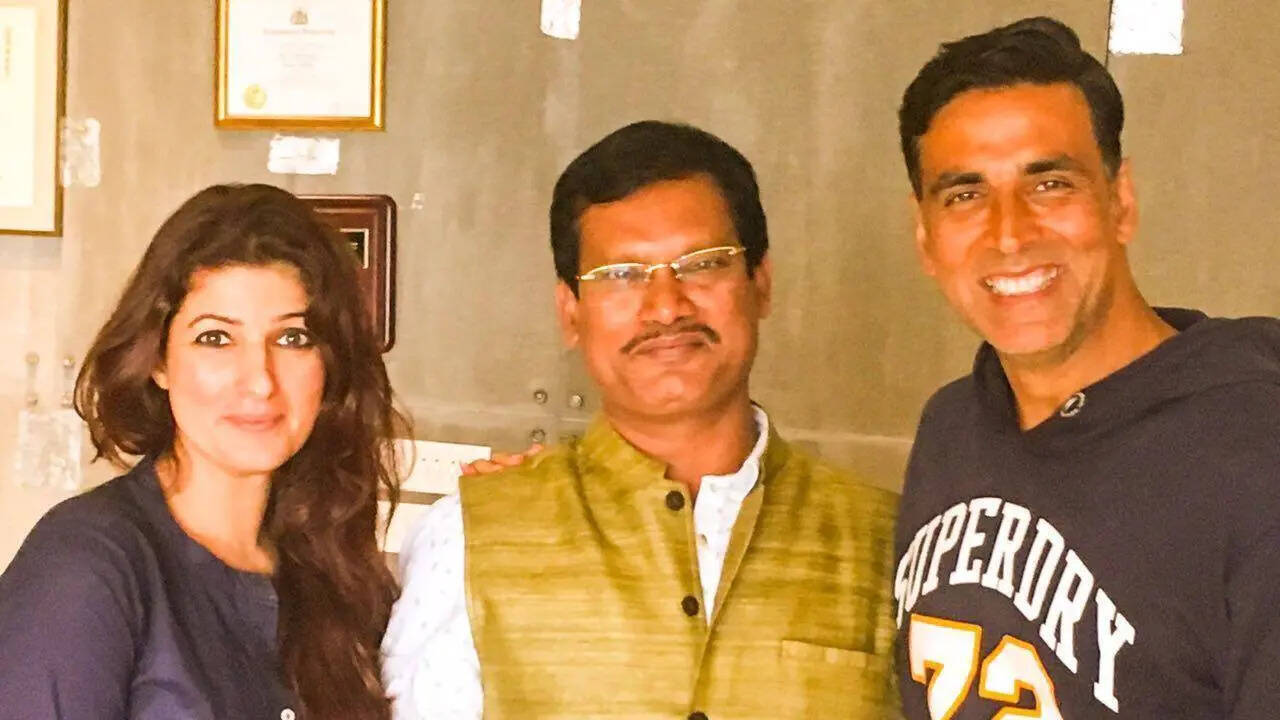
In 2018, Bollywood released Pad Man, inspired by his life, starring
Akshay Kumar in the lead role.
The film introduced millions of people to the struggles he faced while trying to solve a problem society refused to discuss openly.
After that, the nickname “Padman” stuck permanently.
And somehow, a man once mocked by his own village became one of the most recognisable faces associated with menstrual awareness globally.
Recognition and awards
Muruganantham’s work has earned him several honours over the years.
In 2016, he received the Padma Shri, one of India’s highest civilian awards.
He has also spoken at institutions across the world about grassroots innovation, social entrepreneurship and women’s health.
What people find inspiring about his story is that none of it came from privilege.
He wasn’t backed by a giant corporation.
He wasn’t an IIT graduate.
He simply kept working on a problem most people ignored.
Why the Nobel Peace Prize nomination matters
Reports about his nomination for the 2026 Nobel Peace Prize have once again put global focus on his work.
Now technically, Nobel nominations themselves remain confidential, and thousands of people get nominated every year. But even being associated with that level of recognition says a lot about the impact of his work.
Supporters believe menstrual hygiene is directly linked to dignity, education, healthcare and gender equality.
And honestly, they’re not wrong.
By making sanitary products affordable and accessible, Muruganantham improved the lives of countless women who had been left out of important healthcare conversations for decades.
But perhaps what makes his journey truly powerful is this:
He didn’t build a flashy tech app.
He didn’t chase billionaire status.
He simply decided that women deserved better options and refused to stop, even when people laughed at him for it.
The legacy of ‘Padman’
Today, Arunachalam Muruganantham represents far more than just an invention.
He represents persistence.
He represents uncomfortable conversations that eventually create change.
And he represents the idea that innovation doesn’t always come from elite labs or expensive boardrooms. Sometimes it comes from ordinary people paying attention to everyday problems.
Years ago, people mocked him for talking about sanitary pads in public.
Today, the same man is being discussed as a Nobel Peace Prize nominee.
And honestly, that full-circle moment says everything.