
- News
- Health News
- When is a headache more than just a headache? Doctor explains the brain tumor warning signs people often ignore
When is a headache more than just a headache? Doctor explains the brain tumor warning signs people often ignore

Why some headaches deserve more attention than others
Most headaches are harmless. They come after a long day at work, a night of poor sleep, dehydration, stress, or too much screen time. A glass of water, some rest, or a painkiller is often enough to make them go away.
But what happens when the headache keeps returning? What if it starts behaving differently? What if it arrives with blurred vision, unusual forgetfulness, personality changes, or balance problems?
These are the moments when a headache may be trying to tell a much bigger story.
Brain tumors are imagined as conditions that announce themselves dramatically. Many people expect severe, unbearable headaches as the first sign. In reality, the earliest warning signs can be quite subtle. They resemble common day-to-day complaints, which is why many people ignore them until the symptoms become impossible to overlook.
According to government health agencies such as the National Institute of Neurological Disorders and Stroke (NINDS), symptoms of brain tumors can vary widely depending on the tumor's size, location, and growth rate. Headaches, vision changes, memory issues, personality changes, seizures, and balance problems are among the commonly reported warning signs.

It doesn't always begin with a headache
One of the biggest myths surrounding brain tumors is that headaches are always the first symptom.
That is not necessarily true.
Dr Ujwal Yeole, Consultant Neuro-Oncosurgeon at KIMS Hospitals, Thane, explained, "One of the biggest misconceptions surrounding brain Tumors is that headaches are always the first symptom. The reality is often very different. Depending on where the Tumor is located, a person may initially notice changes in memory, concentration, vision, speech, balance, or behaviour. Some struggle to focus at work. Others find themselves becoming unusually forgetful or emotionally different from their usual selves."
The reason behind this is simple. Different parts of the brain control different functions. A tumor pressing on an area responsible for speech may affect communication. A tumor affecting vision-related areas may cause blurred or double vision. A growth near regions controlling emotions and personality may alter behaviour long before physical symptoms appear.
Many people blame these changes on burnout, stress, ageing, or exhaustion. Unfortunately, that assumption can sometimes delay diagnosis.
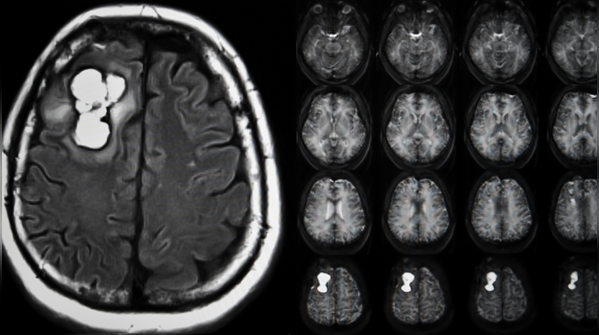
When should a headache raise concern?
A headache alone is rarely a reason to panic.
In fact, experts stress that the vast majority of headaches are not caused by brain tumors. However, certain patterns deserve medical attention.
Dr Yeole said, "A headache that becomes more frequent and worsens overtime, wakes a person from sleep, or feels different from previous headaches should never be ignored."
He further added, "Headaches accompanied by vomiting, visual disturbances, or neurological symptoms should be promptly paid attention to. The concern is not a single bad headache but a symptom that refuses to go away or behaves differently than before."
Research from NINDS notes that headaches associated with serious neurological conditions may worsen over days or weeks, change in pattern, or appear alongside symptoms such as weakness, confusion, double vision, or seizures.
The key difference is not necessarily the intensity of the pain. It is the pattern.
The changes family members often notice before patients do
Not every warning sign appears in a medical test first.
Sometimes it appears at the dinner table.
Sometimes it appears in a conversation.
Sometimes it is noticed by a spouse, sibling, or close friend.
Dr Yeole pointed out, "Brain Tumors can sometimes affect personality, emotions, and behaviour long before patients recognise that something is wrong."
He added, "Subtle changes like mood swings, increased irritability, social withdrawal, or changes in communication are often noticed by family members. A normally organised person may begin forgetting appointments. Someone who is calm by nature may become unusually short-tempered."
Because these changes happen gradually, they are frequently dismissed as emotional stress, workplace pressure, menopause, ageing, or mental fatigue.
Yet neurological experts acknowledge that personality changes, confusion, memory problems, and behavioural alterations can sometimes be among the earliest clues of a brain tumor.
This is why loved ones often play a critical role in recognising when something feels "different."
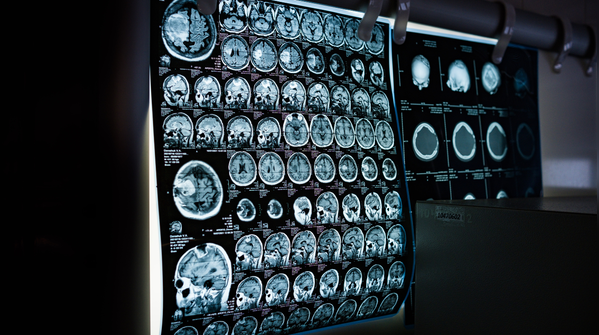
Blurred vision, poor balance, and everyday struggles that shouldn't be ignored
Many people expect serious neurological illnesses to cause dramatic symptoms.
The reality is often much quieter.
Dr Yeole explained, "When symptoms like blurred vision or double vision occurs, when there is an unexplained weakness in arm or leg, difficulty in maintaining balance or frequent stumbling. Even something like struggle in finding words should not be ignored as they all can be warning signs."
These symptoms occur because tumors can interfere with pathways that control vision, movement, speech, and coordination. Depending on the tumor's location, a person may experience difficulty walking, dizziness, weakness, loss of balance, or problems expressing thoughts clearly.
Dr Yeole cautioned, "While they don't automatically indicate that a person has brain tumor, these symptoms should never be ignored, especially if these symptoms are recurring and progressively worsens overtime."
The word "progressive" matters. Symptoms that consistently worsen deserve evaluation.
A first-time seizure in adulthood is never normal
Perhaps one of the most important red flags is a seizure occurring for the first time in adulthood.
Dr Yeole said, "One symptom that always requires medical evaluation is a first seizure occurring in adulthood."
He further explained, "Even if a person feels completely well afterward, a seizure can be an important clue that something is affecting the brain. Brain Tumors are only one possible cause, but ruling out serious underlying conditions is essential."
Ignoring a first-time seizure can mean missing an opportunity for early diagnosis.
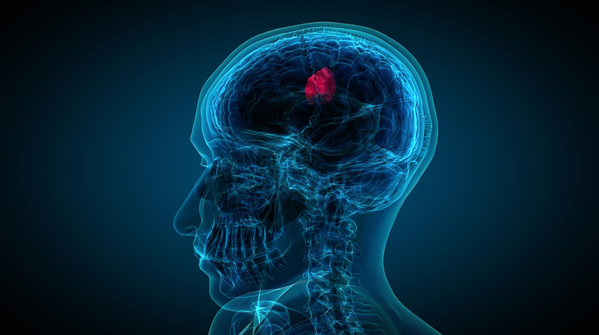
Can brain tumors be prevented?
There is currently no guaranteed way to prevent most brain tumors.
Unlike conditions such as heart disease or type 2 diabetes, brain tumors often do not develop because of lifestyle choices alone. Scientists are still working to understand the exact causes behind many cases.
What people can do, however, is avoid ignoring persistent symptoms.
Dr Yeole offered a practical perspective, "The vast majority of headaches are not caused by brain Tumors. There is no need to panic every time a headache strikes. What matters is paying attention to symptoms that are persistent, progressive, or accompanied by changes in thinking, behaviour, vision, movement, or speech."
He added, "Modern imaging tests can identify problems at an early stage, allowing treatment to begin sooner when needed. Awareness remains one of the most powerful tools."
Perhaps the most hopeful part of the conversation is this:
"Early intervention be it surgery, chemotherapy or radiation therapy or combination of any of these modalities can not just improves outcomes but also sometimes cure patients from ailment completely."
In other words, awareness is not about fear. It is about giving people the best chance at timely treatment.
Most headaches are exactly what they seem: headaches
But the body has a remarkable way of sending signals when something deeper is happening. A recurring headache that changes character, unexplained vision problems, sudden personality shifts, memory lapses, balance issues, or a first-time seizure should never be brushed aside as "just stress."
Brain tumors are often difficult to spot because their earliest symptoms can look so ordinary.
The challenge is not to become fearful of every headache.
The challenge is learning when a symptom has stopped being ordinary.

Medical experts consulted
This article includes expert inputs shared with TOI Health by:
Dr Ujwal Yeole, Consultant, Neuro - Oncosurgeon, KIMS Hospitals, Thane.
Inputs were used to explain how the early warning signs of brain tumors can often resemble common health complaints such as headaches, stress, fatigue, or poor sleep, and why recognising persistent neurological symptoms and seeking timely medical evaluation can play a crucial role in early diagnosis and treatment.
Featured In Health

