
- News
- etimes
- animals-pets
- Brahminy blind snake: Meet the world’s “flowerpot snake” that secretly travels through plant soil
Brahminy blind snake: Meet the world’s “flowerpot snake” that secretly travels through plant soil
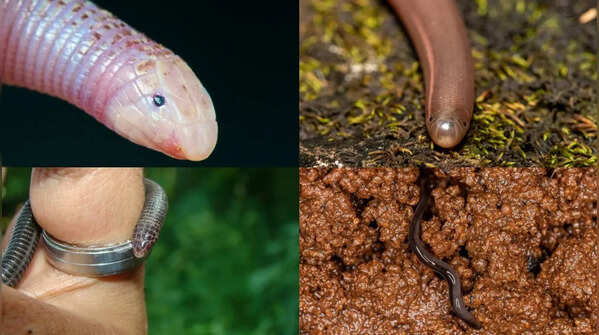
Brahminy blind snake: Meet the world’s “flowerpot snake” that secretly travels through plant soil
Small, secretive, and commonly mistaken for an earthworm, the Brahminy blind snake is perhaps the most unusual type of reptile on Earth. Also known as the "flowerpot snake," the species spreads across continents hidden in the soil of potted plants. It poses no harm to humans, spending much of its life hiding in the ground. Specialists view it as one of the most impressive examples of how a small animal can spread globally thanks to human activities and adaptation.
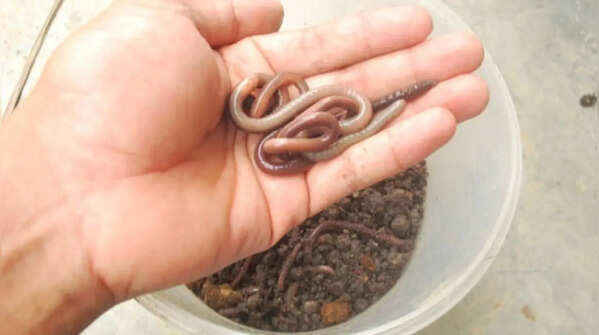
Why is it called the "Flowerpot snake"
The reason the snake got its name is that it is often found in the soil of flower pots. As the plants are transported from one area to another, these animals accompany them. The snakes' small size and underground life make it hard to notice them in the soil. Thus, this mode of transportation enabled the animals to establish populations far outside their native lands.
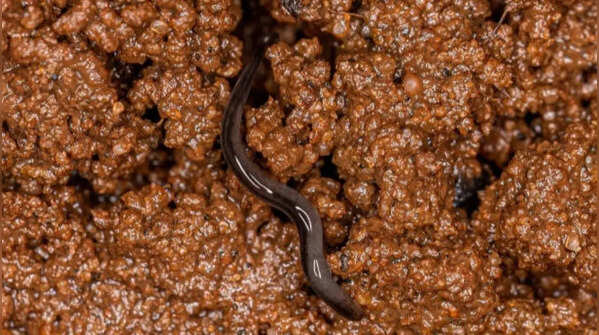
It looks more like an earthworm than a snake
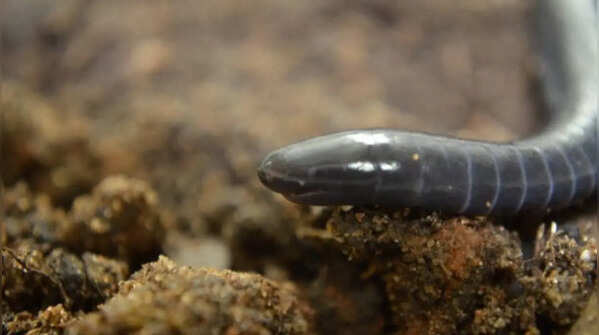
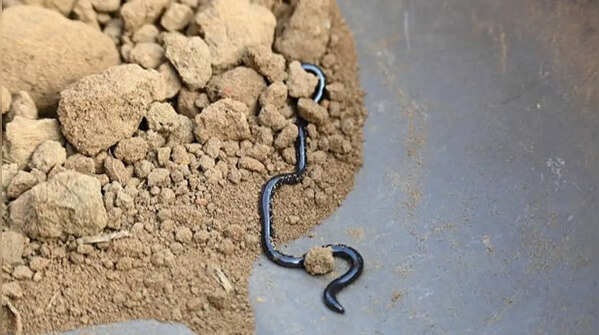
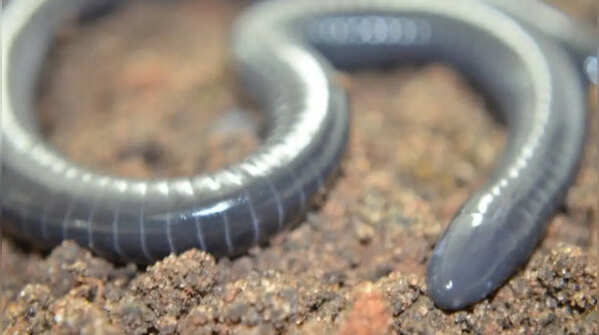
A distinguishing feature of the snake is its peculiar look. Measuring a few inches in length, it has a shiny, cylinder-shaped body and a blunt head, similar to those of a worm. Its scales are also smooth and glossy, often being either dark brown, purple, or black. Its eyes are extremely small and covered by the scales, making them hardly visible. The snakes resemble worms in appearance.
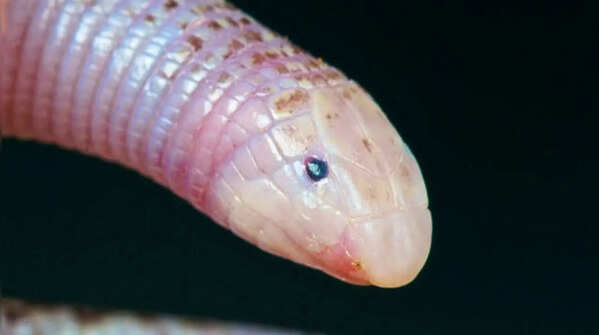
A master of underground living
While many snakes hunt in the daylight, the Brahminy blind snake prefers staying underground. It burrows into loose earth, litter, and compost to find food. Its slender body enables it to manoeuvre easily under the ground. Underground life helps it hide from dangerous predators and protect itself from extreme weather conditions. Therefore, people may reside in the areas inhabited by the snakes for years without ever seeing one of them.
It reproduces without males
A distinctive characteristic of the Brahminy blind snake is that almost all known specimens are female. The animals reproduce through parthenogenesis, where each specimen can give birth without a male. Each offspring is a copy of its mother. This unusual way of reproduction accounts for the great success of the snakes in spreading worldwide. Just one animal transported in a flower pot can populate an entire area.
Harmless but highly effective hunters
Although the animal is a snake, it is completely harmless to humans and animals. Neither does the Brahminy blind snake have any venom. It feeds primarily on ants, termite larvae, and insects. As they eliminate harmful organisms, the snakes perform a helpful function in gardens. Thus, the snakes are more of hidden helpers rather than pests.
A global traveller without trying
Initially thought to come from some areas of Asia, the Brahminy blind snake is now present in the majority of tropical and subtropical zones. The reason behind its great spread is the worldwide transportation of ornamental plants in the soil. Thanks to its ability to withstand various climate conditions, the animal has managed to settle in numerous areas across the globe.
One of nature's most overlooked reptiles
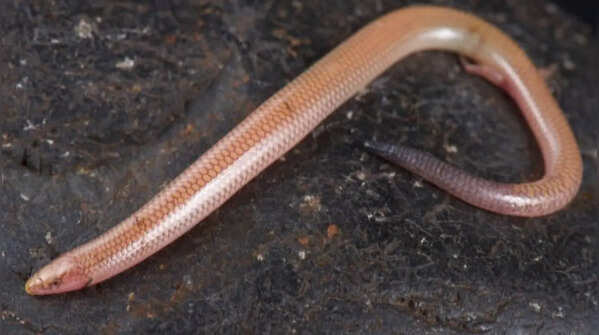
Even though the animal has become globally distributed, very few people know about it. The reason is their small size, secretive lifestyle, and harmless nature. Nevertheless, scientists find this snake extraordinary due to its unique reproductive traits, worldwide distribution, and great tolerance to human interference. When someone moves a potted plant in a city or even across an ocean, there might be a Brahminy blind snake accompanying it.
Featured In etimes

