

Why Washington is considering expanding nuclear deployments across Europe
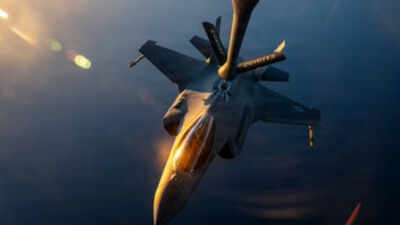
History of US nuclear weapons in Europe

About the AuthorTOI News Desk
End of Article
Tired of too many ads?go ad free now
Arsenal
- Missiles
- Tanks
- Guns
- Submarines
RS-28 Sarmat Satan II
Missiles
- RS-28 Sarmat Satan II
Russia
- Trident II D5
USA
- LGM-30G Minuteman III
USA
- RS-24 Yars
Russia
- M51.3
France
- Agni-V
India
- Hwasong-17
N. Korea
- RT-2PM2 Topol-M
Russia
- Julang-2
China
- Agni-V
India
- Agni-P
India
- K-4
India
- BrahMos
India
- Pralay
India
- Nirbhay
India
- Akash-NG
India
- Astra Mk2
India
- Rudram-1
India
- MR-SAM
India
- Iron Dome Tamir
Israel
- David's Sling Stunner
Israel
- Arrow 2
Israel
- Arrow 3
Israel
- Jericho III
Israel
- LORA
Israel
- Delilah
Israel
- Popeye Turbo ALCM
Israel
- Spike NLOS
Israel
- Python 5
Israel
- Derby
Israel
- Patriot PAC-3 MSE
USA
- THAAD
USA
- SM-3 Block IIA
USA
- SM-6
USA
- Tomahawk Block V
USA
- JASSM-ER
USA
- AIM-120D AMRAAM
USA
- BGM-109 Tomahawk Block IV
USA
- Shahab-3
Iran
- Emad
Iran
- Sejjil-2
Iran
- Kheibar Shekan
Iran
- Fattah-1
Iran
- Soumar
Iran
- Paveh
Iran
- Noor
Iran
- Khalij Fars
Iran
- Shahed-136
Iran
- Bavar-373
Iran
- Fateh-110
Iran
Russia
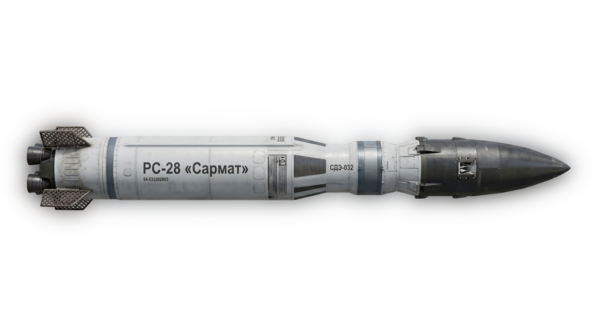
Missile
RS-28 Sarmat Satan II
Service Start
2023
Service End
Present
Range
18000 km
Defence Videos


Defence News

Defence |3 hours ago
India moves closer to mega Rafale deal, but will it solve the IAF's fighter shortage?
Defence |13 hours ago
Air Marshal Tarun Chaudhry assumes charge as chief of Central Air Command
Defence |19 hours ago
Big update in Rafale deal: India begins process to procure 114 jets for Rs 3.25 lakh crore