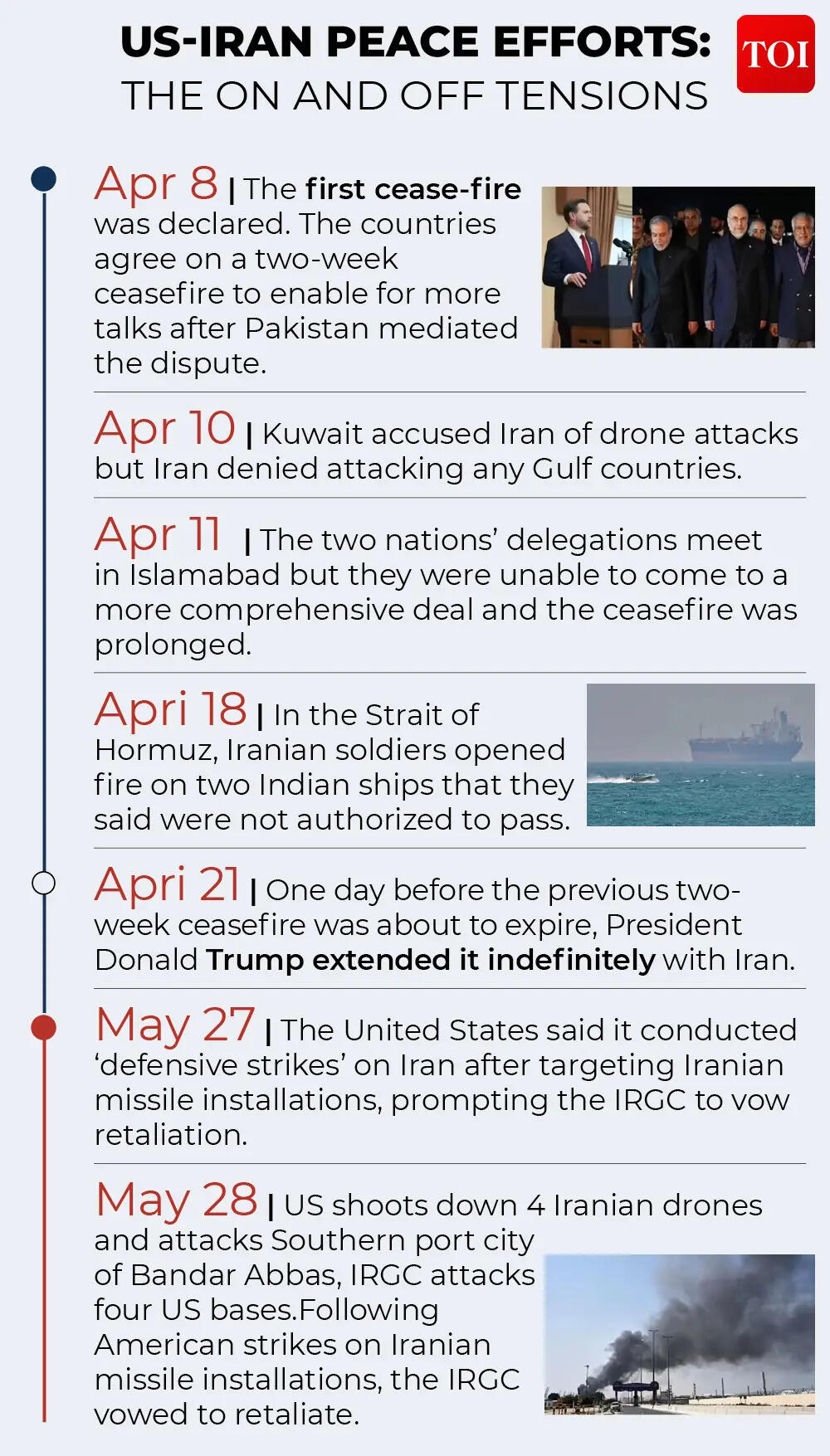
Operation Epic Fury was never just about US strikes on Iran or Tehran's retaliation. The conflict unfolded in one of the world's most important energy corridors, where every military escalation carried implications far beyond the battlefield.
As aircraft carriers surged into the region, missiles lit up the skies and tensions around the Strait of Hormuz rattled global markets, governments and traders braced for the worst. Oil prices swung wildly, supply chains came under pressure and energy-importing nations feared a prolonged crisis.
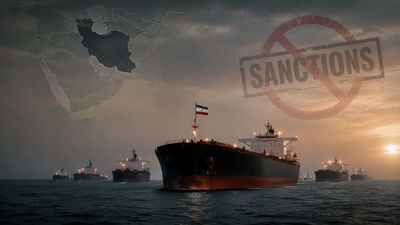
Yet amid the headlines about military operations and diplomacy, another story was quietly unfolding at sea, one involving ageing tankers, hidden ownership structures and a vast shipping network that has helped sanctioned economies such as Iran and Russia keep their oil flowing.
Ships keeping sanctioned economies alive
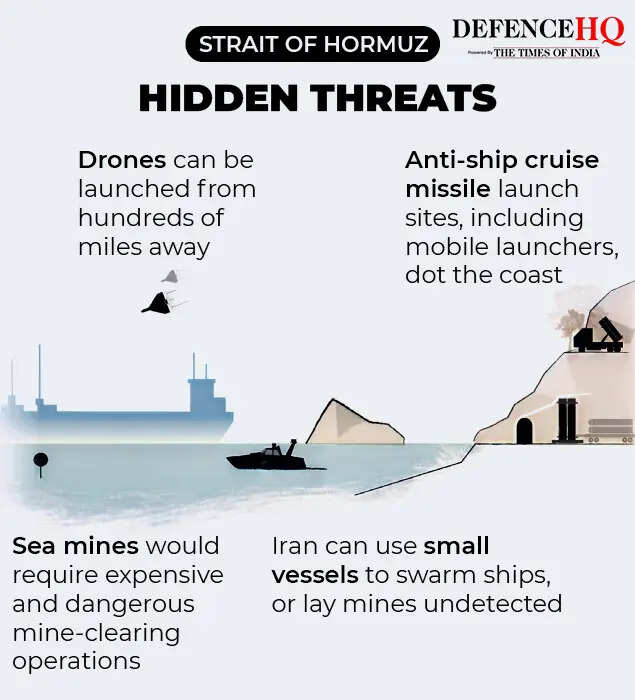
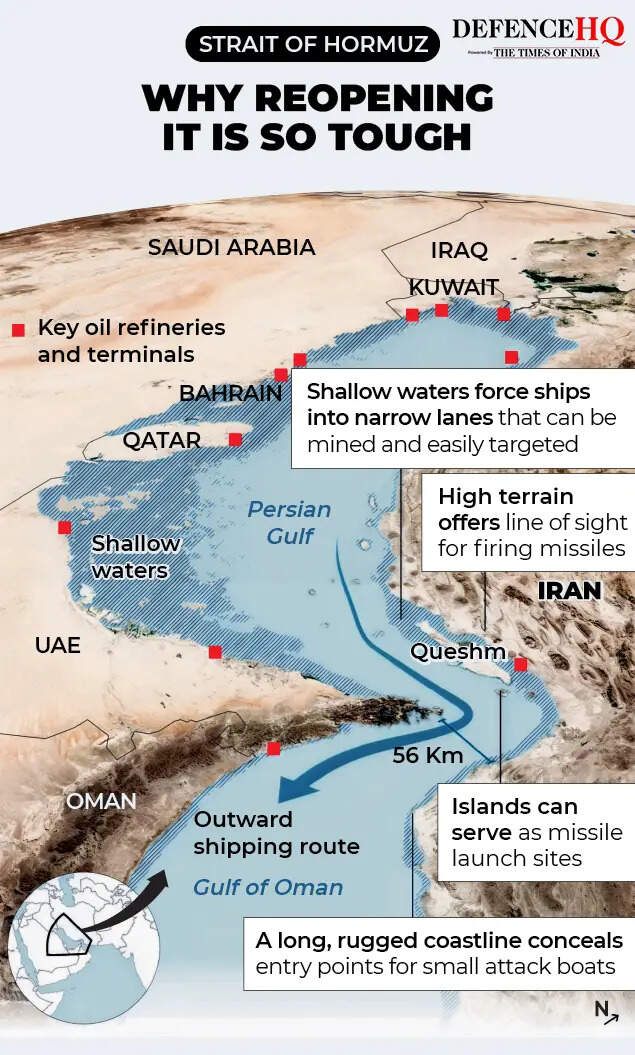
When the United States and Israel launched strikes on Iran and fears of a wider regional conflict sent oil markets into turmoil, attention quickly turned to the Strait of Hormuz, the narrow waterway through which nearly a fifth of the world's oil supply passes.
But even as sanctions tightened, military pressure mounted and Washington sought to squeeze Tehran's finances, Iran continued to earn billions of dollars from oil exports.
The reason lies not only in geopolitics but also in a sprawling maritime network known as the shadow fleet.
Often described as the underworld of global shipping, the shadow fleet has become one of the most important lifelines for sanctioned economies, particularly Iran and Russia. Built on secrecy, legal grey zones and ageing vessels, it allows oil to move across oceans while staying one step ahead of regulators.
What exactly is the shadow fleet?
The International Maritime Organization (IMO) defines "dark" or "shadow" fleet vessels as ships involved in activities designed to evade sanctions, avoid safety and environmental regulations, conceal ownership structures or operate without proper insurance.
These vessels often employ a range of deceptive tactics:- Switching off tracking systems such as AIS (Automatic Identification System).
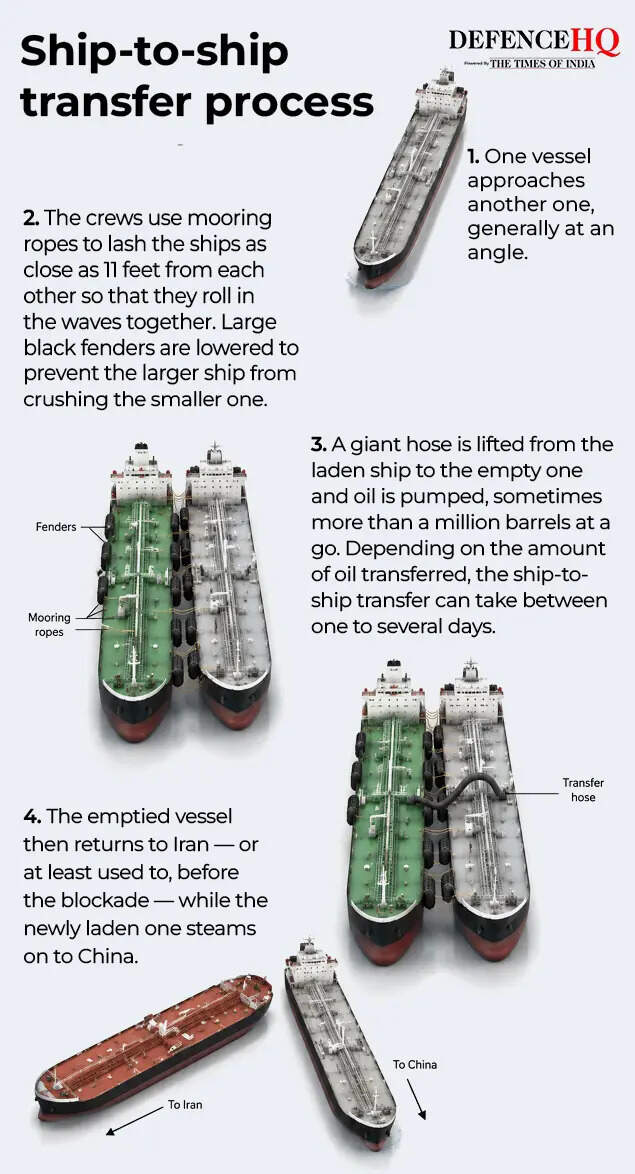
- Conducting covert ship-to-ship transfers at sea.
- Frequently changing names, ownership entities and flags.
- Registering under so-called "flags of convenience" from jurisdictions with limited oversight.
- Operating through shell companies that obscure their true owners.
- Cleared Fleet: Ships with transparent ownership and compliance records.
- Gray Fleet: Vessels that appear legitimate but are used to obscure cargo origins and evade sanctions.
- Dark Fleet: Ships that routinely conceal identities, disable tracking systems and engage in illicit shipping practices.
A fleet born from sanctions
While sanctions evasion in shipping is not new, the modern shadow fleet exploded in size after two major geopolitical developments.
The first came when sanctions on Iran intensified during the 2010s.
The second, and far larger catalyst, was Russia's invasion of Ukraine in 2022.
Western sanctions targeted Russian oil exports, imposed a $60-per-barrel price cap and restricted access to insurance and shipping services dominated by European and G7 companies. Faced with losing major markets, Moscow rapidly expanded alternative shipping networks.
Today, estimates suggest the shadow fleet comprises between 1,000 and 1,500 tankers, representing roughly 10–17% of the global tanker fleet.
Many are over 15 years old. Some exceed 20 years of age.
The Malaysia connection
One of the world's most important hubs for shadow-fleet operations sits far from the headlines.
About 45 miles off Malaysia's coast lies an area known as the Eastern Outer Port Limits (EOPL).
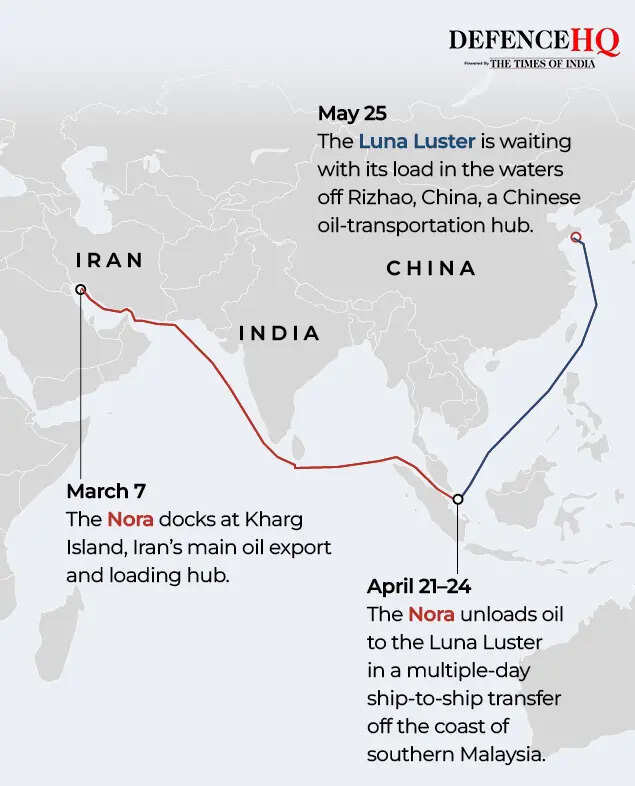
According to a Wall Street Journal investigation, this maritime grey zone has become a critical transfer point for Iranian oil heading to China.
Here, sanctioned tankers quietly meet other vessels at sea.
Oil is transferred through large hoses between ships. Hull markings are painted over. Tracking systems are disabled. Cargo ownership becomes harder to trace.
The process allows Iranian crude to effectively acquire a new identity before entering Chinese ports.
Between 2023 and 2025, ship-to-ship transfers in the area more than doubled, reflecting growing reliance on these routes.
How Iran keeps oil money flowing
The effectiveness of the shadow fleet helps explain why sanctions have struggled to cripple Iran's economy.
According to figures cited by the Wall Street Journal from the US-China Economic and Security Review Commission, Iran earned around $31 billion from oil exports to China last year, with China accounting for roughly 90% of Iran's oil exports.
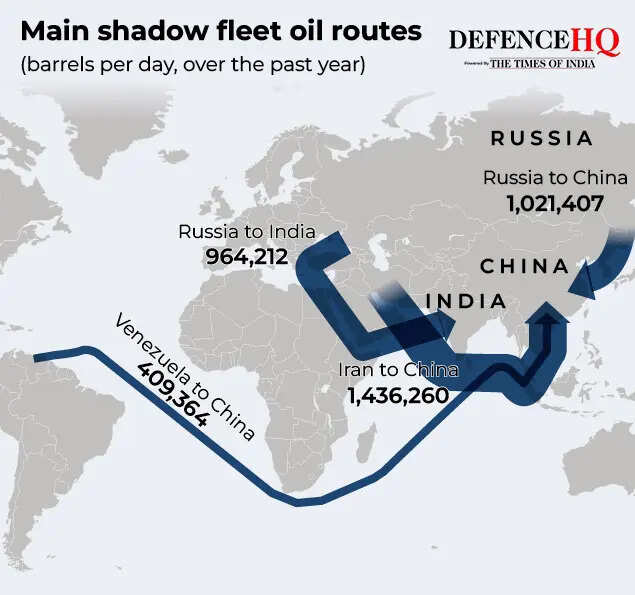
Before the February 28 Epic Fury, China was importing approximately 1.4 million barrels of Iranian crude per day, often at discounted prices.
Even after military escalation and maritime restrictions, tens of millions of barrels of Iranian oil remain at sea or in offshore storage, ensuring continued revenue flows for months, as WSJ reported.
As one energy analyst told the WSJ, despite Washington's "maximum pressure" campaign, Iran may actually be suffering less than many expected because oil already in transit continues generating income long after sanctions are imposed.
Why China matters
The shadow fleet survives largely because there are buyers willing to take the risk.
China has emerged as the primary destination for Iranian oil and a major purchaser of Russian crude.
Officially, Chinese customs have reported no Iranian oil imports since 2022.
Yet shipping data, satellite imagery and customs anomalies suggest substantial volumes continue arriving through intermediary routes labelled as imports from countries such as Malaysia and Indonesia.
Many of these cargoes ultimately end up at independent "teapot" refineries in China's Shandong province. With limited exposure to the US financial system, these facilities face lower sanctions risks than larger state-owned refiners.
A growing security threat
The shadow fleet poses challenges beyond sanctions enforcement.
Many vessels operate without adequate insurance, proper maintenance oversight or transparent ownership.
Maritime experts warn that the combination creates serious environmental risks.
More than 70% of shadow-fleet tankers are believed to be older than 15 years. Some sail under false flags. Others operate with limited regulatory inspections.
Accidents have already occurred. In 2023, the tanker 'Pablo', linked by researchers to Iranian oil transfers, exploded off Malaysia, killing crew members.
Western governments have also grown increasingly concerned about potential links between shadow-fleet vessels and espionage or sabotage operations targeting critical undersea infrastructure.
Why Iran war has renewed focus on shadow shipping
The latest Iran crisis has highlighted an uncomfortable reality for policymakers.
Military strikes can damage facilities.
Sanctions can restrict access to markets.
But as long as oil can be moved through alternative shipping networks, revenue continues to flow.
Recent reports indicate that even amid heightened tensions, Washington faces a difficult choice: maintain an expensive, long-term maritime enforcement campaign or accept that substantial volumes of Iranian oil will continue reaching buyers through shadow-fleet channels.
That challenge extends beyond Iran.
The same networks that transport Iranian crude also move Russian oil, making the shadow fleet one of the most significant sanctions-evasion mechanisms in the modern global economy.
Battle at sea
The shadow fleet is more than a collection of ageing tankers.
It is an alternative energy supply chain operating largely outside traditional oversight.
Built on secrecy, sustained by geopolitical rivalries and powered by global demand for cheap oil, it has become a critical economic lifeline for countries under sanctions.
As the Iran war reshapes energy markets and governments search for ways to enforce economic pressure, the battle is no longer confined to the skies over West Asia.
It is also being fought on the world's oceans, one unmarked tanker at a time.