
- News
- City News
- lucknow News
- A city of splendid gardens & Gomti
Trending
This story is from October 20, 2023
A city of splendid gardens & Gomti
Lucknow, a city with rich heritage and culture, has well-kept gardens and landscapes. Ritu Gulati emphasizes the need to preserve them through sustainable development. The city evolved along the Gomti river, with important buildings and landmarks strategically placed along its banks. During the Nawabi era, palace complexes and religious sites were located near the river. British re-planning after 1857 transformed the city, shifting the focus to Hazratganj and Cantonment areas. The palace gardens, once paradises for royals, lost significance during restructuring. Post-independence, pragmatic and utilitarian approaches led to the development of parks and gardens for public use.
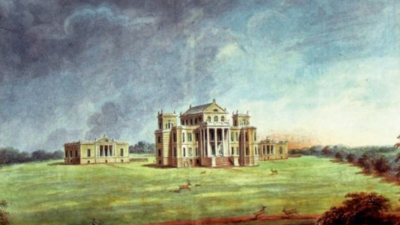
Lucknow is a culturally and architecturally magnificent city
Lucknow is a culturally and architecturally magnificent city. It has evolved over centuries of varied influences that have left an indelible mark on the city’s character.


GOMTI AS A LIFELINE
During the Nawabi era, all the magnificent palace complexes including Daulatkhana, Chhatar Manzil and Kaiserbagh along with the religious complexes like Asafi and Hussainabad Imambaras and Jama Masjid beside others were placed strategically with respect to Gomti. This old city area, including Chowk, assumed prime significance in those times. After 1857, however, the morphology of the city transformed due to British re-planning. Thereafter, Hazratganj and Cantonment areas became more important and the most significant
public buildings like Vidhan Bhawan & Charbagh were located there. Hazratganj and adjoining areas continued to remain significant much after independence too, and only later, when further expansion of the city happened, a new core towards Gomti Nagar blossomed. In due course of multiple floods the Gomti was forced to be segre gated from habitation by embankments to such an extent that despite earlier being considered the entry point to the most significant buildings, it started becoming the backyard. Something we did not see or use much took the toll of apathy.
A CITY OF PALACES & GARDENS
Beside the Splendid Gomti, a unique aspect in Awadh were the garden palace complexes created and nurtured by the Nawabs. Developed on lines of Persian gardens, these included the Musa Bagh Badshah bagh, Sikander Bagh, Kaiserbagh, and Alambagh beside others. They were walled gardens enclosed for selected royals and elites having the choicest of trees, water bodies, flower beds, pavilions and even animals. Made for the sole purpose of rejuvenation and entertaining fellow elites, these were paradises which hosted many talented performances patronised by the Nawabs.
RESTRUCTURING OF LUCKNOW
Most of these palace gardens lost their significance when Lucknow was restructured by the British after 1857. Wide roads cut through, disjointed the overall ambience of these enclosed gardens, although even now we can see a faint glimpse of the splendour that must have been. The Europeans had a very different outlook to buildings and gardens for them meant landscape becoming the foreground and background for large ornate Palladian type villas and bungalows. They developed generous manicured green spaces that were aesthetically vibrant but not most suitable for our harsh climatic conditions. Their prime purpose was to give enough viewing space to the high ornate magnificent buildings like back in Europe where sun and heat were considered desirable.
POST INDEPENDENT LANDSCAPE
After independence, being a nation with limited resources, our approaches were more pragmatic and utilitarian to be used by the people of the democratic republic. The newly formed parks and gardens were either a collection of zoological and botanical specimens like the zoo, botanical garden and Kukrail forest; or landscaped ghats and spaces for religious rituals or melas. Many parks were also developed in the city for recreation or activity for children and evening out with families like Buddha, Globe or Hathi parks. Some gardens were also delegated as commemorative gardens for our freedom fighters, leaders, and personalities having varied political ideologies. In this course many more green areas kept on adding to a city already known for its gardens and parks.
(Writer is professor and HOD at Faculty of Architecture and Planning, AKTU)
End of Article
FOLLOW US ON SOCIAL MEDIA










Hot Picks
TOP TRENDING
Popular Categories
Hot on the Web
Top Trends
Israel Hezbollah WarIND vs BAN Live ScoreUGC NET Result 2024Rohit SharmaKamindu MendisDU ElectionIsrael StrikesMichael VaughanHigh Paying Freelance JobsElon Musk Dating MeloniHezbollah Leader KilledHassan NasrallahShaheen AfridiTamil Nadu NEET UG CounsellingWho is Dominik Mysterios WifeChina SubmarineLive Cricket Score
Trending Topics
Devara CollectionNavya Naveli NandaPawan KalyanJungle SafariStree 2 OTT ReleaseRose GardenDevara CollectionOTT Release MovieMasala OmeletteEmergencyDevaraTaaza Khabar 2 Twitter ReviewDevara Movie ReviewHealthy RaitasSwatantrya Veer SavarkarColdplay India tour 2025Smartphone DealsApple Macbook Air M1Amazon SaleWordle Answer
Living and entertainment
Latest News
WWE Superstar The Rock's Daughters: Everything You Need to Know About Simone, Jasmine, and TianaOnce in a blue moon: Delhiites breathe easy, AQI drops to 80Kamala Harris pledges to revive bipartisan border security bill blocked by TrumpCease-work at Sagore Dutta Hospital in Kolkata after 'assault' on junior doctorsAir Arabia launches early bird promotion on 500,000 seats from INR 5,727!'That was the last time I saw my friend': Rahul Gandhi remembers Sitaram YechuryGuneet Monga says, 'films with American distributors should be sent for competition'Foreign investment hits record high with Rs 23,600 crore inflows this weekChennai corporation raises property tax by 6%, oppn sees redHow Nick Sirianni's game-changing call turned out to be a turning point in Parris Campbell’s careerChennai corporation allows private burial grounds, crematoriums to avoid crowdingMicrosoft CEO Satya Nadella says, for me a true leader is who …Policybazaar eyes new model for mediclaimsCyclists from Poland, Kenya to take part in second Race Across India from October 10PIO judge indicted for bid to influence re-election in USGrab incredible deals on industrial tools, medical supplies and much more during Amazon Great Indian Festival 2024Six players from Nepal football academy missing after landslideZodiac Signs Most Likely to Win a Cooking Contest
Copyright © 2024 Bennett, Coleman & Co. Ltd. All rights reserved. For reprint rights: Times Syndication Service