
- News
- World News
- UK News
- How Queen Elizabeth II sent an email before most people had heard of the internet
Trending
How Queen Elizabeth II sent an email before most people had heard of the internet
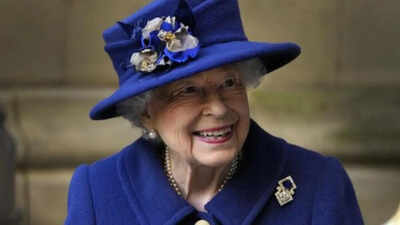
In 1976, Queen Elizabeth II made history by sending an electronic message from a secure lab, a moment that foreshadowed modern communication.
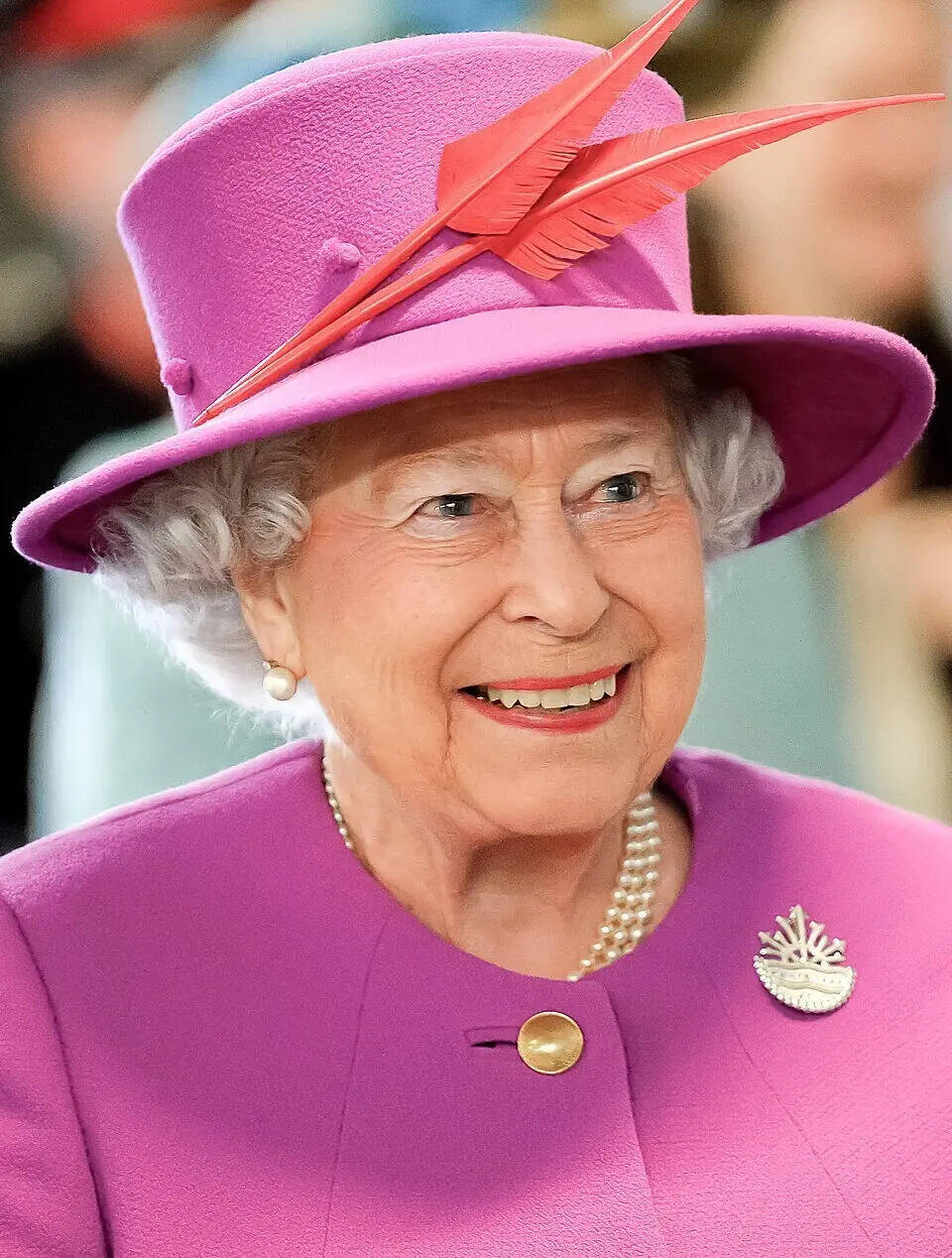
In 1976, Queen Elizabeth II used a computer terminal, a moment that previewed future communication. This event became a milestone in telecommunication history. It showed how traditional state practices could merge with new computer technology. Image Credits: Wikimedia Commons

About the AuthorTOI World Desk
End of Article
Follow Us On Social Media

Hot Picks
Top Trending
Tired of too many ads?go ad free now
Trending Stories
In World
Entire Website
- Challenge cup-winning coach and broadcaster John Kear dies aged 71 as tributes pour in
- Scientists found a hidden signal beneath the Sun and it may change what we know about solar cycles
- Scientists discover 5.5 million bees living beneath a New York cemetery for over 100 years and it could help save vulnerable pollinators
- London tube strikes set to go ahead unless last-ditch talks deliver breakthrough
- The 10 richest people in the world: Elon Musk, Larry Page and Jeff Bezos lead the global wealth race
- UAE announces June 2026 fuel prices as petrol jumps 8% to Dh3.95 per litre, highest level in nearly 4 years
- Meet Argus: The sea-urchin robot with 20 eyes and legs that has rewritten the rules of how a robot should be built
- Green breakthrough: Mouse eyes performed photosynthesis in a remarkable experiment that could transform eye care
- Fragile ceasefire faces fresh test as missiles keep flying as Iran, US trade new blows: Key details
- 'My son was so happy': Hours after saying 'I do', Indian-origin newlywed pilot killed in helicopter crash in US
- US-Israel-Iran War Live Updates: Trump demands changes to Iran pact, pushes for stricter Hormuz terms
- JEE Advanced results 2026 announced at jeeadv.ac.in; Shubham Kumar secures AIR 1 with 330 marks
- Inside RCB's winning machine: The masterminds behind back-to-back IPL titles
- AP EAMCET 2026 result out today at cets.apsche.ap.gov.in; here's how to check scorecards and admission ranks
- 'Kitna doodh pite ho?': Vaibhav Sooryavanshi's hilarious reply to Ravi Shastri goes viral
- Man sits on road as pregnant wife 'trapped' in traffic jam after VIP convoy stops vehicles in Bengaluru
- Hormuz crisis fallout: How Indian refiners are adjusting to new crude oil mix to maximise output
- IPL Final: Kohli delivers on big night; RCB chase down 156 to retain IPL crown
- CBSE News Live Updates: CBSE re-evaluation portal still inaccessible as students await post-result services
- Vaibhav Sooryavanshi creates IPL history, becomes first player to win...
Tired of too many ads?go ad free now



Explore Every Corner
Across The Globe
UP Police Constable Exam City Slip 2026Vaibhav SooryavanshiUS Iran WarCBSECBSE NewsRavi shastriGujarat TitansWest Bengal Cabinet ExpansionTelangana TET 2026 scheduleStock Market TodayJEE Advanced 2026 resultsAbhishek BanerjeeNorway ChessVirat Kohli T-ShirtIPL Awards Full ListVirat Kohli DanceFIFA World Cup Broadcarst in IndiaIPL Prize MoneyIPL 2026JEE Advanced 2026 resultIPL 2026Rajat PatidarDelhi ITO FireIran PresidentCommercial Cylinder PriceMumbai Air India ColoniesDelhi Demolition in Shalimar BaghMamata BanerjeeAP EAMCET 2026 resultJEE Advanced

Hot on the Web
Ajith KumarAneet PaddaDon 3 ControversyVijaySobhita DhulipalaRanveer SinghNarendra ModiBlast ReviewMaya JamaDua LipaTraditional Desi DrinksPM Modi DietKD: The Devil OTT ReleaseDrishyam 3 Box Office CollectionMohanlalKattalan Box Office CollectionBobby DeolVirat KohliChand Mera Dil Box Office CollectionPati Patni Aur Woh Do Box Office CollectionSuriyaKaruppu Box Office CollectionMansoor KhanMini MathurGuru Purnima 2026Neeraj Chopra HouseDiljit DosanjhDhurandhar 2 Box Office CollectionBlast Box Office CollectionHoroscope TodayMahmud Sadis BubaParveen ShaikhUS Powerball LotteryGemini AI Prompts For EidOla Compensation CaseINS KolkataNyt ConnectionsOperation Sindoor 2.0Jellyfish That Never DiesBlue Origin Rocket ExplodingDelivery Firm Refund DeniedCaptions For Instagram Posts
Trending Topics
Delhi Saket Building CollapseJEE Advanced Results 2026Ghaziabad Murder CaseAbhishek BanerjeeMamata BanerjeeMLA Khokan Das ArrestBengal CabinetSri Lankan Woman AccidentLucknow LPG Price HikeUAE Strikes IranIndus Water TreatyGhaziabad Teen MurderJose MourinhoMaharashtra Cooperative Society RegistrationAhmedabad Jobless Man SuicideT20 World Cup 2026Heatwave North IndiaUK student MurderMohammad YousufEbola bengaluruIran WarMasoud PezeshkianBalen ShahJD VanceDonald TrumpMamata BanerjeeRahul GandhiPM Modi meets Myanmar PresidentTim PetitSupreme CourtLuis SuarezSundar PichaiKPMGSatya NadellaMark CubanAli AnsariWix LayoffSridhar VembuGarena Free Fire MAX Redeem CodesPeroxide CodesGenshin Impact Codes
Popular Categories
HeadlinesSports NewsBusiness NewsIndia NewsWorld NewsInternational SportsHealthIndian TV ShowsTechnologyTravelEtimesAstrologyDeorhiAutoTechnology NewsGold Rate TodayWeather TodaySilver Price TodayDelhi Weather TodayPetrol Price TodayDiesel Price TodayCNG Price TodayLPG Price TodayPetrol Price MumbaiDelhi AQIIs Bank Open TodayMumbai AQI TodayIs Bank Open TomorrowPublic Holidays in MayBank Holidays in May
Trending Videos
Aries, Your Luck Is About to Change | Jupiter Transit Brings Big Opportunities Ft. Prakash JoshiBSF-BGB Meet: Illegal Migration, Fencing And Security Under FocusChinna Chinna Aasai | Song - Kara KaviyaatheIran Fires Back At Air Base Used In US Operation Against Tehran TargetWelcome To The Jungle | Song - Ucha Lamba Kad Forever'Brown' Trailer: Karisma Kapoor and Surya Sharma starrer 'Brown' Official Trailer'Thukra Ke Mera Pyaar' Season 2 Trailer: Dhaval Thakur and Sanchita Basu starrer 'Thukra Ke Mera Pyaar' Official TrailerJupiter’s Biggest Transit | Aries, Taurus or Gemini -Who Hits the Jackpot First?| Ft. Prakash Joshi'Raakh' Trailer: Ali Fazal and Sonali Bendre starrer 'Raakh' Official TrailerRahul Gandhi Slams CBSE Over Re-evaluation Fees Visuals from Delhi captured the rare 2026 Blue Moon glowing brightly above the capital's skylineTraffic Jam on Old Airport Road Sparks Delay ConcernsIPL 2026 Final: Jay Shah, Ananya Birla, Arun Dhumal and many more arrive in Ahmedabad for RCB vs GTHow Rajat Patidar built a champion RCB sideDelhi Police Bust Alleged ISI-Linked Terror Module Targeting Delhi And Mumbai‘Dark Ships…’: US Secretly Escorting Vessels In Strait Of Hormuz; Bombshell NYT ReportIran Attacks Kuwait? Gulf Nation Under Missile And Drone Attack After U.S. Strikes Qeshm IslandKunal Kohli Defends Ranveer Singh Amid Flop Talks: ‘Every Star Faces Failure’
Latest News
Hazaribag man drowns while fishing in lake"Behen Darr Gayi!": Fans relive ‘Bhagam Bhag’ era after watching Akshay Kumar's 'Bhooth Bangla' trailerMBOSE HSLC result 2026 to release tomorrow: Check details hereIran war risk: JPMorgan CEO Jamie Dimon warns of oil shocks, sticky inflation and higher interest ratesMake your clutch last longer with these easy driving tips“Three-against-one situation”: El Rubius opens up on being “targeted” in MrBeast’s viral $1M challengeBihar BTSC lab assistant notification released for 1091 posts at btsc.bihar.gov.in; apply hereIPL craze costs techie Rs 1.46 lakh in fake RCB vs CSK ticket scamRaising “robot-proof” kids: Why creativity and curiosity matter more than everInside ‘Satguru Sharan’: Exploring Saif Ali Khan and Kareena Kapoor Khan’s Rs 100 crore Bandra homeHow selling Alaska in 1867 was a costly mistake for Russia'Hera Pheri 3 is coming': Paresh Rawal dismisses delay reports and reveals he will 'start shooting soon'US-Iran War: A daring rescue Hollywood blockbuster is on its way. Till then, pick your favourite from these 10 films on bringing someone home against all oddsKolkata team unveils fan mural at Rash Behari Avenue, celebrating city’s first loveHow US spread a lie to rescue a pilot of a jet shot down in IranNetflix unveils ‘VOID’, an AI model that can change a movie plotAI data centers are causing 'stress' not just to tech companies, but also private insurers"Trans women are.....": Clavicular’s viral moment with trans women sparks fresh conversation on internet culture
Copyright © 2026 Bennett, Coleman & Co. Ltd. All rights reserved. For reprint rights: Times Syndication Service