Lost ancient pearl city from 4th century discovered in UAE
Lost ancient pearl city from 4th century discovered in UAE
You're Reading


Synopsis
Historically documented but previously uncertain in location, Tu'am has been the subject of various theories placing it in different parts of the UAE. However, recent excavations on Siniyah Island provide compelling evidence that … Read more

12 oldest cities in the world; know which Indian city is on the list


Historically documented but previously uncertain in location, Tu'am has been the subject of various theories placing it in different parts of the UAE. However, recent excavations on Siniyah Island provide compelling evidence that this may indeed be the site of Tu'am, overturning previous assumptions.
Michele Degli Esposti, leading the Italian Archaeological Mission in Umm al-Quwain and affiliated with the Polish Academy of Sciences, expressed excitement about the findings. He elaborated their significance, stating, "This is really exciting. This site is incredibly promising."
Read more: 5 ancient cities that are now underwater
Tu'am's history dates back to at least the fourth century, reaching its zenith in the sixth century as a prominent city known for its thriving pearl fishing industry. References in ancient texts highlight Tu'am as the capital of a coastal region celebrated for its pearls. The city's decline began with regional conflicts and was exacerbated by a devastating bubonic plague outbreak in the sixth century, which affected the Near East, Mediterranean, and parts of Europe, ultimately leading to Tu'am's gradual disappearance from historical records.
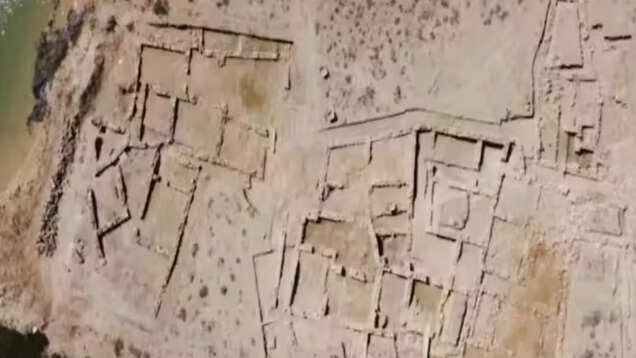
Recent archaeological investigations on Siniyah Island have not only uncovered ancient residential units, but also revealed remnants of a pearling village and a Christian monastery from the same era. These discoveries suggest a much larger and more significant settlement than previously recognised.
Read more: World's most beautiful places you can't miss
Tim Power of the United Arab Emirates University commented on the scale of the findings, noting, "Our archaeological work has discovered the largest settlement by far ever found on the Gulf coast of the Emirates. It's from the exact period described in early Islamic geographical sources. This is clearly a significant site that no one had previously identified."
The presence of a Christian monastery dating from the late sixth to early seventh centuries indicates that Tu'am may have been a Christian settlement for approximately two centuries before the advent of Islam in the region. This discovery adds a new layer to the understanding of Tu'am's cultural and religious history.
The ongoing excavations on Siniyah Island offer compelling evidence that Tu'am, the ancient city celebrated for its pearls, may have finally been located. The discoveries not only shed light on the city's economic importance but also provide insights into its cultural and religious dynamics during its peak and subsequent decline.

closecomments

Be the first one to review.
We have sent you a verification email. To verify, just follow the link in the message
end of article

Visual Stories

10 pretty Indian villages to visit this year-end

8 castles in Germany straight out of a fairy-tale

8 tiger reserves every wildlife enthusiast should visit in India

10 animals that are easily spotted in Ranthambore National Park

How to prepare for a night safari in India?

9 rare animals to spot in the Western Ghats and where to find them



Trending Stories
“They told me not to come to Bihar”: American traveller busts myths as his Darbhanga journey wins hearts online
Which country is the 'Land of the Rising Sun' and what you need to know before visiting there
Last chance to spot tigers: These Indian national parks are closing for the monsoon season in June
Why this remote Japanese island keeps going viral–meet the island’s most unusual residents
9 stunning places to visit in Lahaul Valley after crossing the Atal Tunnel in Himachal Pradesh




Comments (0)