Take A Traditional Japanese Bath
Take A Traditional Japanese Bath


Synopsis
Before the advent of modern household plumbing, sento (Japanese for public baths) were how the people of Tokyo kept clean. Although the hygienic importance of these bath houses has faded, a surprising number of them still exist fo … Read more
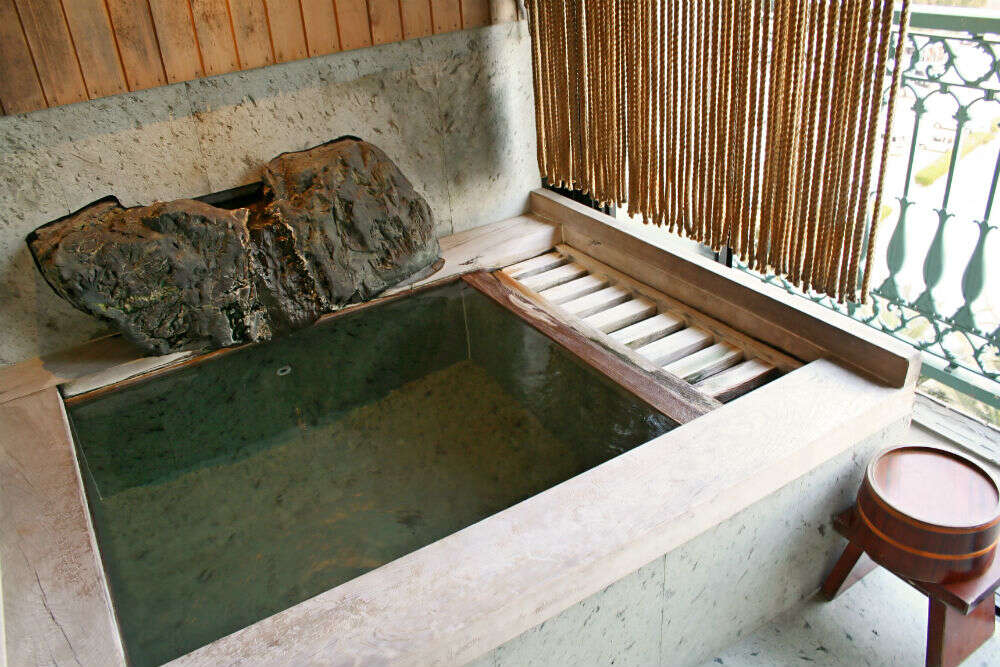 Before the advent of modern household plumbing, sento (Japanese for public baths) were how the people of Tokyo kept clean. Although the hygienic importance of these bath houses has faded, a surprising number of them still exist for cultural reasons. They are one of the many ways in which a modern Japan continues to embrace their heritage and traditions. One of the most well-known sento is Atami-Yu, for two reasons: first is the giant mural of Mount Fuji adorning the bath wall, and second is their extra hot water that is still warmed using firewood, unlike most other sento nowadays.
The male and female baths are separated. After paying entry fee, the appropriate one, strip naked and put everything in your locker. Grab a towel and any necessary toiletries then head for the bathing area. However, before you can enter the baths, first you must wash yourself. Soap, shampoo, the whole works. Clean yourself up good and then make sure to rinse all of the bubbles and soap off. Now you are free to soak in the baths. If nudity bothers you, just keep your eyes eye-level and think happy thoughts.


Nearby: Tokyo Dome City

closecomments

Be the first one to review.
We have sent you a verification email. To verify, just follow the link in the message
end of article

Visual Stories
10 pretty Indian villages to visit this year-end

8 castles in Germany straight out of a fairy-tale

8 tiger reserves every wildlife enthusiast should visit in India

10 animals that are easily spotted in Ranthambore National Park

How to prepare for a night safari in India?

9 rare animals to spot in the Western Ghats and where to find them
Trending Stories
“Koi mat aana yaha pe”...Kedarnath Dham pilgrim shares her harrowing experience of visiting Kedarnath Dham
“They told me not to come to Bihar”: American traveller busts myths as his Darbhanga journey wins hearts online
Which country is the 'Land of the Rising Sun' and what you need to know before visiting there
Last chance to spot tigers: These Indian national parks are closing for the monsoon season in June
Why this remote Japanese island keeps going viral–meet the island’s most unusual residents




Comments (0)