Colombo Dutch Museum
Colombo Dutch Museum
You're Reading


Synopsis
It was in 1638 that King Rajasinghe of the Kingdom of Kandy signed the treaty that opened up Sri Lanka to the Dutch Empire. Even today, a large percentage of Sri Lanka's population can trace their roots to the Netherlands.
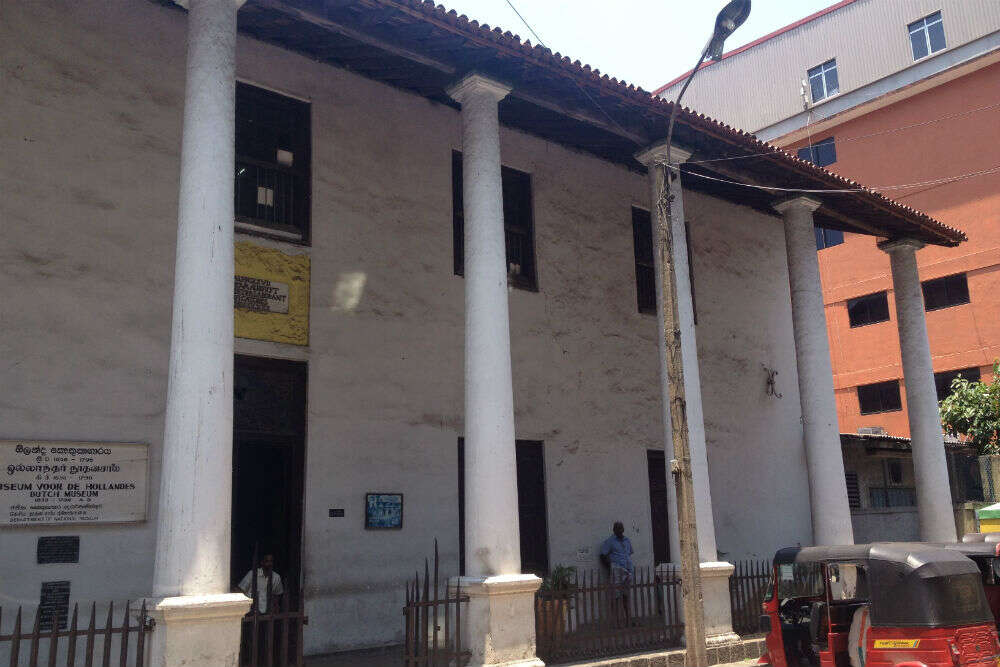
It was in 1638 that King Rajasinghe of the Kingdom of Kandy signed the treaty that opened up Sri Lanka to the Dutch Empire. Even today, a large percentage of Sri Lanka's population can trace their roots to the Netherlands. The exotic mix of people is referred to as Burghers, a peculiar term that is derived from the Dutch word 'Burger' which translates to 'citizen.'
To understand the Dutch contribution to Sri Lanka, step into the Colombo Dutch Museum (also Dutch Period Museum). The museum was once the regal 17th century residence of the Dutch Governor. And it was within these walls that the treaty, with the Dutch, was signed. Over the years, the mansion has been used as a military hospital, a police-station, a seminary, and even a post office. Today, it is a museum where you can find furniture, paintings, and other rare artifacts dating to a forgotten era.

closecomments

Be the first one to review.
We have sent you a verification email. To verify, just follow the link in the message
end of article
Next story
Tamarama Beach
Visual Stories
10 pretty Indian villages to visit this year-end

8 castles in Germany straight out of a fairy-tale

8 tiger reserves every wildlife enthusiast should visit in India

10 animals that are easily spotted in Ranthambore National Park
How to prepare for a night safari in India?
9 rare animals to spot in the Western Ghats and where to find them



Trending Stories
5 national parks in the USA perfect for wildlife lovers and the best time to visit them
Where to see the Sleeping Buddha that everyone is talking about? Everything travellers need to know
From Shiva's Kashi to Krishna's Dwarka: 10 Indian cities and their patron deities
India's most significant hills, and why every traveller should visit them
Ravi Bridge reopens: After long months of disruption, Jammu Rail Services are back on track; here's what it means for travellers



Comments (0)