A 12000-year-old town in Turkey submerges underwater as the crowd watches on
A 12000-year-old town in Turkey submerges underwater as the crowd watches on
You're Reading

A 12000-year-old town in Turkey submerges underwater as the crowd watches on You can attend Ayodhya Parv from Feb 28 to Mar 1 in Delhi Dream Island theme park is Russia’s answer to the world-famous Disneyland The Big Spec Reveal: #MegaMonster Samsung Galaxy M31 is here and it is all set to storm the market with its 64MP quad cam


Synopsis
An ancient, more than a 12000-year-old town in Turkey’s southeastern province of Batman, slowly submerged in water due to rising levels of a dam. The giant Ilısu Dam project has drowned the town of Hasankeyf, which was a human set … Read more
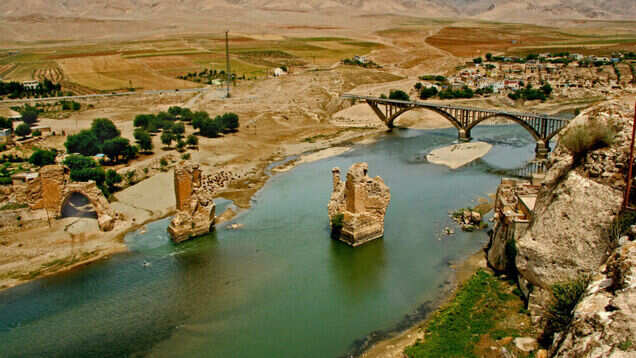
An ancient, more than a 12000-year-old town in Turkey’s southeastern province of Batman, slowly submerged in water due to rising levels of a dam. The giant Ilısu Dam project has drowned the town of Hasankeyf, which was a human settlement thousands of years ago. Locals watched with heavy hearts as ‘history disappeared’ underwater.
The dam project was approved in the year 1997 by the Turkish government to generate electricity. Since then, the dam has made more than 80000 people from 199 villages homeless. Authorities in the neighboring country, Iraq, also fear the impact of the same on their water supplies from the River Tigris.


After going through several issues, the dam started filling last July and the level of water in and around the town began to rise at an alarming rate. The water had already risen some 15 m and then continued rising by around 15 cm every day. The dam is an imperative part of Turkey’s Southeastern Anatolia Project. It is designed to boost the economic growth of the region by turning it into a developed state.
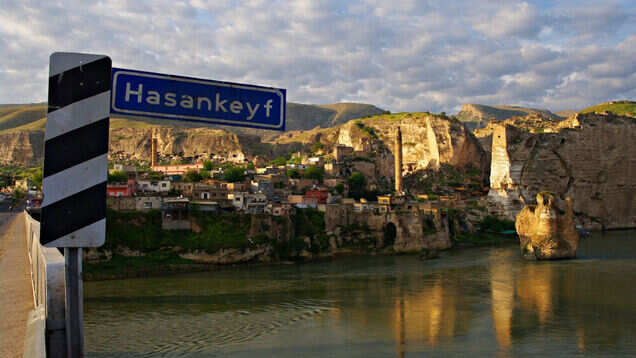
A number of residents, who used to live in the town of Hasankeyf have left and others are planning to move to a new town. The new town, Yeni Hasankeyf, is set on a hill close by and will have people soon.
As of now, the only thing visible are some stone pillars from an ancient bridge. This bridge was once a crucial part of the town and spanned the Tigris. But now, all that one can see is a few pillars. On the sides of the bridge, there is a huge amount of dirt to prevent the water from entering the town.
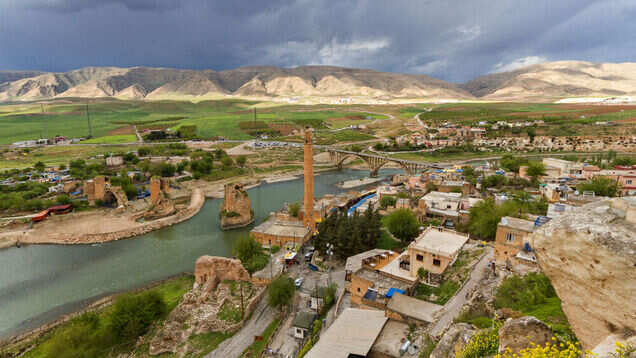
The dam water has now come close to the shores of the town located at the end of the bridge; it has already destroyed some houses on the shores and no human is allowed to get close. Only the residents are allowed inside, who are there to collect their belongings.
It is believed that once the dam is filled with water, the region would become a hot tourist spot. There would be ferries for tourists between the new town to the old town (whatever remains above the water).

closecomments

Be the first one to review.
We have sent you a verification email. To verify, just follow the link in the message
end of article

Visual Stories
10 pretty Indian villages to visit this year-end

8 castles in Germany straight out of a fairy-tale

8 tiger reserves every wildlife enthusiast should visit in India

10 animals that are easily spotted in Ranthambore National Park

How to prepare for a night safari in India?

9 rare animals to spot in the Western Ghats and where to find them



Trending Stories
This American state is known as the ‘Rainbow Capital of the World’; what travellers must know before planning a trip here
IMD warns of intense heatwaves and heavy rain across these popular tourist regions in India; what travellers need to know
10 items travellers are not allowed to carry in hand baggage (number 5 might surprise you)
10 underrated wildlife destinations in Asia that are less crowded than popular safari parks
India’s most scenic monsoon road trips: safety tips travellers should know




Comments (0)