
- News
- lifestyle
- travel
- destinations
- World Environment Day 2026: 5 eco-tourism destinations in India that are saving nature while welcoming travellers
World Environment Day 2026: 5 eco-tourism destinations in India that are saving nature while welcoming travellers
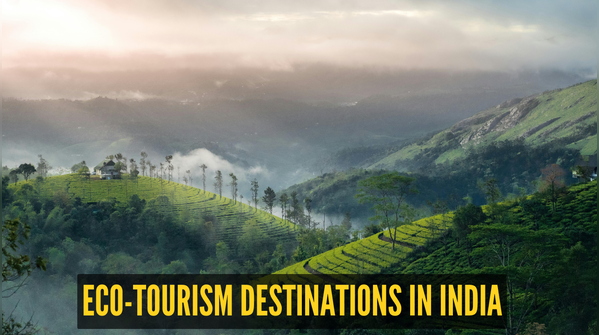
World Environment Day 2026: 5 eco-tourism destinations in India that are saving nature while welcoming travellers
With daily headlines about overtourism, hill-station landslides, and mounting trash, a quieter, alternative travel model is taking root across India. These destinations prove that exploring nature doesn't have to destroy it.
Eco-tourism is a concept that has been growing as a solution to these problems. Which means more than just hiking trails, and spending time around nature. It means actively protecting the ecosystem, giving locals a voice and make sure that tourism is benefiting these people as well, and giving back something to the nature while we take a lot from it. Across India, there are places that have turned environmental protection into a habit.
Here are five places that proves travel and conservation can go hand in hand.
Image Credit: Canva
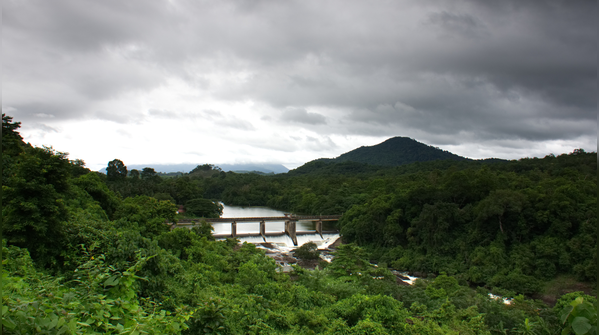
Thenmala, Kerala
Located in the Western Ghats in Kerala’s Kollam district, Thenmala is India’s first planned eco-tourism destination.
Instead of letting tourism grow unchecked until it became a problem, the Kerala government set up the Thenmala Ecotourism Promotion Society (TEPS) from the start. The goal was simple, allow visitors in without wrecking the forests.
To keep foot traffic from overwhelming any single spot, the area is split into Culture, Leisure, and Adventure zones. You can do everything from mountain biking and guided forest hikes to wandering through sculpture gardens. Right next door, the Shendurney Wildlife Sanctuary keeps the conservation focus strong. They cap the size of trekking groups, strictly regulate boating, and run focused projects like deer rehab centers and butterfly gardens.
By generating local jobs and protecting regional biodiversity, Thenmala has racked up awards globally and domestically. Even twenty years later, it serves as the blueprint for how to build a destination right the first time.
Image Credit: Canva
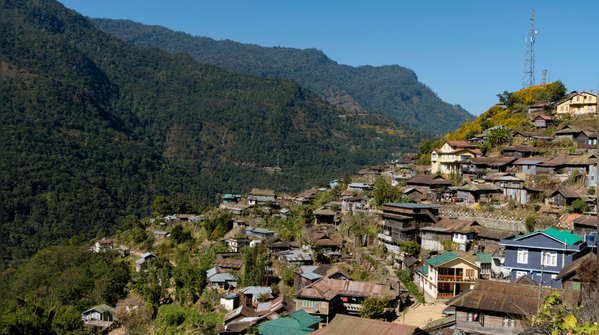
Khonoma, Nagaland
Roughly 20 kilometers from Kohima sits Khonoma, frequently called India's first green village. But it didn't get that title overnight.
For generations, hunting was a core part of the local culture here. By the late 1990s, though, aggressive hunting and heavy logging had decimated the local wildlife. The wake-up call hit in 1998 when the residents realized they were rapidly losing their natural heritage.
The village made a massive collective pivot. They banned logging and hunting entirely, setting up the Khonoma Nature Conservation and Tragopan Sanctuary. The main goal was saving the endangered Blyth's Tragopan (Nagaland's state bird), but it sparked a wider movement. The Angami community here also relies on traditional alder-based, terraced farming, which naturally fertilizes the soil without relying on chemicals. Because of these shifts, the area is now home to nearly 200 bird species and a massive variety of plants. The UN World Tourism Organization has even backed Khonoma in its tourism village program.
Image Credit: Canva
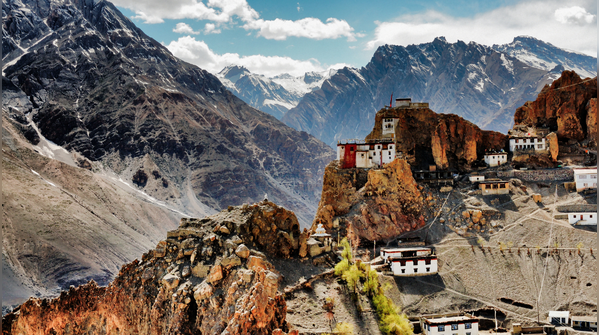
Spiti Valley, Himachal Pradesh
Spiti Valley is famous for its high-altitude desert landscapes and ancient monasteries. But beneath the surface aesthetics is a localized fight against climate change, largely spearheaded by a social enterprise called Ecosphere.
Instead of pushing standard hotel tourism, Ecosphere built a network of community-run homestays and volunteer travel setups. Travelers who come here don't just sightsee; they help build solar-powered greenhouses and work on water conservation. One of their biggest moves has been constructing artificial glaciers and water-harvesting systems to help local villages survive highly unpredictable snowfall.
They've also hit the plastic problem hard by setting up water refill stations to cut down on single-use bottles. Add to that the revival of sea buckthorn, a tough native shrub locals used to ignore. Now, the berries are turned into profitable products, bringing in cash while encouraging people to protect the plants.
Image Credit: Canva

Mangalajodi, Odisha
Located on the northern edge of Asia's biggest brackish water lagoon, Chilika Lake, this area used to be a massive hub for bird poaching. For decades, local families relied on hunting migratory birds just to make a living.
By the late 90s, the bird population declined, and the wetland was in serious trouble. Things only shifted when conservationists started working directly with the villagers to find them another way to make money. They trained the poachers to be boat operators and bird guides.
Today, the same families who hunted the birds are their fiercest protectors. The bird numbers have bounced back in a big way, with hundreds of thousands of migratory birds returning every year. It's now a major destination for researchers and photographers globally, proving that you can completely flip a local economy from extraction to conservation.
Image Credit: Canva
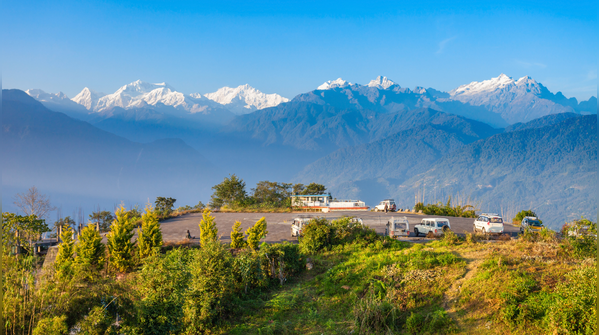
Yuksom, Sikkim
Well before "sustainability" was a trendy marketing term, Sikkim was actively restricting plastic and writing strict environmental policies. Yuksom, sitting in West Sikkim, perfectly reflects that mindset. As the main gateway to the Khangchendzonga National Park, the village eventually hit the same wall most popular mountain towns face, too many trekkers leaving behind too much trash.
To fix this, locals formed the Khangchendzonga Conservation Committee (KCC) back in 1996. They built a tourism model focused heavily on homestays rather than massive hotels, meaning the money spent by hikers goes straight into the pockets of the families hosting them. Yuksom's biggest claim to fame now is its aggressive zero-waste strategy.
They manage plastic waste closely and make sure visitors know the rules. It's also been a great job creator, with local youth stepping into roles as nature guides and educators, and women leading many of the homestay operations. Today, it stands as a prime example of how everyday village life and high-traffic tourism can coexist without burying the landscape in garbage.
Image Credit: Canva
Featured In lifestyle

