
- News
- lifestyle
- travel
- things-to-do
- 5 unique temples in India where bringing the ‘prasad’ home is not allowed and recommended
5 unique temples in India where bringing the ‘prasad’ home is not allowed and recommended
5 unique temples in India where bringing the ‘prasad’ home is not allowed and recommended
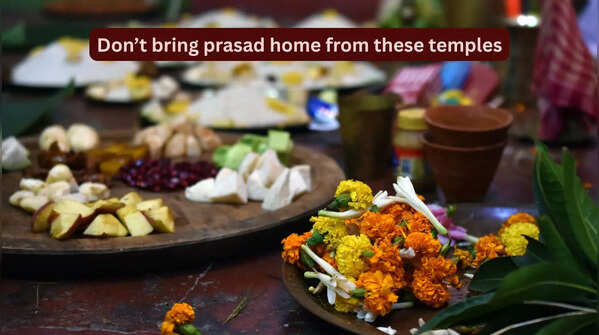
Temples in India are not just religious or spiritual spaces. Some of the Indian temples have been attracting travellers from all over for their golden history, stunning architecture and unique practices. But practice remains unchanged, bringing prasad back for relatives and neighbours. It’s almost a ritual in itself. Be it the famous laddus of Tirupati or the mahabhog of Puri, devotees often carry these blessed offerings back as a symbol of divine blessings.
But did you know that not every temple in India follows this tradition. There are a handful of shrines in India which have unique traditions where devotees are advised not to take prasad home. Among these, some are strict about this rule. It’s unbelievable but true. These practices are rooted in centuries-old beliefs and local legends that continue to intrigue pilgrims and travellers alike.
A look at five temples in India where travellers are advised not to take prasad back home:
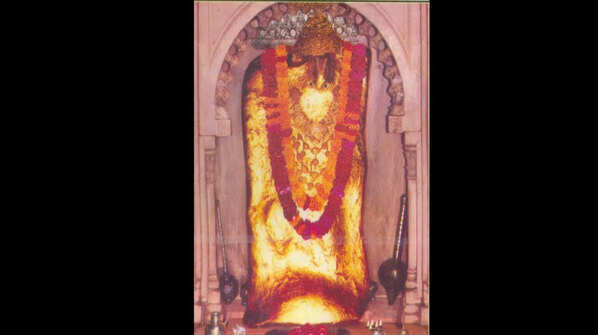
Mehandipur Balaji Temple, Rajasthan
Now Mehandipur Balaji remains one of the most mysterious temples in India. It attracts curious travellers from all over. It is believed that devotees seeking healing from negative energies are cured here. The temple is dedicated to Lord Hanuman in his Balaji or kid form. The moment you enter the premises, you’ll see rituals associated with the removal of evil influences.
And then comes the strict custom around prasad which most first-time visitors find surprising. Devotees here are advised not to carry prasad back home or any food items. It is believed that offerings made during rituals symbolically absorb negative energies that devotees wish to leave behind. Locals say that taking these home is believed to risk carrying those unwanted negative influences back with them. Pilgrims are generally encouraged to consume the prasad within the premises or leave it behind.
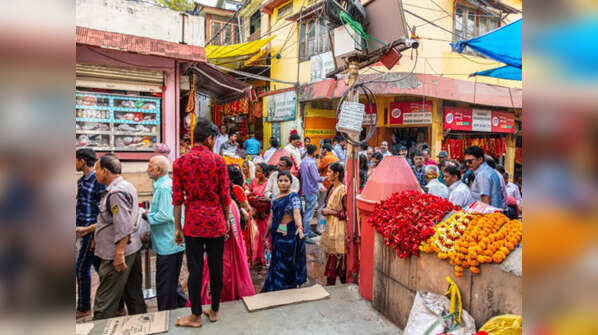
Kamakhya Temple, Assam
Kamakhya Temple is situated atop Nilachal Hill overlooking Guwahati. It is one of the most significant Shakti Peethas in India renowned for Tantric worship. The rituals followed here are different from those at conventional Hindu temples. Many offerings distributed here are meant for consumption at the temple premises, especially the famous Ambubachi Mela, when the Devi is said to go through her three-days menstrual cycle.
Local traditions believe that these offerings are deeply sacred and carry unique energy and that’s why people should avoid carrying certain sacred offerings home. For travellers, Kamakhya offers a glimpse into one of India's most unique religious traditions.
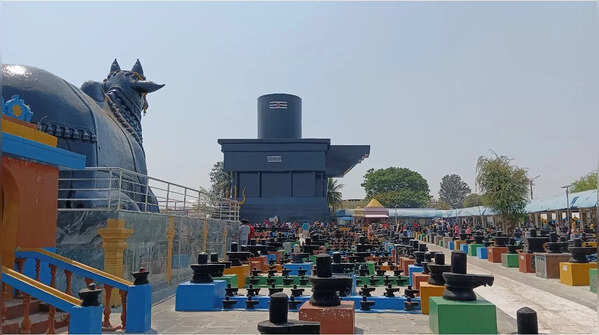
Kotilingeshwara Temple, Karnataka
Kotilingeshwara Temple is known for being home to millions of Shiva lingas. It is one of the most unusual religious attractions in India attracting curious travellers. But there is an intriguing local belief surrounding prasad. As per temple tradition, offerings made here are considered to belong symbolically to Chandeshwara, a devotee of Lord Shiva. Because of this association, many devotees believe that the prasad should not be taken away or consumed casually.
(PC: Canva)
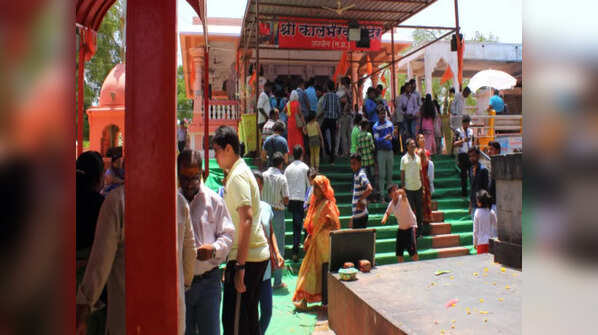
Kaal Bhairav Temple, Madhya Pradesh
The Kaal Bhairav Temple in the ancient city of Ujjain is another most intriguing religious site in the country. The temple is dedicated to Kaal Bhairav, a fierce form of Lord Shiva and devotees offer liquor to the deity, another unique fact.
The ritual has fascinated pilgrims, and curious travellers for ages now. But many visitors don't know that offerings made to Kaal Bhairav are generally not treated like conventional temple prasad. As per local traditions, the liquor and other ritual offerings are meant exclusively for the deity and devotees do not carry these offerings back home.
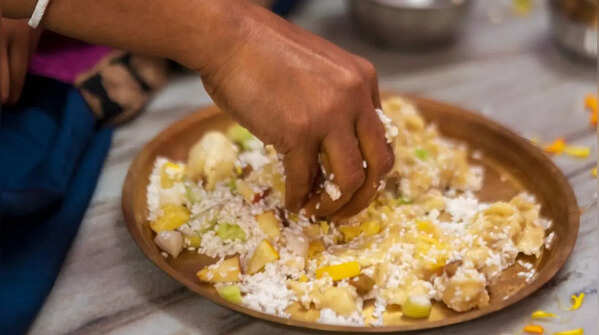
Naina Devi Temple, Himachal Pradesh
Not many must be aware that carrying the prasad of Naina Devi Temple in Bilaspur, Himachal Pradesh back home is not recommended. Set high in the Shivalik Hills, it is one of the Shatipeetha shrines in India. The shrine is linked with several local customs and one among them is the belief that certain offerings made to the goddess should remain here only. While practices may vary, many continue to follow the traditional guidance of not carrying prasad home.
(PC: Canva)
Featured In lifestyle

MORE FROM ETIMES
life & style