The Colosseum
The Colosseum


Synopsis
The most famous symbol of Rome, despite the crowds and the touts still one of the world's greatest monuments. A breathtaking achievement in terms of Roman engineering and an architectural icon, Rome's Anfiteatro Flavio (better kn … Read more
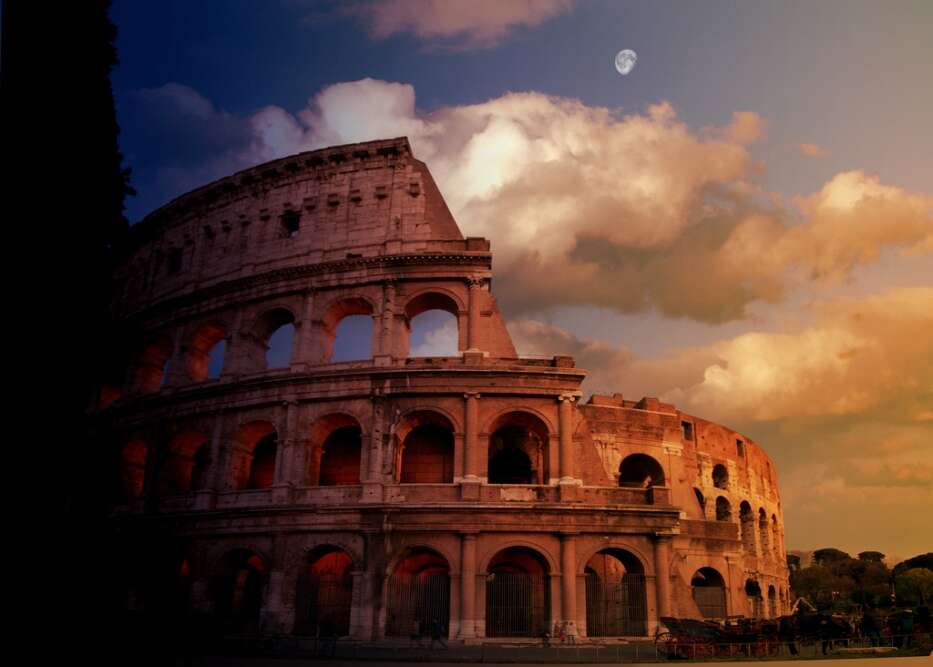 The most famous symbol of Rome, despite the crowds and the touts still one of the world's greatest monuments. A breathtaking achievement in terms of Roman engineering and an architectural icon, Rome's Anfiteatro Flavio (better known as the Colosseum) boasts a colourful, theatrical history of events to rival any other. It began in 80AD, when the main structure of the building was finally completed under Emperor Titus, and it was used to stage dramatic, bloody gladiatorial fights and games, and public executions. Records written by a historian of the time indicate that nine thousand animals were killed in the Colosseum during the very first games held there. Less violent forms of entertainment were also presented, such as re-enactments of glorious battles, celebratory spectacles such as epic fights or hunts, and Classical dramas. The building was damaged by fire in the year 217, almost destroyed by earthquakes in 443 and 1349, converted into a cemetery in the 6th century, rented out as residential and commercial real estate in the 12th century and occupied as a castle in the 13th century. It was used variously as a bull-fighting ring, a source of building materials and very nearly as a wool factory, until it was consecrated in 1749 and gradually restored. The awesome structure has stood more than the test of time and has accumulated an incredibly varied collection of personal stories as well as reflecting a national one. Colosseum ghost stories passed down through generations tell of unjustly slaughtered gladiators who return by night to re-enact their final moments in combat and invisible chariots that rattle and race across the long-vanished sand. Visitors have described hearing words spoken in Latin, the shouts of petty criminals slaughtered at the whim of the watching crowd and the cries of wounded animals, and many have reported seeing disappearing audience members and shadowy Roman guards silhouetted against the sky—images so evocative that they seem to represent the ghost of the Roman Empire itself.
closecomments

Be the first one to review.
We have sent you a verification email. To verify, just follow the link in the message
end of article
Next story
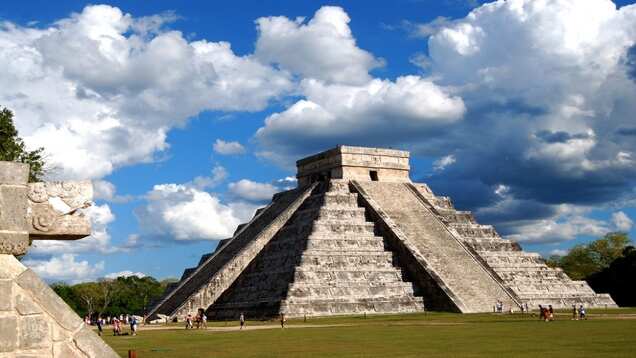
Chichen Itza
Visual Stories
10 pretty Indian villages to visit this year-end
8 castles in Germany straight out of a fairy-tale

8 tiger reserves every wildlife enthusiast should visit in India

10 animals that are easily spotted in Ranthambore National Park
How to prepare for a night safari in India?

9 rare animals to spot in the Western Ghats and where to find them


Trending Stories
10 busiest airports in the US: Why millions of travellers pass through them
This village in India is known as the Cobra Capital of India - but there's a twist for travellers
From Delhi to Kerala: IMD forecasts rain, hail and thunderstorms across these Indian states; what travellers need to know
This hill town is the most ‘peaceful’ in India: 5 reasons why travellers are choosing silence over anything else
'We spent ₹10 lakh for our 30-day trip in India': American couple's travel budget shocks the internet; here's where the money actually went




Comments (0)