Dolmabahçe Palace
Dolmabahçe Palace
You're Reading


Synopsis
Located on the European side of the Bosphorus Strait, the Dolmabahçe Palace served as a residential quarter and administration centre for Ottoman empire in the late 19th century.
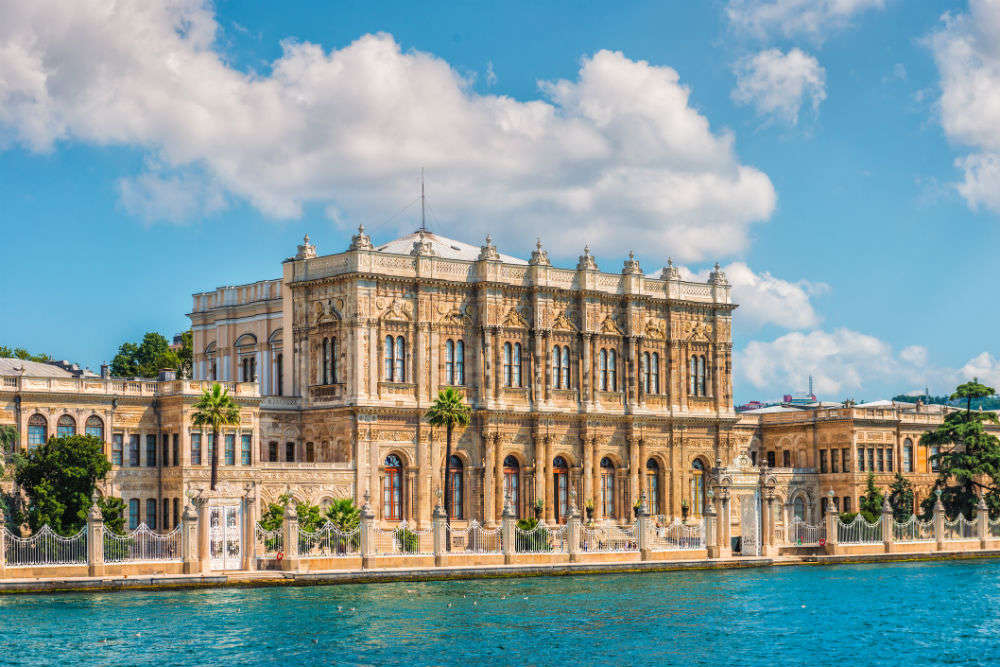 Located on the European side of the Bosphorus Strait, the Dolmabahçe Palace served as a residential quarter and administration centre for Ottoman empire in the late 19th century. Built around 1850, the palace was commissioned by Sultan Abdülmecid I. The royal family moved to Dolmabahçe as Topkapi Palace lacked the luxury and comforts devoured by European monarchs. The palace exterior is a unique example of Neo classical, Baroque blending with Ottoman Islamic architecture. The palace contains 285 rooms, 46 halls, 6 hammams and 68 toilets. The palace is divided in two parts; one is the public area known as Selamlık where the sultan would attend the court and meet guests and diplomats, while the other area is known as Haremlik that contained family quarters and royal residence. The Grand Crystal Staircase leads to the public quarter. The lavishly decorated Ceremonial Chamber along with the grand crystal chandelier is the highlight of Selamlık. The 4000 kg Bohemian chandelier is considered the largest crystal chandelier in the world and requires 750 bulbs to light it. The Harem, Pink Room and Blue Room are the highlights of Haremlik. The sea facing royal residences are covered exquisitely with marbles, onyx and gilded panels. Walk along the Bosphorus shore and admire the 500 m long facade of Ottoman legacy. A tour inside the palace will reveal Turkish royals’ craving for the European lifestyle.
closecomments

Be the first one to review.
We have sent you a verification email. To verify, just follow the link in the message
end of article
Next story
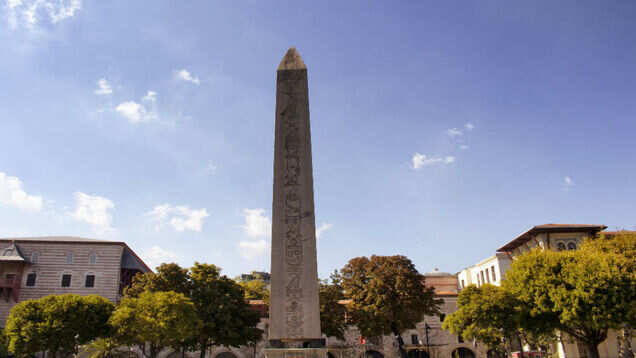
Hippodrome
Visual Stories
10 pretty Indian villages to visit this year-end
8 castles in Germany straight out of a fairy-tale
8 tiger reserves every wildlife enthusiast should visit in India
10 animals that are easily spotted in Ranthambore National Park
How to prepare for a night safari in India?
9 rare animals to spot in the Western Ghats and where to find them
Also Read


Trending Stories
10 items travellers are not allowed to carry in hand baggage (number 5 might surprise you)
10 underrated wildlife destinations in Asia that are less crowded than popular safari parks
India’s most scenic monsoon road trips: safety tips travellers should know
Visiting the “Cobra Capital of India”; what travellers need to know about the home of the world’s longest venomous snake
From family albums to ‘Instagram reels’: How social media completely changed the way we travel




Comments (0)