Reasons why Dudhwa National Park should be on your winter wish list


 Credit: iStock Credit: iStock |
01
Reasons why Dudhwa National Park should be on your winter wish list
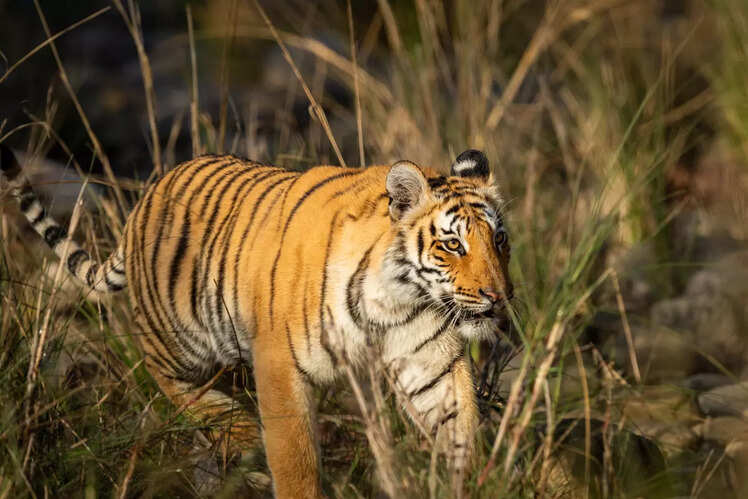
Up in the Terai belt of Uttar Pradesh lies Dudhwa National Park, stretched over an area of 490.3 sq km, 190 sq km of which is a buffer zone. The park, also a tiger reserve, lies very close to the Indo-Nepal border in Lakhimpur Kheri District.
Read more: Reasons why you need to have Sundarbans National Park in your travel bucket list
Billy Arjan Singh, the iconic hunter-turned-conservationist, played a tremendous role in establishing Dudhwa as a national park. In 1977, due to his relentless efforts in the conservation of the forest and its denizens, the area was declared a national park. And in 1987, Dudhwa National park, along with Kishanpur Wildlife Sanctuary and Katarniaghat Wildlife Sanctuary, became Dudhwa Tiger Reserve. Ever since, Dudhwa has been a safe home to many species of flora and fauna. However, many years before that, in 1958, Dudhwa was first established as a wildlife sanctuary for the barasingha or the swamp deer.
Here are some of the reasons why Dudhwa National Park should be on your winter travel wish list.
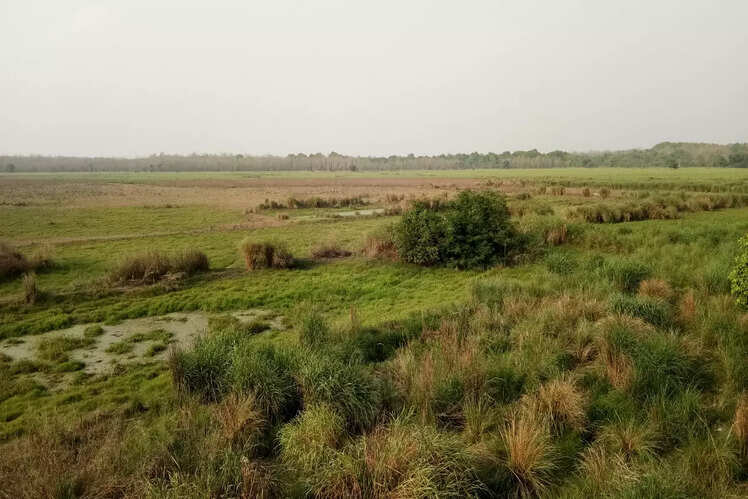 Photo by: Rajesh.chansausi, Creative Commons Attribution Licence Photo by: Rajesh.chansausi, Creative Commons Attribution Licence |
02
The real OG of conservation
Dudhwa National Park extensively and exclusively works towards the conservation of the Terai ecosystem. The grassland areas, which are now facing the threat of extinction all across the country due to the rapidly developing urban spaces, are protected aggressively here.
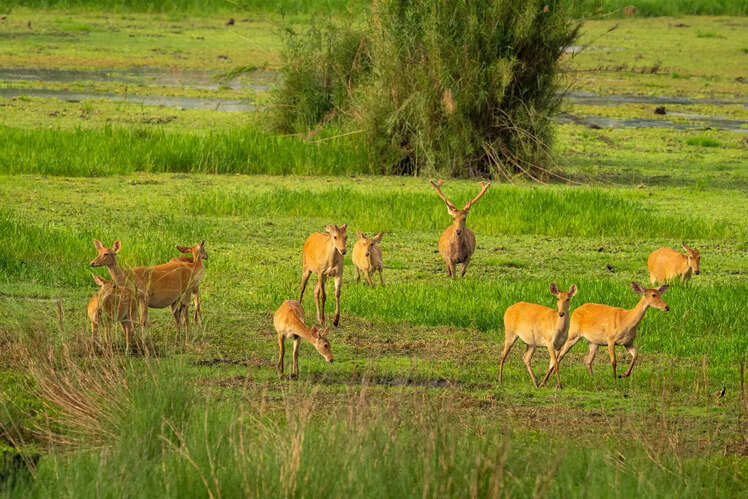
The marshy grassland is a fantastic habitat for so many species, especially the endangered swamp deer; and the dry tall riverine grassland of Dudhwa is one of the last habitats of the Critically Endangered Bengal Florican.
 Credit: iStock Credit: iStock |
03
Conservation of the bigger kinds
The Big Five of Dudhwa – Bengal tiger, Asian elephant, barasingha or the swamp deer, gharial, and one-horned rhinoceros, are the stars of Indian wildlife. Though all of them are in the endangered list of species, they have found a home in Dudhwa.
 Credit: iStock Credit: iStock |
04
Dudhwa National Park’s sweet success story
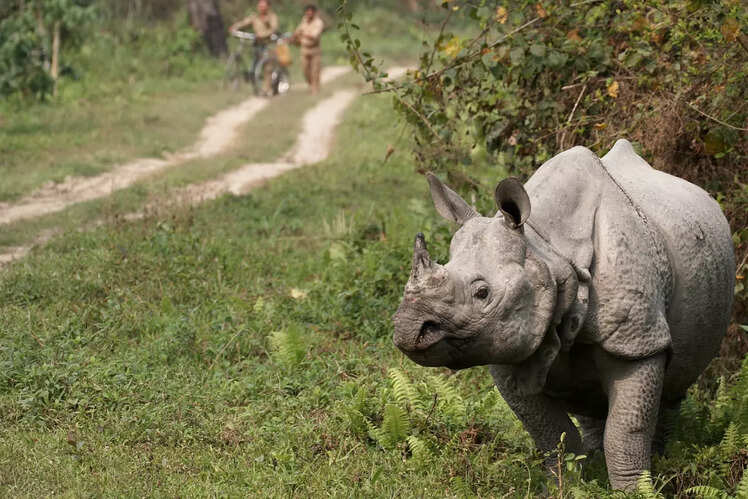
One of the biggest success stories at Dudhwa National Park is the re-introduction of the one-horned rhinoceros. There was a time when the original rhino population was completely wiped out from the face of Uttar Pradesh. Reason being – poaching. Then in 1984, five rhinos were brought to Dudhwa, all the way from Assam, under the Rhino Rehabilitation Project.
After a few failures and more careful handling of the rhinos, fast forward several decades, Dudhwa is now home to more than 42 rhinos in the wild.
 Credit: iStock Credit: iStock |
05
Dudhwa, a birding paradise
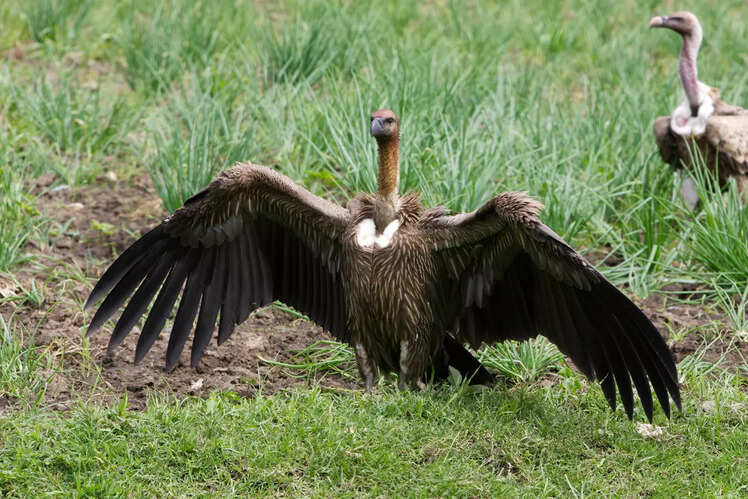
With more than 350 species of birds, Dudhwa National Park and Tiger Reserve is every birder’s favourite field. Of all the bird species found in the area, migratory and residents, the most important ones are the critically endangered white-rumped vultures, Bengal florican, swamp francolin and the great slaty woodpecker.
The region is home to hundreds of species of migratory birds, including the famous Amur falcons.
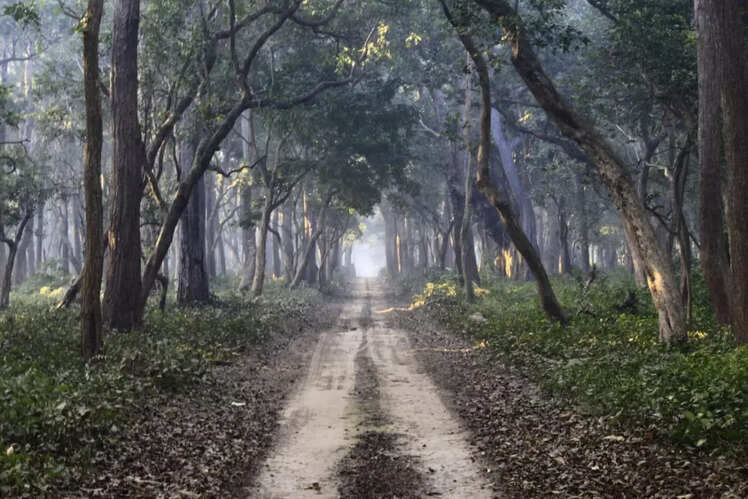 Photo courtesy: Precious Rongmei Photo courtesy: Precious Rongmei |
06
One of the most beautiful forests in India
When we say Dudhwa forest is beautiful, it is said with utmost sincerity. Most of the forests in the plains of northern and central India look similar in appearance. All are beautiful, no doubt, but similar in appearance. Whereas in Dudhwa, you will be surprised by the variety.
One time you are passing forest trails with giant sal trees, so tall that sun rays are barely penetrating the foliage; the next moment you come to vast open rolling grasslands with river banks full of crocodiles. The tall elephant grass hiding the elephants and tigers from the plain sight is a totally different experience to have.
Visual Stories
Right arrow
Travel
10 pretty Indian villages to visit this year-end

Travel
8 castles in Germany straight out of a fairy-tale
Travel
8 tiger reserves every wildlife enthusiast should visit in India
Travel
10 animals that are easily spotted in Ranthambore National Park
Travel
How to prepare for a night safari in India?

Travel
9 rare animals to spot in the Western Ghats and where to find them

Travel
10 must-visit Indian cities starting with the letter ‘V’
Travel
From tigers to caracals: Top destinations in Rajasthan to spot big cats
Travel
10 things to know before going on a tiger safari in Tadoba-Andheri Tiger Reserve

Travel
8 deadliest snakes that live in the forests of Amazon
Join Us On FacebookClose

closecomments

Be the first one to review.
We have sent you a verification email. To verify, just follow the link in the message
Trending Stories
5 national parks in the USA perfect for wildlife lovers and the best time to visit them
Where to see the Sleeping Buddha that everyone is talking about? Everything travellers need to know
From Shiva's Kashi to Krishna's Dwarka: 10 Indian cities and their patron deities
India's most significant hills, and why every traveller should visit them
Ravi Bridge reopens: After long months of disruption, Jammu Rail Services are back on track; here's what it means for travellers
“Koi mat aana yaha pe”...Kedarnath Dham pilgrim shares her harrowing experience of visiting Kedarnath Dham
“They told me not to come to Bihar”: American traveller busts myths as his Darbhanga journey wins hearts online
Which country is the 'Land of the Rising Sun' and what you need to know before visiting there
Last chance to spot tigers: These Indian national parks are closing for the monsoon season in June
Why this remote Japanese island keeps going viral–meet the island’s most unusual residents



Comments (0)