Nijo Castle
Nijo Castle


Synopsis
Constructed in 1603, Nijo Castle was initially the residence of Tokugawa Ieyasu, the very first shogun of the Edo Era. After the fall of the Shogunate, it was converted into an Imperial Palace and now stands as an important histor … Read more
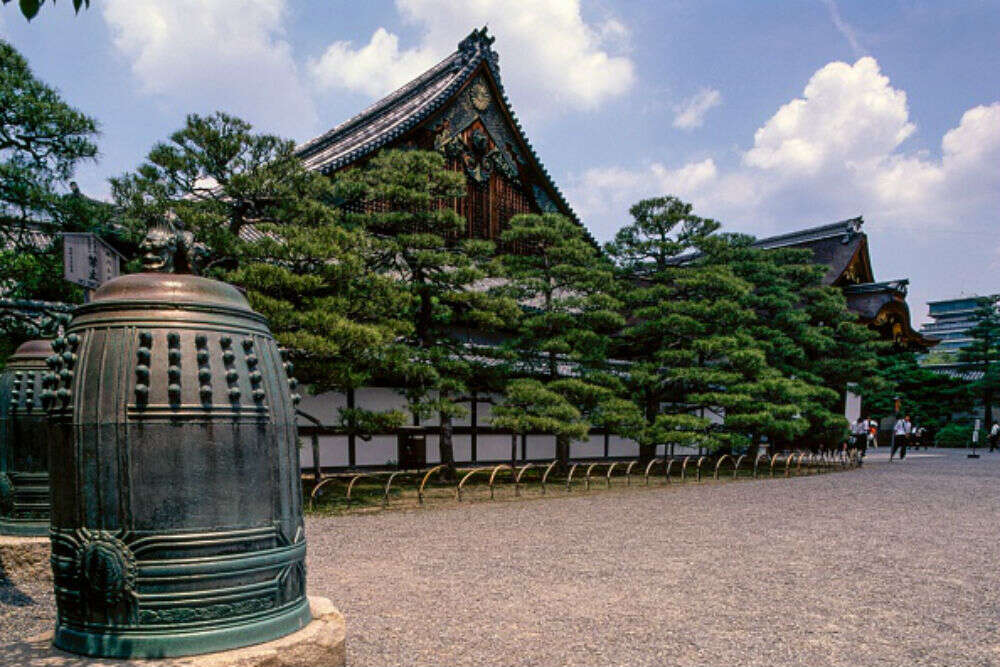 Constructed in 1603, Nijo Castle was initially the residence of Tokugawa Ieyasu, the very first shogun of the Edo Era. After the fall of the Shogunate, it was converted into an Imperial Palace and now stands as an important historic site in Kyoto. A fine example of Japanese architecture, especially those belonging to the feudal era, it is now a shining UNESCO World Heritage Site. Divided into three main areas, the castle grounds look almost fortified as moats and stone walls are all-encompassing and it is interesting to note that the castle survives to this date in its original form.
Entering the castle is like walking into the yellowed pages of history or perhaps an elaborate period film set. The rooms are replete with sliding doors and tatami mats, a signature element of Japanese interiors. The embellishments are intrinsically elegant and only VIP visitors are allowed into the main room where the shogun would once sit on an elevated platform. Commoners can only see the adjoining rooms and the picturesque gardens outside. The tree-lined walking paths and plum orchards of the Nijo Castle can bring out the poet in the most prosaic of people. Maple trees greet the premises with their presence during autumn and love seems to permeate the air. This is where you realize that there is something about Japan, something adorably inexplicable. A few minutes from the Nijojo-mae Station, this Castle is a must visit.

closecomments

Be the first one to review.
We have sent you a verification email. To verify, just follow the link in the message
end of article
Next story
Okochi-Sanso
Visual Stories
10 pretty Indian villages to visit this year-end

8 castles in Germany straight out of a fairy-tale

8 tiger reserves every wildlife enthusiast should visit in India

10 animals that are easily spotted in Ranthambore National Park

How to prepare for a night safari in India?

9 rare animals to spot in the Western Ghats and where to find them


Trending Stories
Meet the cutest ‘toll collectors’ in the Himalayas and why Zanskar deserves a spot on every traveller’s bucket list
Indian towns where clouds float through the streets
“In logo ko sharam nahi aati kya”: Indian tourists’ dance on Vietnam’s famous ‘Hanoi Train Street’ sparks online backlash
8 Indian destinations that come alive after monsoon rainfall and how to reach them
These Indian waterfalls come alive only during monsoon



Comments (0)