All about Keoladeo Bird Sanctuary, a UNESCO World Heritage Site


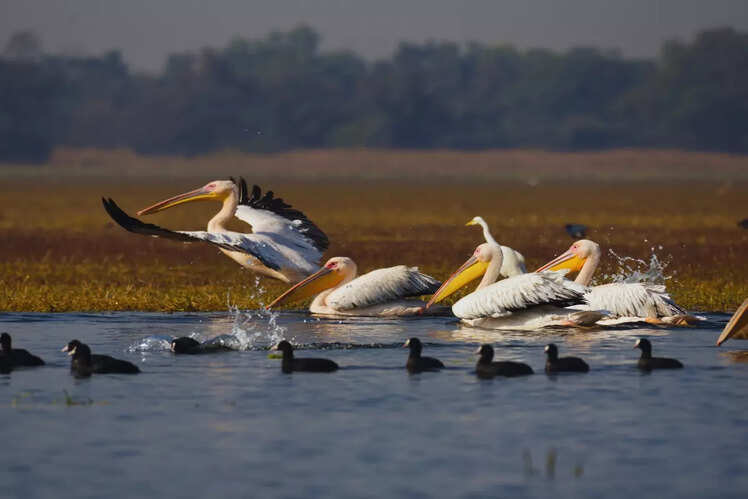 Photo courtesy: Canva Photo courtesy: Canva |
01
All about Keoladeo Bird Sanctuary, a UNESCO World Heritage Site
Keoladeo Bird Sanctuary, also known as Keoladeo National Park, is a renowned UNESCO World Heritage Site situated in the Bharatpur district of Rajasthan. It stands as one of the world's most important bird breeding and wintering grounds, attracting thousands of migratory birds each year. Here’s a closer look at the key aspects that make Keoladeo Bird Sanctuary a unique and vital natural habitat:
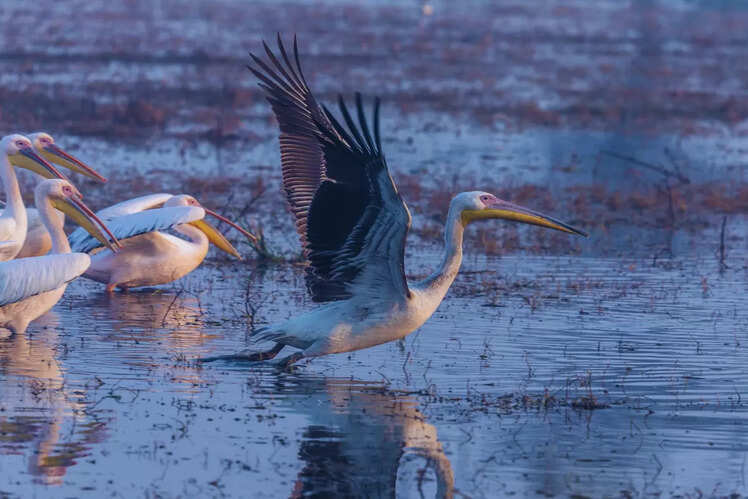 Photo courtesy: Canva Photo courtesy: Canva |
02
Location and accessibility
The sanctuary is located approximately 55 kilometers from Agra and 185 kilometers from Delhi, making it easily accessible by road, rail, and air. It is situated near the confluence of the Gambhir and Banganga rivers, and its proximity to major cities makes it a popular stop for tourists exploring the Golden Triangle of India, which includes Delhi, Agra, and Jaipur.
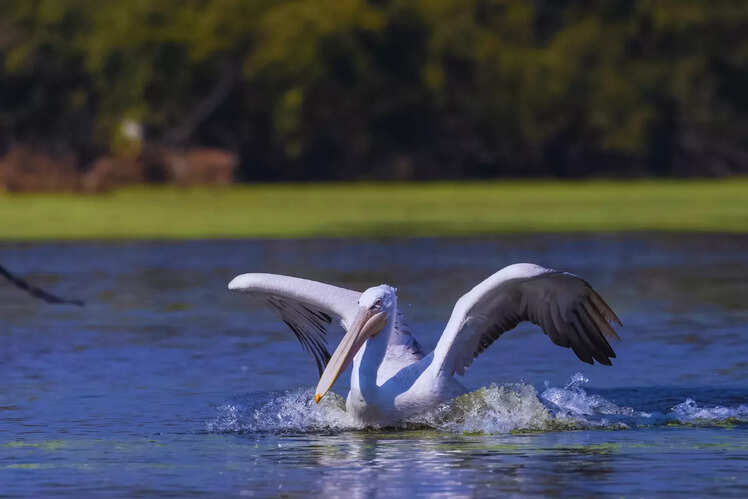 Photo courtesy: Canva Photo courtesy: Canva |
03
UNESCO World Heritage status
In 1985, Keoladeo was inscribed as a UNESCO World Heritage Site due to its exceptional role in bird conservation and as a haven for migratory species. The designation highlights its significance as a man-made wetland ecosystem that supports a wide variety of birdlife and serves as a wintering ground for thousands of migratory birds.
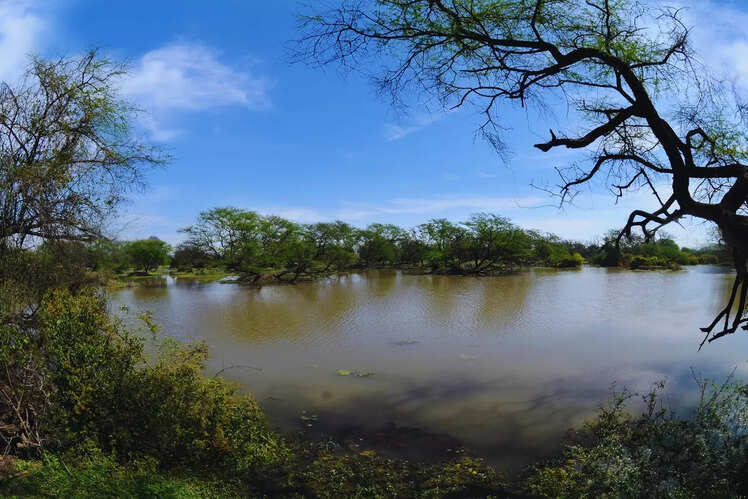 Photo courtesy: Canva Photo courtesy: Canva |
04
Origin story
The origins of Keoladeo Bird Sanctuary date back to the 18th century when it was developed as a hunting ground for the royal family of Bharatpur. The Maharajas constructed a series of dykes and embankments to create waterlogged areas that would attract waterfowl, providing a rich hunting ground. Over time, the park evolved into a conservation area, and in 1964, hunting was completely banned, paving the way for its development as a protected sanctuary.
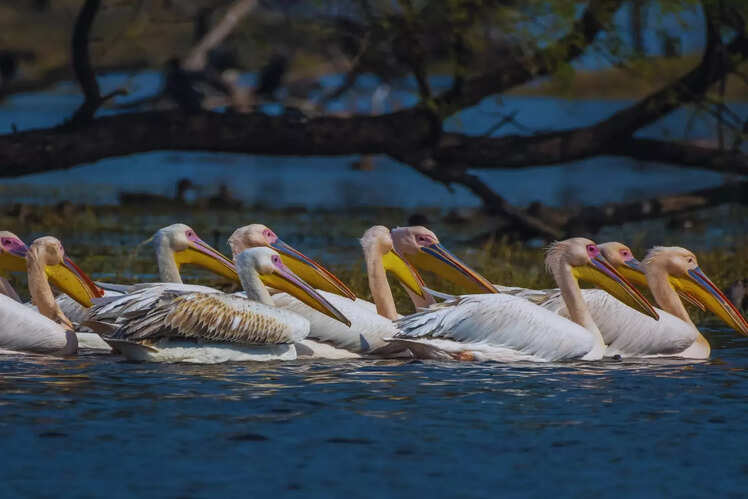 Photo courtesy: Canva Photo courtesy: Canva |
05
Ecological importance
Keoladeo Bird Sanctuary plays a crucial role in maintaining ecological balance, particularly as a wetland ecosystem. It serves as a refuge for many threatened and endangered species and is an essential site for scientific research, education, and conservation.
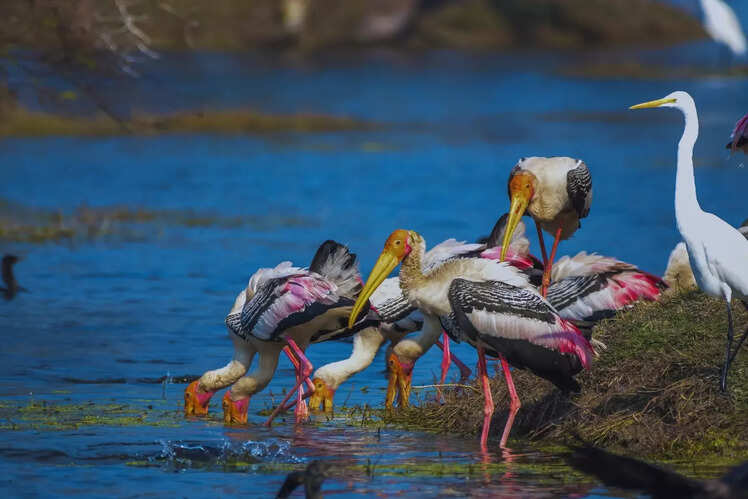 Photo courtesy: Canva Photo courtesy: Canva |
06
Rich avian biodiversity
The park is known for its incredible avian diversity, with over 370 recorded bird species, both resident and migratory. The Siberian crane, one of the rarest migratory birds in the world, once used the park as a wintering ground. While the Siberian crane is no longer seen at the park, other species like pelicans, storks, cranes, herons, and egrets are still common sights.
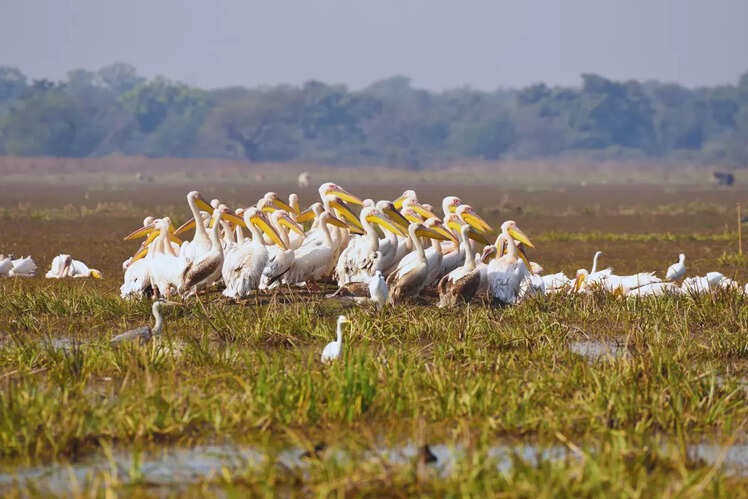 Photo courtesy: Canva Photo courtesy: Canva |
07
Best time to visit
The best time to visit Keoladeo Bird Sanctuary is between October and March. This is when the migratory birds from across the globe arrive. During these months, the sanctuary is filled with the sights and sounds of thousands of birds, making it a paradise for ornithologists and photographers
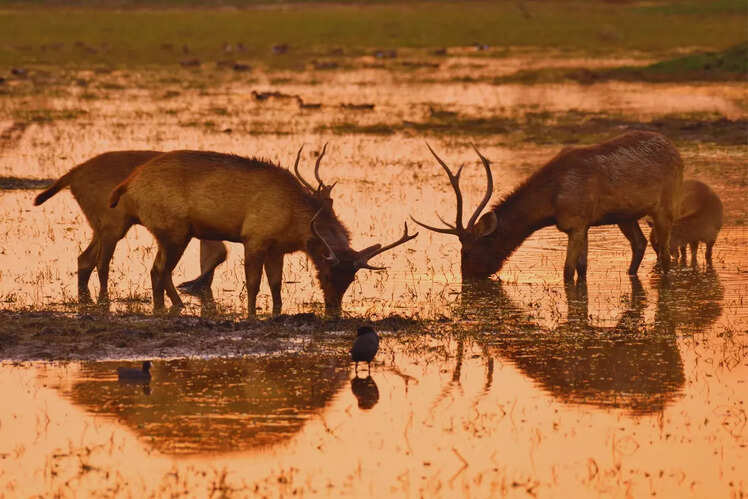 Photo courtesy: Canva Photo courtesy: Canva |
08
Wildlife beyond birds
While Keoladeo is primarily known for its birdlife, it is also home to various mammal species like the spotted deer, nilgai (blue bull), sambar, wild boar, and jackals. Reptiles such as Indian pythons, monitor lizards, and various species of turtles are also found in the park, adding to its biodiversity.
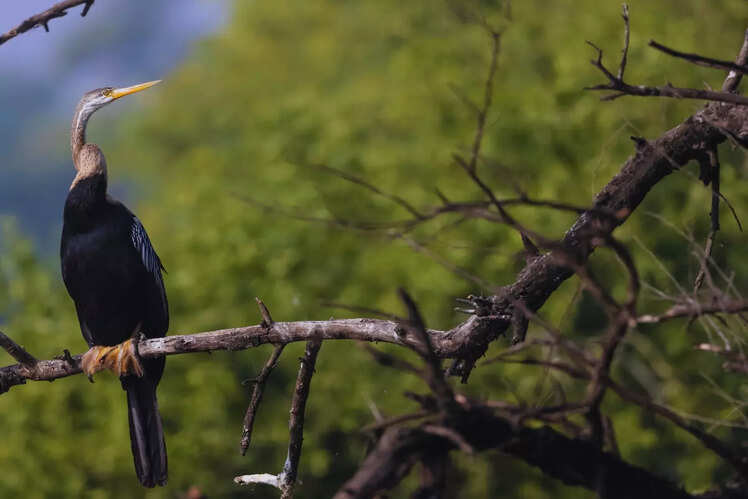 Photo courtesy: Canva Photo courtesy: Canva |
09
Conservation challenges
Despite its protected status, Keoladeo Bird Sanctuary faces several challenges, including water scarcity, habitat degradation, and encroachment. Irregular monsoon patterns have sometimes led to drought conditions, affecting the wetland's ability to support migratory birds.
Visual Stories
Right arrow
Travel
10 pretty Indian villages to visit this year-end

Travel
8 castles in Germany straight out of a fairy-tale

Travel
8 tiger reserves every wildlife enthusiast should visit in India

Travel
10 animals that are easily spotted in Ranthambore National Park
Travel
How to prepare for a night safari in India?

Travel
9 rare animals to spot in the Western Ghats and where to find them

Travel
10 must-visit Indian cities starting with the letter ‘V’
Travel
From tigers to caracals: Top destinations in Rajasthan to spot big cats

Travel
10 things to know before going on a tiger safari in Tadoba-Andheri Tiger Reserve

Travel
8 deadliest snakes that live in the forests of Amazon
Join Us On FacebookClose

closecomments

Be the first one to review.
We have sent you a verification email. To verify, just follow the link in the message
Trending Stories
Where is it raining in India? IMD warns of heavy rain in key tourist destinations; what travellers need to know
The ‘civic sense’ debate is back—and a viral video of Indian tourists from Annapurna is the reason why
10 busiest airports in the US: Why millions of travellers pass through them
This village in India is known as the Cobra Capital of India - but there's a twist for travellers
From Delhi to Kerala: IMD forecasts rain, hail and thunderstorms across these Indian states; what travellers need to know
This hill town is the most ‘peaceful’ in India: 5 reasons why travellers are choosing silence over anything else
'We spent ₹10 lakh for our 30-day trip in India': American couple's travel budget shocks the internet; here's where the money actually went
This is the only Jyotirlinga temple in Jharkhand and why it draws millions of pilgrims every year
From reversing waterfalls and doorless homes; Maharashtra’s most unique wonders every curious traveller should experience
Meet the cutest ‘toll collectors’ in the Himalayas and why Zanskar deserves a spot on every traveller’s bucket list



Comments (0)