6 reasons why Dudhwa National Park is a hidden wildlife gem


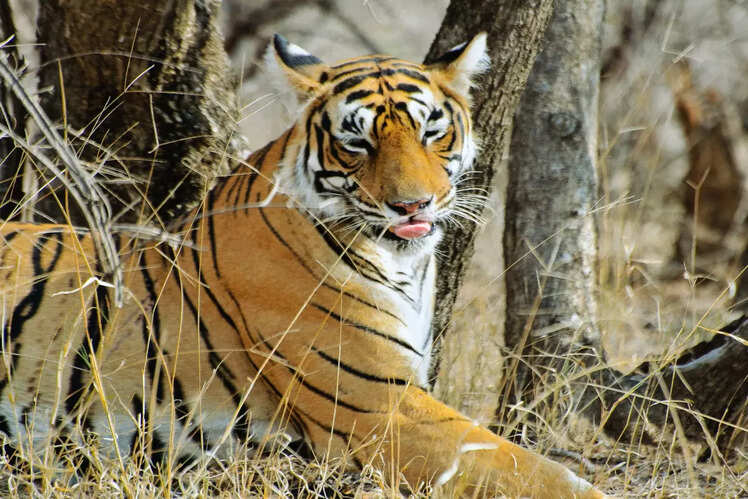 Photo courtesy: Canva Photo courtesy: Canva |
01
6 reasons why Dudhwa National Park is a hidden wildlife gem
Dudhwa National Park is a lesser-known treasure trove of wildlife and natural beauty. The park is often overshadowed by India’s more famous national parks like Jim Corbett National Park, Bandhavgarh National Park, Ranthambore National Park to name a few. But if you are someone who is interested in a wildlife holiday that's far from the hustle and bustle of the cities, and overcrowding by tourists, Dudhwa offers a serene and intimate experience.
Here are six reasons why wildlife and nature enthusiasts should make plans for Dudhwa National Park right now.
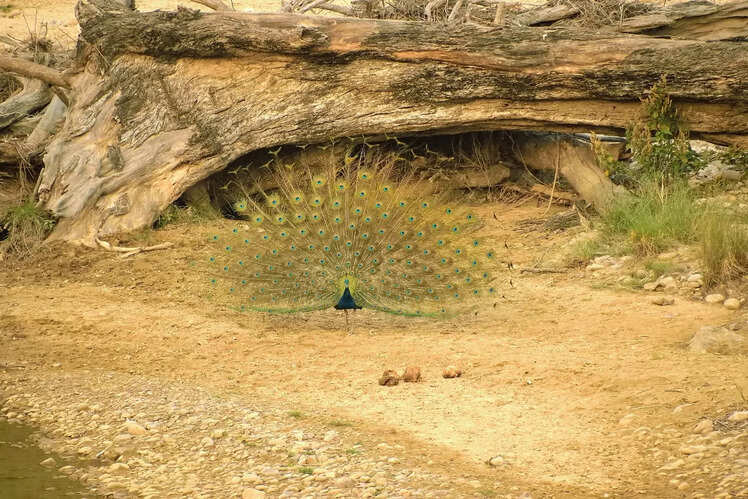 Photo courtesy: Canva Photo courtesy: Canva |
02
Rich biodiversity
Dudhwa offers a mix of grasslands, marshes, and dense Sal forests that support a wide range of flora and fauna. The park is also home to 450 species of birds, making it a paradise for birdwatchers. Visit the park for rare birds like the Bengal Florican, Great Slaty Woodpecker, and the Sarus Crane.
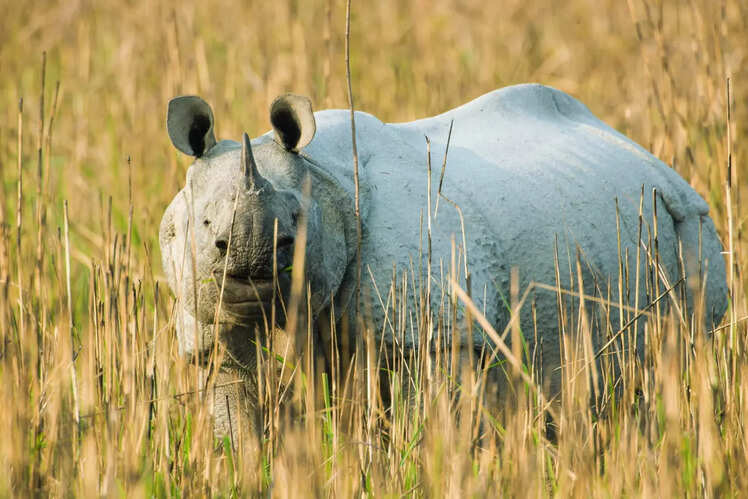 Photo courtesy: Canva Photo courtesy: Canva |
03
Reintroduction of one-horned rhinoceroses
One of Dudhwa’s greatest achievements is its role in the conservation of the one-horned rhinoceros. Rhinos were declared extinct in this region due to poaching and habitat loss. In the 1980s, a small population of rhinos was translocated to Dudhwa from Assam under a groundbreaking reintroduction program. Today, the rhinos have a stable population in the park.
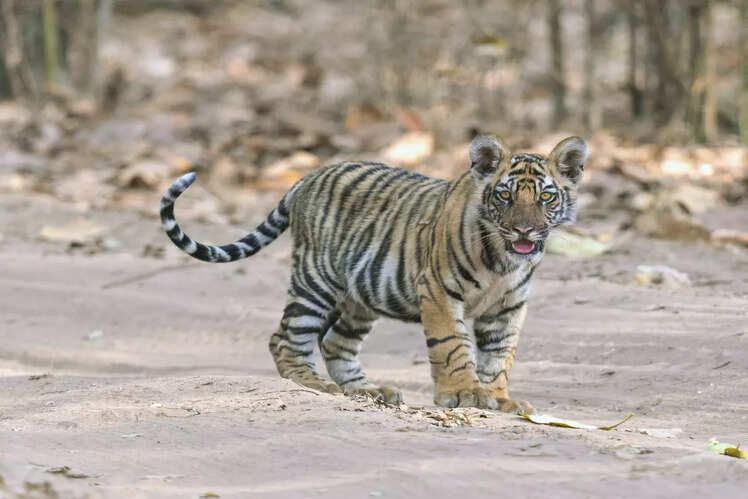 Photo courtesy: Canva Photo courtesy: Canva |
04
Sanctuary for tigers and leopards
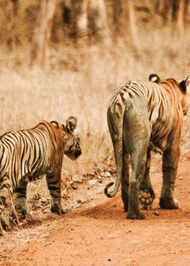
Dudhwa is part of Project Tiger, India’s flagship tiger conservation program, and has a significant population of Bengal Tigers. The dense forest cover and extensive grasslands provide an ideal habitat for these majestic predators.
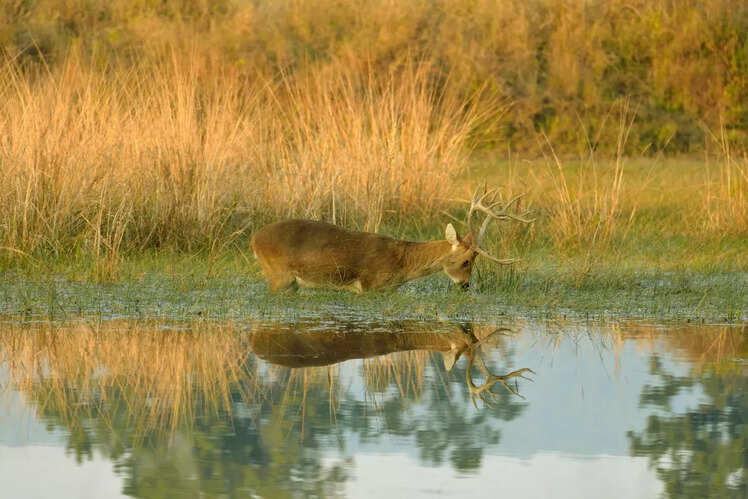 Photo courtesy: Canva Photo courtesy: Canva |
05
Rare and endangered species
The park is one of the last safe homes for the hispid hare, a critically endangered species of rabbit found in tall grasslands. It also supports the barasingha (swamp deer), which thrives in the park’s wetlands, as well as the fishing cat, an elusive predator that relies on the park’s water bodies for sustenance. These unique species highlight the ecological importance of Dudhwa’s diverse habitats.
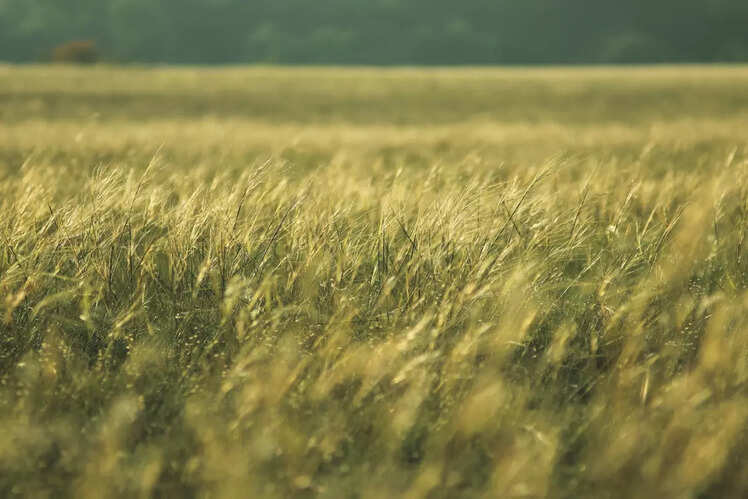 Photo courtesy: Canva Photo courtesy: Canva |
06
Mystique of the terai ecosystem
The Terai region is an ecologically rich area characterised by its marshy grasslands and dense forests. Here, the Himalayas and the Indo-Gangetic Plains meet and create a stunning landscape of rivers, wetlands, and forested hills. The park’s serene beauty, enhanced by the misty mornings and the sounds of wildlife, offers a truly immersive experience.
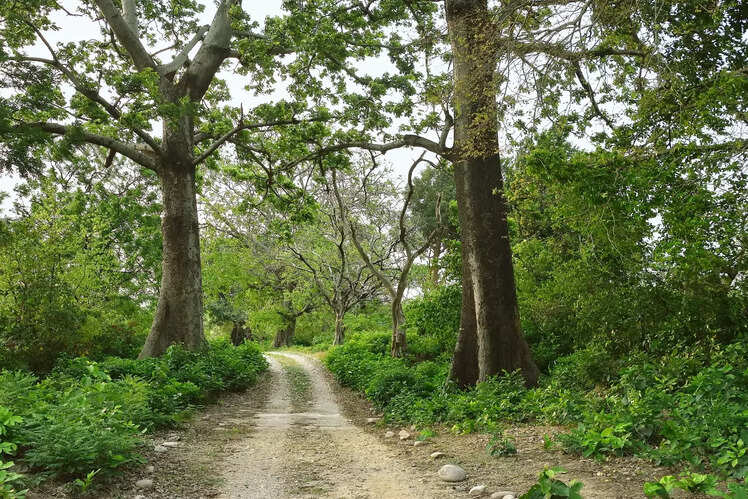 Photo courtesy: Canva Photo courtesy: Canva |
07
Undisturbed and offbeat destination
Unlike well-known parks such as Jim Corbett or Ranthambore, Dudhwa remains relatively off the beaten path. Its remote location and limited tourist infrastructure mean fewer visitors, which translates into a peaceful and undisturbed environment. For wildlife enthusiasts seeking solitude and a closer connection to nature, Dudhwa provides an authentic wilderness experience far from the hustle of more commercialised parks.
Visual Stories
Right arrow
Travel
10 pretty Indian villages to visit this year-end

Travel
8 castles in Germany straight out of a fairy-tale
Travel
8 tiger reserves every wildlife enthusiast should visit in India
Travel
10 animals that are easily spotted in Ranthambore National Park
Travel
How to prepare for a night safari in India?

Travel
9 rare animals to spot in the Western Ghats and where to find them

Travel
10 must-visit Indian cities starting with the letter ‘V’
Travel
From tigers to caracals: Top destinations in Rajasthan to spot big cats
Travel
10 things to know before going on a tiger safari in Tadoba-Andheri Tiger Reserve

Travel
8 deadliest snakes that live in the forests of Amazon
Join Us On FacebookClose

closecomments

Be the first one to review.
We have sent you a verification email. To verify, just follow the link in the message
Trending Stories
India's most significant hills, and why every traveller should visit them
Ravi Bridge reopens: After long months of disruption, Jammu Rail Services are back on track; here's what it means for travellers
“Koi mat aana yaha pe”...Kedarnath Dham pilgrim shares her harrowing experience of visiting Kedarnath Dham
“They told me not to come to Bihar”: American traveller busts myths as his Darbhanga journey wins hearts online
Which country is the 'Land of the Rising Sun' and what you need to know before visiting there
Last chance to spot tigers: These Indian national parks are closing for the monsoon season in June
Why this remote Japanese island keeps going viral–meet the island’s most unusual residents
9 stunning places to visit in Lahaul Valley after crossing the Atal Tunnel in Himachal Pradesh
In photos: The unseen corners of Majuli, the world's largest river island
'Dear Guests From India'; why a Swiss hotel's notice shared by Harsh Goenka is sparking a bigger conversation about travel etiquette



Comments (0)