

- News
- Speaking Tree News
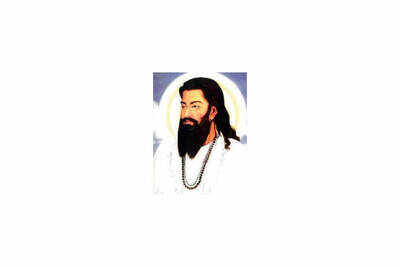
- The Cobbler Saint
This story is from January 27, 2018
The Cobbler Saint
End of Article
Follow Us On Social Media

Hot Picks
Top Trending
Explore Every Corner
Across The Globe
IND vs WI Live ScoreCam SkatteboTaylor Swift MarriageKay AdamsRussell WestbrookTaylor Swift New SongTravis Kelce ExLeon DraisaitlStephen Curry WifeSerena Williams HusbandNBA Trade RumorsBradley WigginsLos Angeles LakersAlica SchmidtKorean Streamer Yoon Ji-ahAja WilsonAndre Agassi DaughterTop Diwali Stocks 2025Bill BelichickBlake LivelyOperation SindoorMaulana TauqeerAlex PereiraTyson FuryTravis Kelce ExIndian Army DG EME Group C Recruitment 2025H 1B VisaMarco RubioTravis Hunter WifeNobel Prize 2025
Hot on the Web
Fatty Liver DiseaseHeart Health TipsColon CancerDementiaOptical IllusionInfinity Walking BenefitsOrryCleanse ArteriesDiabetes SymptomsParentingWorld Happiest CountryDiwali Week 2025Natasa StankovicEiffel Tower ClosedWalking Health BenefitsLokah Chapter 1: Chandra OTTBeetroots For Kidney HealthMahieka SharmaAsia Beer Challenge 2025Heart HealthClover Water BenefitsFoods For SkinMagnesium SupplementsHypertension Reducing FoodsHeart AttackKantara Box Office CollectionSunny Sanskari Ki Tulsi Kumari CollectionDe StressIdli Kadai Box Office CollectionOG Box Office CollectionElephant Safari National ParkBrass Vs Copper UtensilsSkincare TipsBest Time To Drink Coconut WaterNight Drinks That Boost MetabolismInterstellar Comet 3I/ATLASRoasted Chana For DiabetesWeight LossInfluencer Junior DutraDiwali AI Photo PromptsFatty Liver Drink
Trending Topics
India vs West IndiesCeasefire in GazaConnor McDavid WifePatrik LaineMark SanchezSuper Hero Action GamesMikko RantanenMohammed KaifSai SudharsanSSC CGL Re Exam Admit CardRohit SharmaJohn CenaJalen HurtsRicky Hatton FuneralCoach Andre TourignyKevin DurantConnor McDavidBrady TkachukMAGA MeltdownHaryana IPS Suicide CaseSameer WankhedeAmitabh BachchanI Love Muhammad RowVarinder Singh GhumanDonald TrumpH1b New RestrictionsS JaishankarEmmanuel MacronLewis HamiltonVarinder Ghuman DeathBihar Election DateSridhar VembuJeff BezosElon MuskJamie DimonGTA 6Nyt ConnectionsWordle TodayArm Ceo Rene HaasMira MuratiJensen HuangRohit Sharma Buys Tesla
Popular Categories
HeadlinesSports NewsBusiness NewsIndia NewsWorld NewsBollywood NewsHealth+ TipsIndian TV ShowsTechnologyTravelEtimesHealth & FitnessDelhi Gold Rate TodayNumerology Number 1 HoroscopeChinese Horoscope PredictionsAstrologyWeather TodayPlatinum Rate TodaySilver Rate TodayGold Rate TodayIs Bank open todayIs Bank Open TomorrowBank Holidays in SeptemberPublic Holidays in SeptemberStock Market HolidaysNFL ScheduleTechnology NewsInternational SportsPublic HolidaysBank Holidays
Trending Videos
Russia's New Missiles Outsmart Western Defences; Ukraine Struggles To Counter Deadly ThreatRussia Exposes Foreign Mercs Killed In Ukraine, Putin Fumes Over U.S. InvolvementMike Jhonson 'Exposes' Democrats On Day 10 Of US Govt Shutdown | WatchAmitabh Bachchan Turns 83: Prabhas, Shatrughan, Srijit And Others Shower Birthday WishesSergio Gor Calls Meeting With PM Modi 'Incredible', Says ‘Trump Considers Him Great Friend’Alia Bhatt Likely To Join Prabhas In 'Kalki 2898 AD' Sequel After Deepika Padukone ExitDeepika Padukone Appointed India’s First Mental Health Ambassador; Ranveer Singh Expresses PrideLuminous Edge Go 1500 Review: Power, Music & Mobility in One DeviceRekha Turns 71: Hema Malini Shatrughan Sinha And Others Celebrate The Mystic DivaNATO Nation’s Opposition Leader Reveals Europe’s Weakness | ‘EU Is Afraid Of China, Russia & U.S.’‘GO TO HELL!’: Hamas Co-founder Loses Cool At Arab TV Anchor Over This Question On Gaza | Watch‘Lies After Lies’: Asaduddin Owaisi Slams Amit Shah Over Remarks On Population And Infiltration‘Rethink Policy Or...’: China Warns After Trump Opens 'Russian Airspace Front' Amid Tariff WarAkshay Kumar Stuns With Emotional 'Teri Mitti' Performance At 'Mera Desh Pehle' Event In GujaratTrump ‘DESTROYS’ Nobel Peace Committee, Claims Venezuelan Winner Dedicated Prize To Him | WatchDefense Cites Idaho Killer Bryan As Charlie Kirk’s Alleged Assassin Fights For Fair Trial LookAmerican Troops Land In Gaza Backyard Hours After Hamas Rejects Trump Surrender Call, Int'l Control‘Adult Content’: Akhilesh Yadav Questions Facebook Account Suspension; Minister Denies Govt Role
Latest News
Joe Biden’s cancer battle: Former US president undergoing treatment; spokesperson confirms radiation, hormone therapyHistoric! South Africa, featuring Gerald Coetzee, Quinton de Kock, Nandre Burger, fall to Namibia in first-ever international clashBilateral reset: India, Canada explore new growth avenues as ministers meet; clean tech and minerals on focusKaziranga field director wins global conservation awardAssam SIT awaits Singapore nod to Zubeen death evidence accessJharkhand government allocates Rs 48.7 crore for modernization of key bus terminals in RanchiMP killer syrup row: IMA Tamil Nadu chapter slams arrest of doctor, demands stringent regulations and quality checkMeet the rare, two-headed snake that has one heart and two brains!What happens when you consume a piece of garlic every day: 5 powerful benefitsPisces, Weekly Horoscope, October 12 to October 18, 2025: Studies, romance, and intuition lead the wayDaily Health Horoscope Today, October 12, 2025: These zodiac signs will reconnect body and mind by eveningUnion steel secretary warns Bokaro Steel Limited: Address delays to retain market shareWWE Crown Jewel 2025 (10-11-2025) Results and Highlights: Bronson Reed defeats The OTC, Seth Rollins and Stephanie Vaquer are champions, and MoreOpenAI’s startup boss to European companies: Americans are "almost shameless" when ...Demography Mission to protect identity: Assam chief ministerStephen Curry’s hilariously savage prank on Gary Payton II steals the show at Golden State Warriors’ open practiceAnthropic CEO meets PM Modi, says India central to shaping future of AI‘Truth cannot be imprisoned’: Arvind Kejriwal condemns arrest of AAP Gujarat leader Raju Karpada; slams BJP
Copyright © 2025 Bennett, Coleman & Co. Ltd. All rights reserved. For reprint rights: Times Syndication Service