
- News
- Science News
- In 1934, Julian Hill pulled a sticky polymer into a thread and helped bring nylon to everyday life
In 1934, Julian Hill pulled a sticky polymer into a thread and helped bring nylon to everyday life
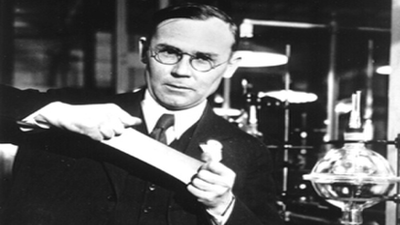
Early research into synthetic materials at the DuPont laboratory. Image Credit: Wikimedia Commons
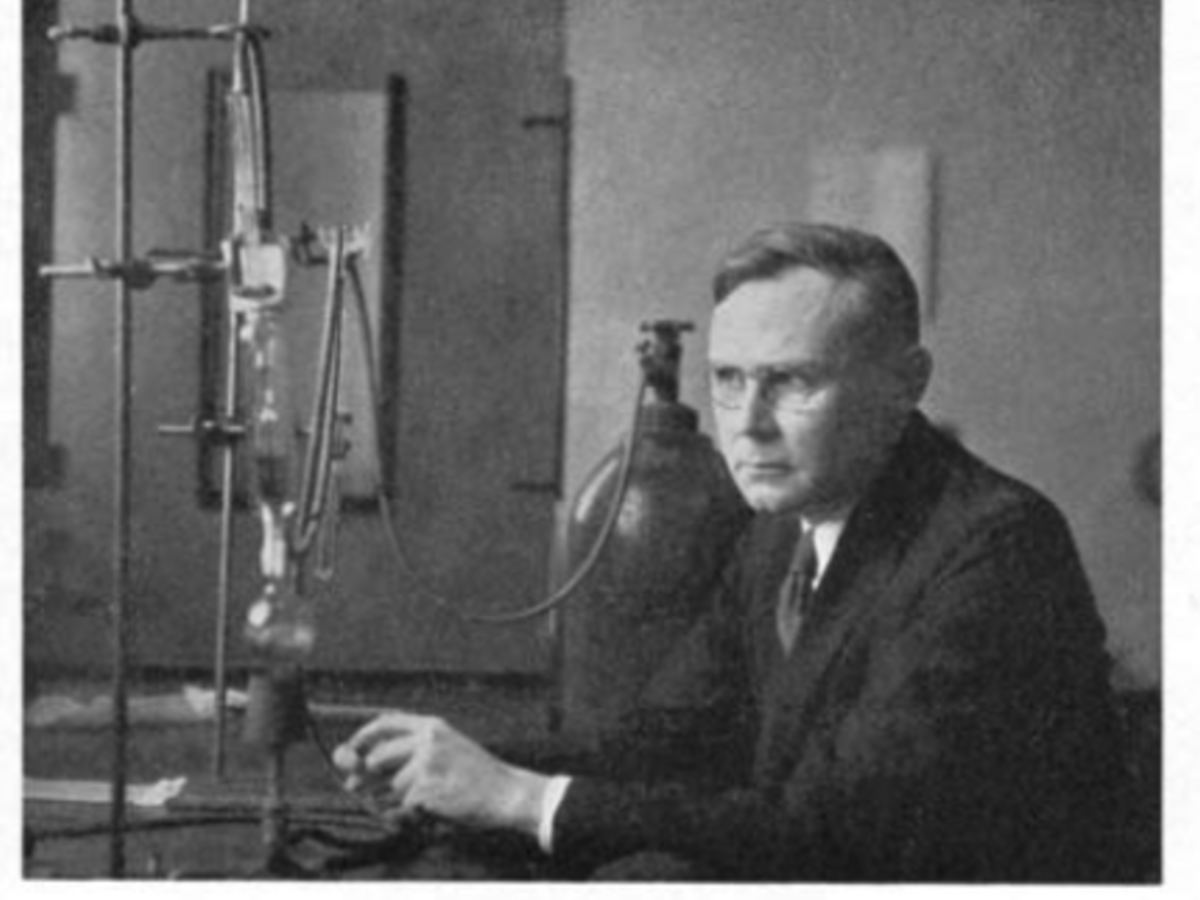
Wallace H. Carothers, pioneer chemist behind nylon's rise! image credit: wikimedia commons

About the AuthorTOI Science Desk
End of Article
Follow Us On Social Media

Hot Picks
Top Trending
Tired of too many ads?go ad free now
Trending Stories
In Section
Entire Website
- US-Israel-Iran War Live Updates: Trump demands changes to Iran pact, pushes for stricter Hormuz terms
- PAK vs AUS, 2nd ODI Live: Australia eye big total after being put in to bat
- How Sooryavanshi combined Kohli & Gayle to produce greatest IPL season
- End of an era: From Messi to Ronaldo, 13 football legends who could be playing their final World Cup
- Brooklyn landlord says he lost $325,000 as tenant stayed without paying rent
- 'Aligning with traitor': Mamata Banerjee attacks TMC rebels seeking to join Suvendu Adhikari's government
- Delhi jobseeker says he spent ₹14,000 flying to Hyderabad for interview, only to be rejected in 10 mins
- Twisha Sharma case: Giribala Singh accuses lawyer of assaulting son in court
- Desi jugaads during heatwaves: India’s battle against 45°C temperatures
- West Bengal BJP shuts doors on TMC rebels, vows to prevent 'Trinamoolisation'
- US-Israel-Iran War Live Updates: Trump demands changes to Iran pact, pushes for stricter Hormuz terms
- PAK vs AUS, 2nd ODI Live: Australia eye big total after being put in to bat
- How Sooryavanshi combined Kohli & Gayle to produce greatest IPL season
- End of an era: From Messi to Ronaldo, 13 football legends who could be playing their final World Cup
- Brooklyn landlord says he lost $325,000 as tenant stayed without paying rent
- 'Aligning with traitor': Mamata Banerjee attacks TMC rebels seeking to join Suvendu Adhikari's government
- Delhi jobseeker says he spent ₹14,000 flying to Hyderabad for interview, only to be rejected in 10 mins
- Twisha Sharma case: Giribala Singh accuses lawyer of assaulting son in court
- Desi jugaads during heatwaves: India’s battle against 45°C temperatures
- West Bengal BJP shuts doors on TMC rebels, vows to prevent 'Trinamoolisation'
Tired of too many ads?go ad free now



Explore Every Corner
Across The Globe
PAK vs AUSMamata BanerjeeUS Iran WarAnthropic IPOKansas City ChiefHardik PandyaCBSE answer bookCBSE 12 re-evaluationCBSE OSMDelhi TemperatureIndia-Oman trade agreementBhopal RapeK Annamalai ResignationCUET UG 2026 admit cardsJEE Advanced TopperUKPSC PCS final resultFortnite Chapter 7 Season 3 Release DateTwisha SharmaMike VrabelVaibhav SooryavanshiRajat PatidarVirat KohliFrench Open 2026Delhi jobseekerLalit ModiIndian Navy Agniveer ApprenticeMelinda French GatesConor McGregorPablo GaviFIFA World Cup Squad

Hot on the Web
Gaurav GeraLalit ModiTP AggarwalSuriyaDridam OTT ReleaseTrisha KrishnanMini MathurTraditional Desi DrinksUnique Sea SnakesPankaj BhadouriaVarun DhawanCocktail 2 TrailerTripti DimriAnushka SharmaNarendra ModiBarack Obama QuoteRakesh BediSpider Man Brand New DayPM Modi DietSalman KhanDrishyam 3 Box Office CollectionKaruppu Box Office CollectionBlast Box Office CollectionPati Patni Aur Woh Do Box Office CollectionChand Mera Dil Box Office CollectionKattalan Box Office CollectionAnupam KherBharat S. ShrinateVaibhav SooryavanshiHoroscope TodayMahmud Sadis BubaParveen ShaikhUS Powerball LotteryGemini AI Prompts For EidOla Compensation CaseINS KolkataNyt ConnectionsMercedes Benz G580Jellyfish That Never DiesGoogle Release MosquitoesDelivery Firm Refund DeniedCaptions For Instagram Posts
Trending Topics
Virat KohliWorld Cup 2026K AnnamalaiCockroach Janta PartyVaibhav SooryavanshiPV SindhuSigmund FreudSerena WilliamsTravis KelcesJosh JacobsKylian MbappeUP Kabaddi Player MurderBengal Forgery CaseBhopal RapeSuvendu AdhikariRamesh ChennithalaHeatwave North IndiaUK student MurderMohammad YousufEbola bengaluruIran WarDonald TrumpIowa ShootingStrait of HormuzDave FijiRussia Ukraine WarFlorida OpenAI SuedIvanka TrumpTrump Netanyahu SplitPakistan DebtMeta AI HackersSam AltmanFlorida Sues OpenAISundar PichaiAmazon MusicJensen HuangAsus ProartMeta LayoffsGarena Free Fire MAX Redeem CodesPeroxide CodesGenshin Impact Codes
Popular Categories
HeadlinesSports NewsBusiness NewsIndia NewsWorld NewsInternational SportsHealthIndian TV ShowsBreaking NewsTravelTOI Home Decor AwardsAstrologyDeorhiAutoTechnology NewsGold Rate TodayWeather TodaySilver Price TodayDelhi Weather TodayPetrol Price TodayDiesel Price TodayCNG Price TodayLPG Price TodayPetrol Price MumbaiDelhi AQIIs Bank Open TodayMumbai AQI TodayIs Bank Open TomorrowPublic Holidays in JuneBank Holidays in June
Trending Videos
India Issues Formal Request To France For 114 Rafale Fighter Jets In ₹3.25 Lakh Crore Defence DealMatt Brown's Tragic End Sparks Questions About Addiction, Family, And His Last DaysTrump ACCEPTS DEFEAT, Forced To BOW As GOP Allies Reject $1.8 Billion ‘Anti-Weaponsization’ FundGatta Kusthi 2 - Official TeaserHip Hip Hurray - Official TeaserSalman Khan sends legal notice to Kaala Hiran makers over blackbuck case-inspired filmJindagi Once More - Official TrailerShahid Kapoor’s Funny Reaction Steals Show at Cocktail 2 EventShahid, Rashmika and Kriti Steal the Spotlight at Trailer LaunchGovinda Spotted in Cool Casual Look in the CityImtiaz Ali Spotted with Daughter in Rare AppearanceMahika Sharma makes a stylish appearance at the airportRam Charan Heads to Promotions for ‘Peddi’I.N.D.I.A Bloc Leaders To Meet June 8 In Delhi To Finalise Joint Strategy Against BJPTaapsee Pannu Reveals How Her Flat Tummy Obsession Took A Toll On Her 'Know BJP' Initiative Hosts Nepal RSP Leader As BJP Expands Global Political Dialogue'Michael Jackson: The Verdict' Trailer: Michael Jackson starrer 'Michael Jackson: The Verdict' Official TrailerFull Moon Serenity at Jagannath Temple, Puri
Latest News
Hazaribag man drowns while fishing in lake"Behen Darr Gayi!": Fans relive ‘Bhagam Bhag’ era after watching Akshay Kumar's 'Bhooth Bangla' trailerMBOSE HSLC result 2026 to release tomorrow: Check details hereIran war risk: JPMorgan CEO Jamie Dimon warns of oil shocks, sticky inflation and higher interest ratesMake your clutch last longer with these easy driving tips“Three-against-one situation”: El Rubius opens up on being “targeted” in MrBeast’s viral $1M challengeBihar BTSC lab assistant notification released for 1091 posts at btsc.bihar.gov.in; apply hereIPL craze costs techie Rs 1.46 lakh in fake RCB vs CSK ticket scamRaising “robot-proof” kids: Why creativity and curiosity matter more than everInside ‘Satguru Sharan’: Exploring Saif Ali Khan and Kareena Kapoor Khan’s Rs 100 crore Bandra homeHow selling Alaska in 1867 was a costly mistake for Russia'Hera Pheri 3 is coming': Paresh Rawal dismisses delay reports and reveals he will 'start shooting soon'US-Iran War: A daring rescue Hollywood blockbuster is on its way. Till then, pick your favourite from these 10 films on bringing someone home against all oddsKolkata team unveils fan mural at Rash Behari Avenue, celebrating city’s first loveHow US spread a lie to rescue a pilot of a jet shot down in IranNetflix unveils ‘VOID’, an AI model that can change a movie plotAI data centers are causing 'stress' not just to tech companies, but also private insurers"Trans women are.....": Clavicular’s viral moment with trans women sparks fresh conversation on internet culture
Copyright © 2026 Bennett, Coleman & Co. Ltd. All rights reserved. For reprint rights: Times Syndication Service