
- News
- Science News
- A 67-million-year-old T. rex named Gus could sell for up to $30 million at auction
A 67-million-year-old T. rex named Gus could sell for up to $30 million at auction
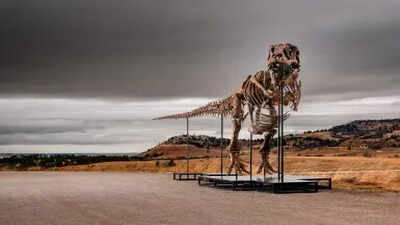
A colossal Tyrannosaurus rex skeleton, nicknamed Gus, is set to make waves at a major auction. Discovered on a South Dakota ranch, this remarkably preserved specimen, dating back 67 million years, boasts exceptional completeness. Image Credit: Matthew Sherman, Sotheby's
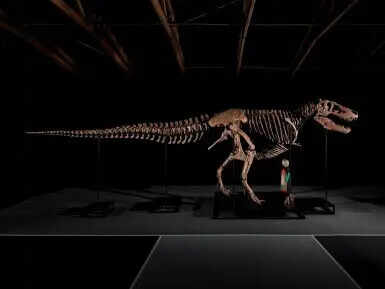
Experts estimate its value between twenty and thirty million dollars, sparking debate among palaeontologists about private ownership of such significant scientific finds. Image Credit: Matthew Sherman, Sotheby's

About the AuthorTOI Science Desk
End of Article
Follow Us On Social Media

Hot Picks
Top Trending
Tired of too many ads?go ad free now
Trending Stories
In Section
Entire Website
- US-Israel-Iran War Live Updates: Trump demands changes to Iran pact, pushes for stricter Hormuz terms
- West Bengal BJP shuts doors on TMC rebels, vows to prevent 'Trinamoolisation'
- Trump-Netanyahu split? Conflicting accounts of Israel's Lebanon operation emerge after 'heated' phone call
- 'People think I love to hit every ball, but ...': Vaibhav Sooryavanshi's answer after R Ashwin's tease goes viral
- ITR filing FY 2025-26: Top reasons salaried taxpayers should wait till mid-June to file income tax returns
- “Signed an absolute monster”: Kansas City Chiefs newcomer’s jaw-dropping transformation has NFL fans doing double takes
- "This is a 10-month relationship": Justin Herbert's romance with Madison Beer has NFL analyst seriously questioning his focus ahead of season
- Why was Jack Doherty arrested? Viral handcuff video sparks heated debate across social media
- Ella Buffin swaps England for Netherlands World Cup dream while Micky van de Ven steals spotlight
- Rafael Jodar faces new French Open kid mascot backlash while fans revisit ball girl controversy
- US-Israel-Iran War Live Updates: Trump demands changes to Iran pact, pushes for stricter Hormuz terms
- West Bengal BJP shuts doors on TMC rebels, vows to prevent 'Trinamoolisation'
- Trump-Netanyahu split? Conflicting accounts of Israel's Lebanon operation emerge after 'heated' phone call
- 'People think I love to hit every ball, but ...': Vaibhav Sooryavanshi's answer after R Ashwin's tease goes viral
- ITR filing FY 2025-26: Top reasons salaried taxpayers should wait till mid-June to file income tax returns
- “Signed an absolute monster”: Kansas City Chiefs newcomer’s jaw-dropping transformation has NFL fans doing double takes
- "This is a 10-month relationship": Justin Herbert's romance with Madison Beer has NFL analyst seriously questioning his focus ahead of season
- Why was Jack Doherty arrested? Viral handcuff video sparks heated debate across social media
- Ella Buffin swaps England for Netherlands World Cup dream while Micky van de Ven steals spotlight
- Rafael Jodar faces new French Open kid mascot backlash while fans revisit ball girl controversy
Tired of too many ads?go ad free now



Explore Every Corner
Across The Globe
Rick AdelmanSouth KoreaUS Iran WarAnthropic IPOKansas City ChiefHardik PandyaCBSE answer bookCBSE 12 re-evaluationCBSE OSMMalaysia social media banIndia-Oman trade agreementBhopal RapeK Annamalai ResignationCUET UG 2026 admit cardsJEE Advanced TopperUKPSC PCS final resultFortnite Chapter 7 Season 3 Release DateTwisha SharmaFortnite Chapter 7 Season 3Vaibhav SooryavanshiRajat PatidarVirat KohliFrench Open 2026Delhi jobseekerLalit ModiIndian Navy Agniveer ApprenticePetrol, diesel price hikeAnnamalaiMumbai-Ahmedabad Bullet trainNEET re-exam

Hot on the Web
Gaurav GeraLalit ModiTP AggarwalSuriyaDridam OTT ReleaseTrisha KrishnanMini MathurTraditional Desi DrinksUnique Sea SnakesPankaj BhadouriaVarun DhawanCocktail 2 TrailerTripti DimriAnushka SharmaNarendra ModiBarack Obama QuoteRakesh BediSpider Man Brand New DayPM Modi DietSalman KhanDrishyam 3 Box Office CollectionKaruppu Box Office CollectionBlast Box Office CollectionPati Patni Aur Woh Do Box Office CollectionChand Mera Dil Box Office CollectionKattalan Box Office CollectionGuru Purnima 2026Bharat S. ShrinateVaibhav SooryavanshiHoroscope TodayMahmud Sadis BubaParveen ShaikhUS Powerball LotteryGemini AI Prompts For EidOla Compensation CaseINS KolkataNyt ConnectionsMercedes Benz G580Jellyfish That Never DiesGoogle Release MosquitoesDelivery Firm Refund DeniedCaptions For Instagram Posts
Trending Topics
Virat KohliWorld Cup 2026K AnnamalaiCockroach Janta PartyVaibhav SooryavanshiPV SindhuSigmund FreudSerena WilliamsTravis KelcesJosh JacobsKylian MbappeUP Kabaddi Player MurderBengal Forgery CaseBhopal RapeSuvendu AdhikariRamesh ChennithalaHeatwave North IndiaUK student MurderMohammad YousufEbola bengaluruIran WarDonald TrumpIowa ShootingStrait of HormuzDave FijiRussia Ukraine WarFlorida OpenAI SuedIvanka TrumpTrump Netanyahu SplitPakistan DebtLuis SuarezSam AltmanFlorida Sues OpenAISundar PichaiAmazon MusicJensen HuangAsus ProartMeta LayoffsGarena Free Fire MAX Redeem CodesPeroxide CodesGenshin Impact Codes
Popular Categories
HeadlinesSports NewsBusiness NewsIndia NewsWorld NewsInternational SportsHealthIndian TV ShowsBreaking NewsTravelTOI Home Decor AwardsAstrologyDeorhiAutoTechnology NewsGold Rate TodayWeather TodaySilver Price TodayDelhi Weather TodayPetrol Price TodayDiesel Price TodayCNG Price TodayLPG Price TodayPetrol Price MumbaiDelhi AQIIs Bank Open TodayMumbai AQI TodayIs Bank Open TomorrowPublic Holidays in JuneBank Holidays in June
Trending Videos
Mamata Banerjee Announces Protest Despite Police Denial, Alleges BJP Plot Against TMCAfter Poll Setback, Annamalai's Exit Buzz Grows Amid New Party SpeculationVirat Kohli, Anushka Sharma visit Premanand Maharaj after RCB's historic IPL title triumph Shinde, Uddhav Camps See BJP As Bigger Threat, Calls For Sena Reunion GrowVenus in 12th House: This Venus Placement Can Lead You Toward to Moksha? | Ft. Trishla ChaturvediCentre Revises Foreigner Registration Rules, Tightens Stay Extension Process‘Ceasefire A Smokescreen’: Russia Slams Israel’s ‘Scorched-Earth Strategy’ In Lebanon | WatchThe Untold Story Of The CIA, The T-72 Tank And Delhi Gymkhana ClubJupiter's Biggest Transit : Cancer, Leo & Virgo Are Entering Their Golden Era | Ft. Prakash JoshiUS Immigration Crackdown: 30 Indian Truckers Arrested In Operation Checkmate'We Reached 207 Without Imports': Bengal BJP Shuts Door On TMC Leaders Ahead Of 2026 Polls‘Starobelsk Attackers Won't Escape…’: Putin Vows Hunt For Perpetrators, Demands AccountabilityMamata Faces Fresh Challenge As TMC MLAs Rally Behind Rebel Ritabrata Banerjee | WatchCentre Can Take Back Leased Land For Public Interest, Says Khattar; Delhi Plan Soon?‘It Was A Russian Drone’: Ukraine Doubles Down On Romania’s Geran-2 Claims, Rejects Shootdown TheoryTrump's Fury Boils Over As He Clashes With Netanyahu Over LebanonShashi Tharoor Calls Full Vande Mataram Rendition At Official Events An "Unnecessary Imposition"Israel’s UN Envoy Defends Lebanon Operations, Warns Of More Action | Watch
Latest News
Hazaribag man drowns while fishing in lake"Behen Darr Gayi!": Fans relive ‘Bhagam Bhag’ era after watching Akshay Kumar's 'Bhooth Bangla' trailerMBOSE HSLC result 2026 to release tomorrow: Check details hereIran war risk: JPMorgan CEO Jamie Dimon warns of oil shocks, sticky inflation and higher interest ratesMake your clutch last longer with these easy driving tips“Three-against-one situation”: El Rubius opens up on being “targeted” in MrBeast’s viral $1M challengeBihar BTSC lab assistant notification released for 1091 posts at btsc.bihar.gov.in; apply hereIPL craze costs techie Rs 1.46 lakh in fake RCB vs CSK ticket scamRaising “robot-proof” kids: Why creativity and curiosity matter more than everInside ‘Satguru Sharan’: Exploring Saif Ali Khan and Kareena Kapoor Khan’s Rs 100 crore Bandra homeHow selling Alaska in 1867 was a costly mistake for Russia'Hera Pheri 3 is coming': Paresh Rawal dismisses delay reports and reveals he will 'start shooting soon'US-Iran War: A daring rescue Hollywood blockbuster is on its way. Till then, pick your favourite from these 10 films on bringing someone home against all oddsKolkata team unveils fan mural at Rash Behari Avenue, celebrating city’s first loveHow US spread a lie to rescue a pilot of a jet shot down in IranNetflix unveils ‘VOID’, an AI model that can change a movie plotAI data centers are causing 'stress' not just to tech companies, but also private insurers"Trans women are.....": Clavicular’s viral moment with trans women sparks fresh conversation on internet culture
Copyright © 2026 Bennett, Coleman & Co. Ltd. All rights reserved. For reprint rights: Times Syndication Service