
- News
- lifestyle
- travel
- things-to-do
- 6 things every traveller (and every person) should know about snake bites
6 things every traveller (and every person) should know about snake bites
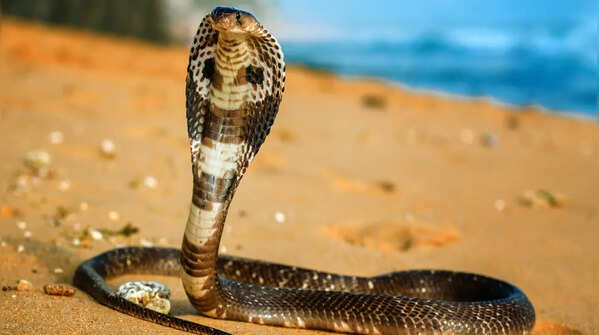
6 things every traveller (and every person) should know about snake bites
Whether you are hiking through the woods, setting up camp by the river, visiting villages or just wandering around outside during the monsoon, you need to know what to do when a snake bite incident takes place. In India, snake bites remain a serious problem even today. It is a cause of death in several cases due to lack of awareness on how to cope with such emergencies and timely medical care.
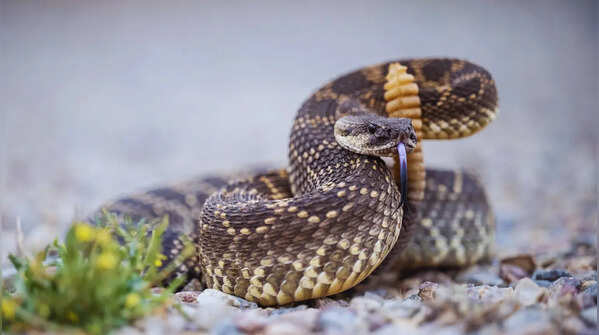
Not all snakes are venomous – but all snakebites should be taken seriously
While several species of snakes are not venomous in nature and do not pose any harm to humans, differentiating between a non-venomous and venomous snake is impossible for the uninitiated. Furthermore, even venomous snakes leave behind small puncture marks. Symptoms of poisoning from certain kinds of venom appear very slowly, making it hard for anyone to detect them immediately.
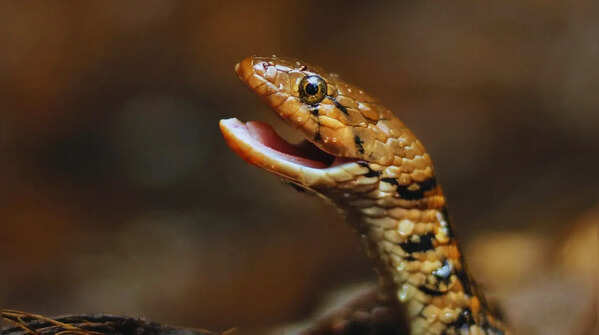
The first few minutes matter — stay calm and limit movement
The most common mistake that someone may commit is that of panicking or chasing after the snake. Movement may facilitate the spreading of the poison throughout the body via the lymphatic system. The recommended course of action would be to slowly retreat from the location of the attack. The bitten body part should also remain as immobile as possible. It is crucial for an individual to loosen up their jewellery and tight clothing before any swelling occurs and rush to the nearest hospital.
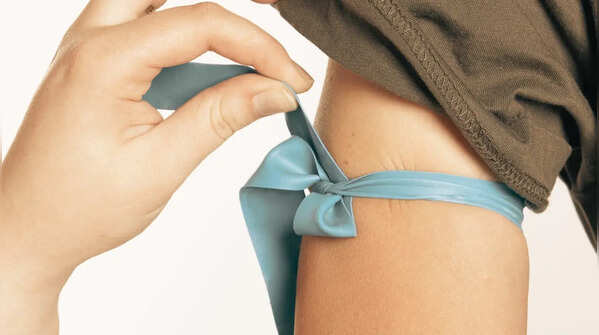
Never try dangerous “home remedies”
Several traditional snake-bite practices are not only ineffective but can make the situation worse.
Do not:
Cut the wound
Attempt to suck out venom
Apply ice
Use electric shocks
Apply herbs or chemicals
Tie extremely tight tourniquets
Tight tourniquets can cut off blood supply and cause severe tissue damage. The only proven treatment for serious venomous snake bites is professional medical care and antivenom when required.
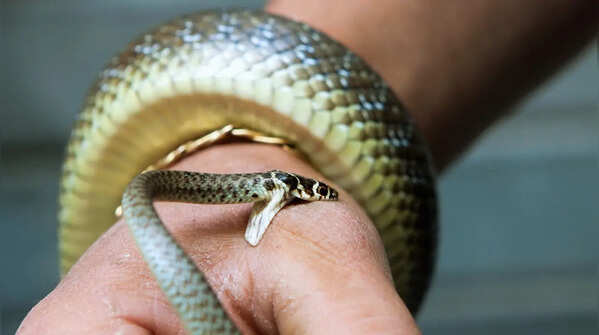
Most snake bites happen when people accidentally step on or disturb snakes
Snakes usually shy away from humans and attack when they are frightened, threatened, or stepped upon. Tourists are at greater risk of snake bites while hiking at night, during the monsoon season, long grass hikes, rock climbing, and barefoot walking. Simple precautions greatly reduce risk:
Wear proper footwear
Use a flashlight at night
Avoid placing hands into holes, rocks, or dense vegetation
Check shoes and sleeping bags in wilderness areas
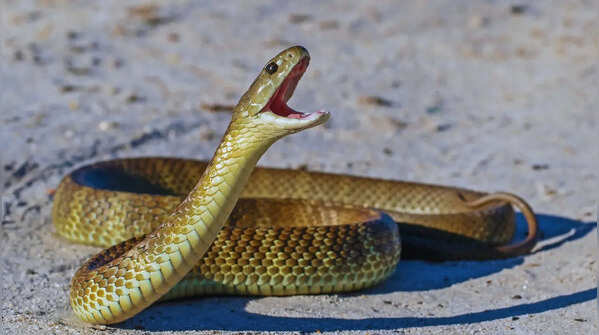
Symptoms can vary depending on the snake
The venom of some snakes affects the nervous system, whereas other snake venoms are toxic, damaging the body tissues and having an impact on blood coagulation. Possible symptoms include swelling, intense pain, bruises or bleeding, nausea, vomiting, trouble breathing, droopy eyes, blurred vision, and extreme exhaustion. There are some cases where venomous snake bites do not cause any pain. This is why it is crucial to be monitored in the hospital, even when the symptoms take some time to develop.

Quick medical care saves lives
Antivenom treatment is very successful in case it is administered in time. What is the first thing that needs to be done when one gets bitten by a snake? Getting to a hospital as soon as possible is what really counts. If possible, note the snake’s colour or pattern from a safe distance, and do not attempt to catch or kill it. Call emergency services if available. Globally, snake bites are considered a neglected tropical health issue, but awareness, quick transport, and proper treatment dramatically improve survival rates — especially for travellers exploring forests, national parks, and remote destinations.
Featured In lifestyle

