
- News
- lifestyle
- travel
- destinations
- Most mysterious forests in India and the legends around them
Most mysterious forests in India and the legends around them
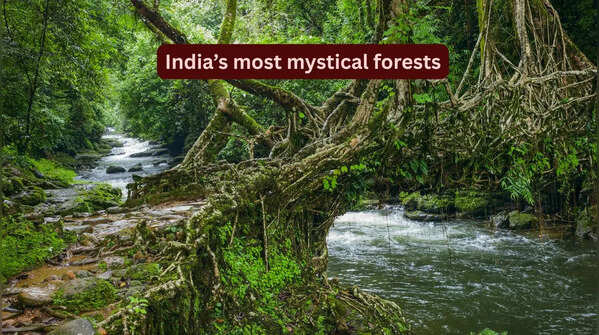
Most mysterious forests in India and the legends around them
India is full of gorgeous destinations that completely flip their script the moment the sun sets. You know the type, places steeped in local ghost lore, and bizarre natural phenomena where the heavy, dead silence is enough to make your skin crawl. But honestly, if you can look past the creepy tales, these spots double as top-tier travel getaways packed with fog-drenched hills, forgotten architecture, and dense, untouched rainforests.
If your idea of a perfect trip leans more toward moody and cinematic rather than bright and sunny, and you don't mind a genuinely eerie atmosphere, these landscapes absolutely need to be on your radar.
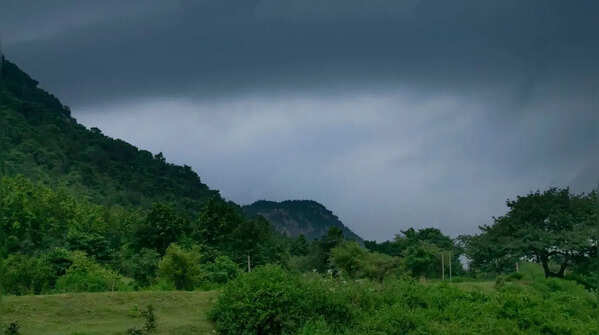
Dow Hill Forest, Kurseong, West Bengal
Dow Hill in Kurseong, a sleepy little hill station about 30 km from Darjeeling. During the day, it's pure postcard material, think colonial-era schools, sprawling tea estates, and crisp mountain breezes.
But when night falls It turns into one of India’s most notorious haunted woods because of local ghost lores. People are advised to avoid the infamous Death Road between Dow Hill Road and the forest office after dark, as locals claim to see ghosts there. The landscape itself feels like a moody movie set, especially in the winter and monsoon when the mist swallows the pines whole.
How to reach Bagdogra Airport is roughly 50 km away, and New Jalpaiguri (NJP) is your best bet for a train. October to March for clear skies, or the monsoon if you really want that eerie, fog-heavy vibe. Hop on the toy train, tour the tea estates, and hit up the local viewpoints.
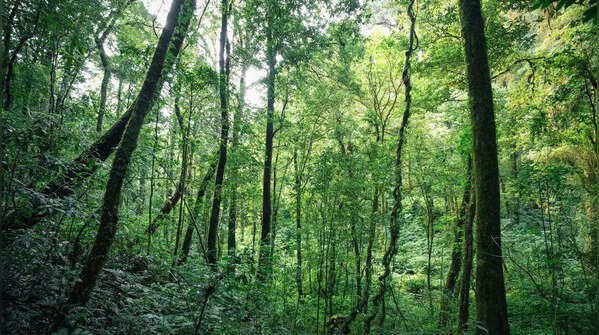
Jatinga Forest, Assam
Tucked away in Assam’s Dima Hasao district is Jatinga, a tiny village completely swallowed by lush, subtropical forests. Apart from this, Jatinga is globally famous for the bizarre bird suicides.
Every year between August and November, specifically on foggy, moonless nights, local birds get severely disoriented. They fly blindly toward light sources, crashing into trees and buildings. For decades, locals blamed spirits and supernatural forces for this. But scientists confirmed that this is due to a weird mix of high winds, dense fog, and artificial lights confusing the birds. Still, the mystery lingers. Today, people visit less for the horror aspect and more out of pure curiosity.
How to reach It’s about 9 km from Haflong and 330 km from Guwahati. The drive up through the hills is an epic road trip in itself. August to November is the best time to visit, both for the bird phenomenon and the incredibly lush landscapes.
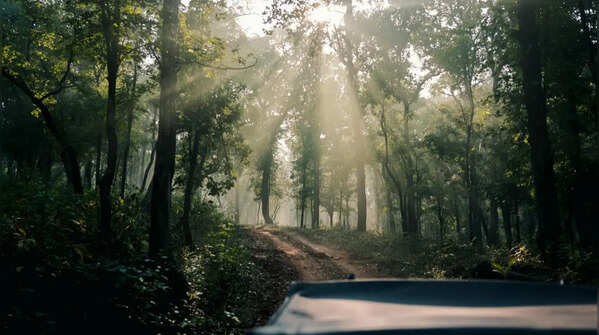
Dumas Beach Forest Edge, Gujarat
During the day, Dumas Beach near Surat looks like your standard sunset hangout, kids riding camels, and families chilling in the sea breeze. But wait until the crowds leave, and the vibe changes completely.
Famous for its striking black sand, Dumas has been a hotspot for paranormal rumors for years. Local lore claims parts of the beach used to be a cremation ground, leaving behind restless spirits. People whisper about hearing strange laughter in the dark. Science points out that the black sand is likely just heavy mineral content, not actual ash, but the spooky stories refuse to die. The uneven mangrove patches and the scrubby forest edge right behind the beach only make things feel lonelier and creepier once the sun sets.
How to reach there It’s only a 20–25 km drive from Surat city, making it extremely accessible from the Surat airport or train station. October to February keeps the evenings nice and cool.
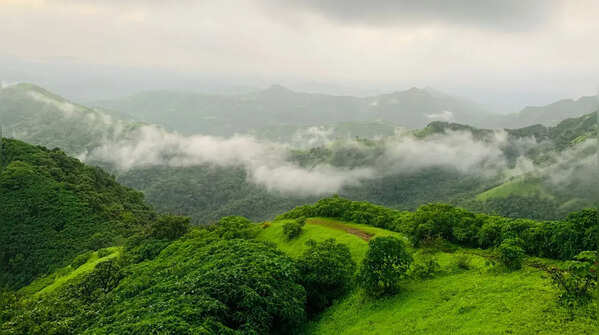
Bhimashankar Wildlife Sanctuary, Maharashtra
Deep in the Sahyadri hills of Maharashtra, Bhimashankar Wildlife Sanctuary combines mythology, rainforest and pilgrimage into one landscape. The sanctuary surrounds the ancient Bhimashankar Temple, one of the twelve Jyotirlingas of Shiva.
During the monsoon, parts of Bhimashankar can glow at night because of bioluminescent fungi growing on damp, decaying wood, twigs and leaves. this mind-boggling phenomenon has only been seen in a few patches of the Western Ghats. Scientists still don’t know why they glow.
Trekking routes from villages like Khandas and Bhorgiri add to the adventure, especially during monsoon when the hills disappear into fog and waterfalls cut across the trails.
How to reach: About 110–140 km from both Pune and Mumbai. Best time to visit here is July to February.
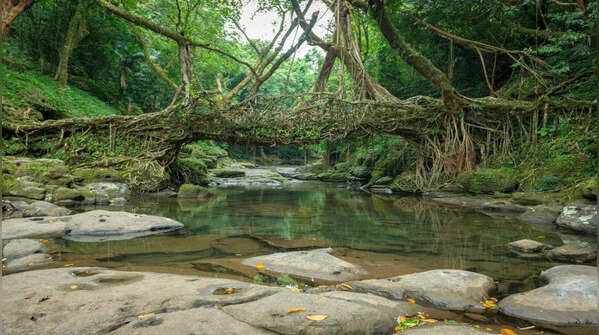
Mawphlang Sacred Forest, Meghalaya
If there is one forest in India where fear and faith exist together, it is Mawphlang Sacred Grove. Located about 25 km from Shillong, this moss-covered Khasi sacred forest feels less an ancient natural temple. The grove has survived for centuries because local Khasi communities believe it is protected by a forest deity called Labasa.
The rules here are strict- visitors are forbidden from taking anything out of the forest. Not a leaf. Not a stone. Not even a fallen twig. Guides still tell stories of travellers who ignored the taboo and later fell mysteriously ill or met with accidents until the objects were returned. You can also experience David Scott Trail trek, Khasi cultural tours, Meghalaya waterfalls.
How to reach: Around 45–60 minutes by road from Shillong. Best time to visit there is around October to April.
Featured In lifestyle

MORE FROM ETIMES
life & style