
10 exciting ways to spark your child’s curiosity about nature
10 exciting ways to spark your child’s curiosity about nature
Children are naturally curious. They love asking questions, exploring new things, and discovering how the world works. Nature is one of the best classrooms for children because it is full of wonder, adventure, and learning opportunities. In today's digital world, many children spend more time indoors than ever before. Encouraging them to connect with nature can help them become more observant, creative, and curious. The good news is that you do not need expensive trips or special equipment to make nature exciting. Simple everyday experiences can inspire a lifelong love for the natural world. Here are ten fun and effective ways to spark your child's curiosity about nature.

Take nature walks together
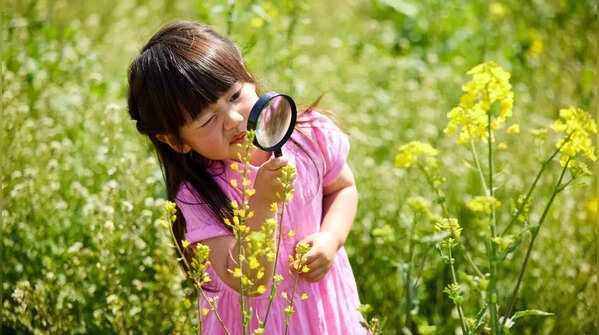
A simple walk in a park or a garden or a neighborhood can be a fun adventure for your child. When you are walking with your child, you can say things like "Look at all the plants and flowers and birds and insects." You can ask your child questions like "Why do you think these leaves are shaped?" or "Where do you think that bird is going to?" This will help your child notice things and think about them more.
Create a small garden
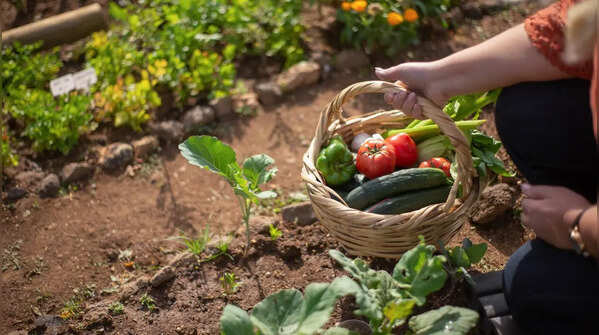
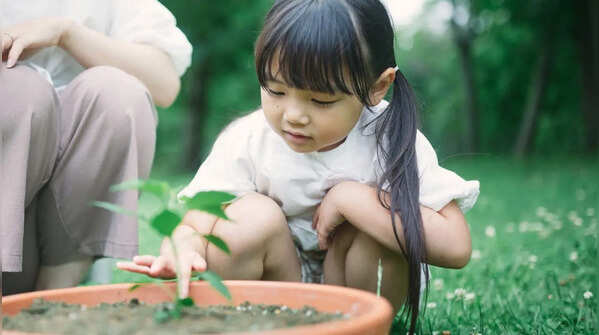
Gardening is a way to teach your child about patience and responsibility and the really cool things about nature. You do not need a garden to do this. A few pots on a balcony can be a great way to learn. Let your child put seeds in the pots and water them every day and watch them grow. It is really cool to see a tiny seed turn into a plant. This can make your child really curious about how nature works.

Encourage nature journaling
Give your child a notebook and tell them to draw or write about what they see when they're outside. They can draw pictures of flowers or leaves or birds or even the different kinds of weather. This is called nature journaling. It helps children pay attention to details and feel more connected to the world around them.
Turn outdoor time into a treasure hunt
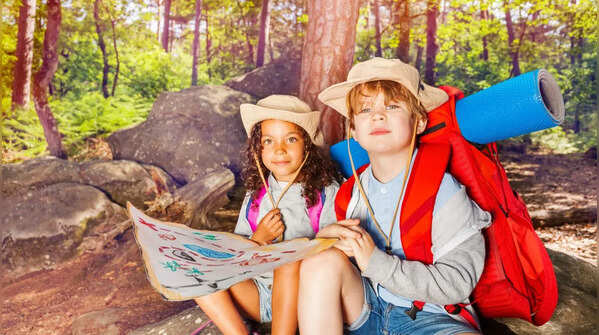
Children love to play games and do challenges. You can make a game out of going for a walk by making a nature treasure hunt. You can say things like "find a stone" or "find a yellow flower" or "find a feather" or "find a leaf that is a really cool shape." This makes going for a walk really fun and exciting. Helps your child notice things that they might not have seen before.
Watch birds and insects
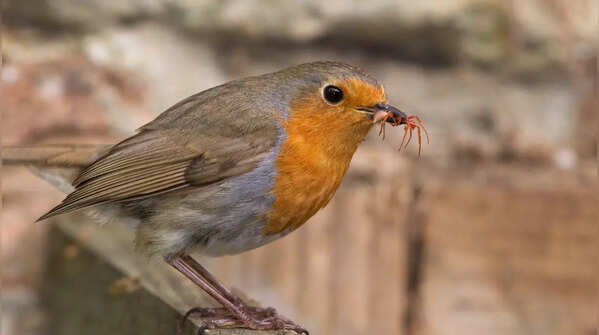
Birds and butterflies and ants and bees are really cool for kids to watch. You can spend a minute with your child watching how birds move and eat and interact with things around them. Your child will probably have a lot of questions, so encourage them to ask them and talk about what they see. These little things they notice can help them learn things.

Explore nature through all five senses
Nature is full of things that kids can see and hear and touch and smell. You can take your child to a place where they can listen to birds singing and feel the textures of leaves and smell flowers and look at all the colors. When kids use all of their senses, it makes the experience more fun. Helps them like nature even more.

Read books about nature
Kids can learn about animals and forests and oceans and ecosystems by reading books. You should pick books that are right for your child's age and have a lot of pictures and fun facts. When kids read about nature, it makes them want to go and learn more about it.

Visit parks, lakes, and nature centers
Going to a park or a nature center is a great thing to do with kids. These places are fun. Kids can learn a lot. They can see animals. Learn about plants and get to experience nature up close. When kids are in a place, they will ask a lot of questions and discover new things they never saw before.
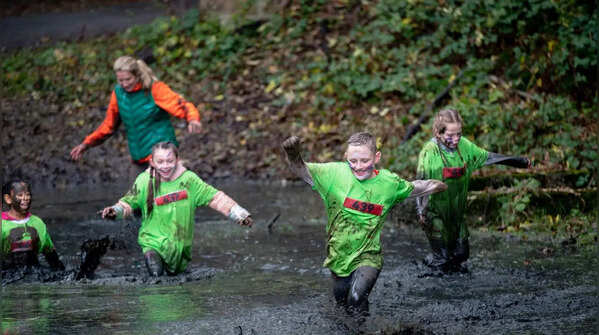
Let kids get a little messy
Sometimes the best learning happens when kids get to explore without worrying about getting dirty. They should be allowed to play in the mud, collect leaves, build with sticks, or explore a patch of grass. When kids get to touch and feel things, they learn better.

Follow their questions
One great way to make kids curious is to take their questions. If your kid asks why the sky changes colour or how butterflies grow, find the answers together. You don't have to know everything. Finding answers teaches kids that learning is fun and never stops.
Nurturing a lifelong love for nature
Helping kids connect with nature is one of the gifts parents can give. Nature makes kids curious, creative, and observant. It gives them a sense of wonder that can last forever. The goal is not to teach kids every fact about nature. Instead, it's to make them ask questions, explore, and enjoy discovering new things. With encouragement and regular outdoor time, parents can help their kids love nature and learning.
Featured In lifestyle

MORE FROM ETIMES
life & style