
- News
- lifestyle
- home-garden
- What do snake droppings look like? How to identify them and what to do next
What do snake droppings look like? How to identify them and what to do next

The one sign most people miss when a snake is nearby
Finding evidence of a snake on your property tends to follow a predictable pattern. You spot a shed skin, notice a smooth hole near the garden wall, or catch an actual glimpse of something moving through the grass. What most people don't think to look for are the droppings. Snake feces are easy to overlook, easy to misidentify, and often found in places you wouldn't think to check. But once you know what you're looking for, they're surprisingly distinctive.
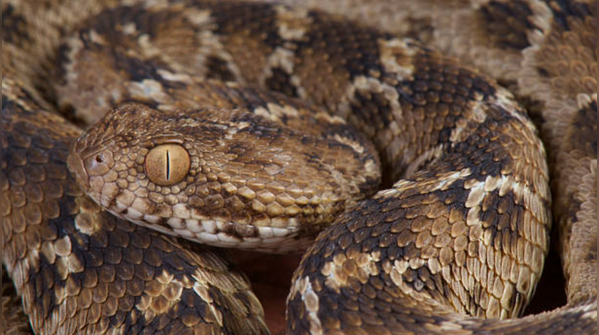
What snake droppings actually look like
The first thing to understand is that snake waste isn't quite like what other animals leave behind. Snakes, like birds, expel both solid and liquid waste from the same opening called the cloaca which means their droppings are always a combination of the two. That's what gives snake feces their characteristic appearance.
The fecal portion is typically dark brown, often very close to black. What makes snake droppings particularly distinctive is the white or off-white tip, that's uric acid, the solid form of snake urine. So if you find something that looks like a dark, tubular smear with a chalky white cap at one end, you're almost certainly looking at snake scat. Fresh droppings tend to be soft and smooth, almost mush-like. As they dry out, they lighten in color and become more crumbly. The white uric acid portion may flake or fade over time, which can make older droppings harder to identify.
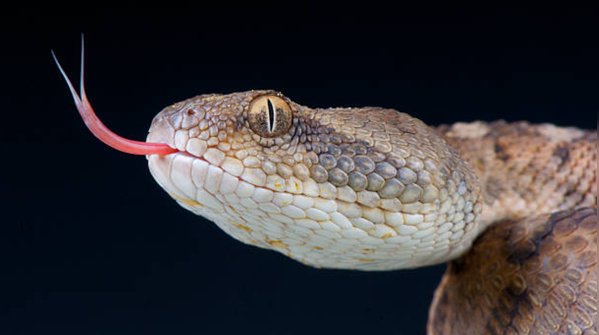
What's often inside the droppings
This is the detail that tends to confirm identification when the appearance alone is ambiguous. Since most snakes eat mammals, reptiles, or other snakes, their droppings often contain fur, bones, and even teeth from their prey. Unlike herbivores or omnivores, there's no plant fiber in snake poop. So if you find droppings that contain small bones or hair and no trace of plant matter, that's a strong indicator you're dealing with snake scat rather than something left by a rodent or bird.
Droppings may also contain feathers, scales, or exoskeleton fragments depending on what the snake has been eating. Larger, thicker droppings with visible bone fragments tend to suggest a snake that regularly eats rodents, a rat snake, for instance, while smaller, thinner scat points to a smaller species feeding on insects, frogs, or lizards.
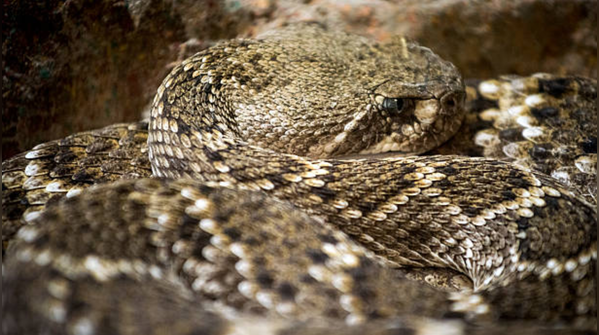
How snake droppings differ from bird or rodent droppings
A lot of people find snake droppings and assume they're from a bird, which is understandable, the white uric acid component looks similar at first glance. But bird poop tends to be white and splattery, while snake droppings contain solid dark waste alongside the white portion. The shape is also different: snake dropping is more tubular and elongated, usually deposited in a single mass.
Snake droppings are also typically larger than the small, pellet-like feces of rodents. Rodent droppings are usually dry, hard, and distinctly pellet-shaped — think tiny grains of dark rice. Snake scat is longer, softer when fresh, and almost never pellet-shaped. If you're unsure, the presence of that white uric acid tip is usually the deciding factor.
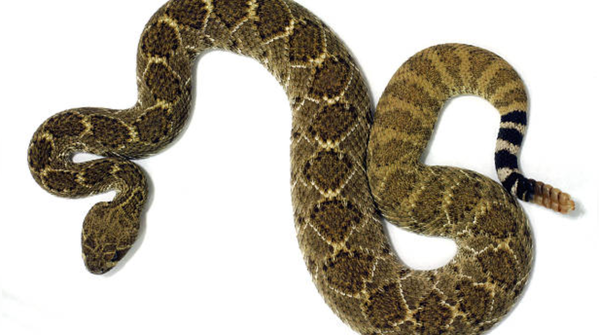
Where to look for snake droppings
Snakes don't have a designated spot they return to for waste. That said, certain locations are more common than others. Droppings are most likely to be found in attics and basements when a snake has entered a structure. Outside, check around suspected burrow entrances, along garden walls, near wood piles, and under any debris or dense vegetation where a snake might shelter for extended periods. If snake excrement is found in yards or around homes, it's reasonable to assume that snakes are active in the nearby area.
Is snake poop dangerous?
Yes, and this is where caution matters. Snake feces can contain salmonella bacteria, which can cause serious gastrointestinal illness if ingested, for instance, if you touch the droppings and then touch your face or food without washing your hands. Fecal matter also smells unpleasant and represents a health risk to anyone in proximity, particularly in enclosed spaces like attics where it can accumulate. Never touch snake droppings with bare hands. If you need to clean them up, wear disposable gloves and a mask, use a disinfectant on the surface afterward, and wash your hands thoroughly.
What to do if you find snake droppings
Finding snake dropping is confirmation that a snake has been active in that area — recently, or over an extended period if there's an accumulation. The first step is to document it: take a clear photo of the droppings and note the exact location. This genuinely helps if you end up calling a wildlife removal service, because it gives them useful information before they arrive.
From there, it's worth assessing whether the snake is likely still nearby. Fresh droppings suggest recent activity. But if you're finding droppings regularly, or finding them inside your home, that's a situation that warrants a professional assessment rather than a DIY approach. A licensed wildlife removal expert can identify the species from the evidence, locate where the snake is sheltering, and remove it humanely if needed.
Featured In lifestyle

