
- News
- lifestyle
- home-garden
- 7 flowers you should never plant in your garden: These beautiful but risky plants can spread aggressively, attract pests, trigger allergies or become toxic hazards for kids and pets
7 flowers you should never plant in your garden: These beautiful but risky plants can spread aggressively, attract pests, trigger allergies or become toxic hazards for kids and pets

7 flowers you should never plant in your garden: These beautiful but risky plants can spread aggressively, attract pests, trigger allergies or become toxic hazards for kids and pets
Although flowering plants look beautiful and have pleasant odours and meanings, not all types of flowers are meant to be used in home gardens. They may either be too invasive and uncontrollable, dangerous when ingested, or cause harm in other ways. Therefore, in order to preserve a harmonious environment in your backyard, you need to know how to choose the proper plants and avoid those that will only do harm later.
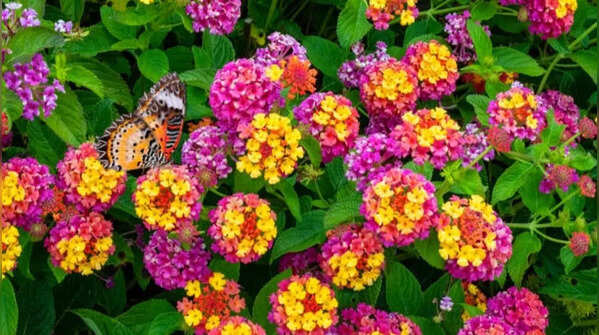
Lantana flower – pretty but invades everything around
Lantana is distinguished by its brightly coloured flowers in clusters. The problem with it is that it grows very aggressively, overrunning everything around it. It spreads rapidly and tends to overpopulate your garden, being quite hard to control once it starts growing. It is best avoided in home gardens, as it can be dangerous in many ways.
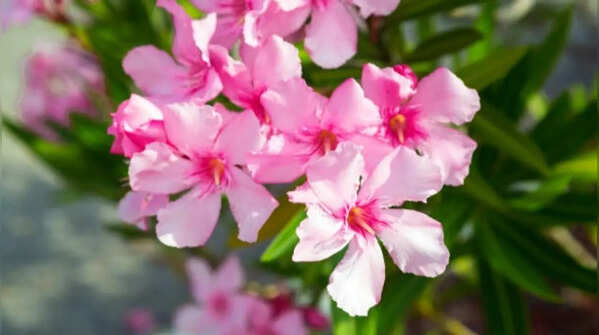
Oleander – beautiful plant, but not a safe one
Oleander produces gorgeous flowers in pink, white, or red shades, but it needs to be avoided when growing in your home garden. All parts of the plant are poisonous to both people and pets, even when consumed accidentally. Although there are times when oleander is used for landscaping purposes, experts recommend that it should be avoided in home settings.
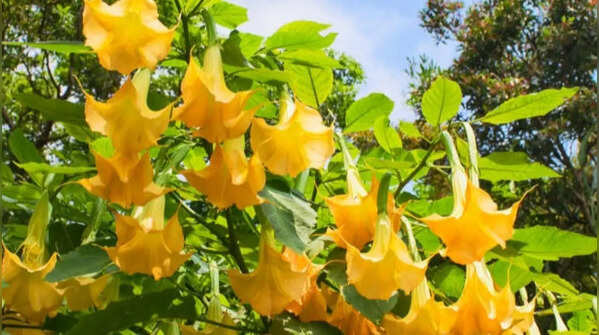
Datura – looks great, but can kill
Datura is distinguished by its huge bell-like flowers that bloom in the evening. This plant has an incredible ability to grow and spread on its own. However, it has toxic compounds in it that make it highly risky to keep near your house or use in any way. Therefore, it should not be kept anywhere except in laboratories for medicinal experiments.

Morning glory – spreads rapidly in gardens
Morning glory has bright blue and violet flowers. It is known for its fast spreading rate and its uncontrollable tendency. After a while, it begins to grow in places where it is undesirable, choking nearby plants. Therefore, you would not want it in your garden because it spreads rapidly, invading anything that it touches with its tendrils.
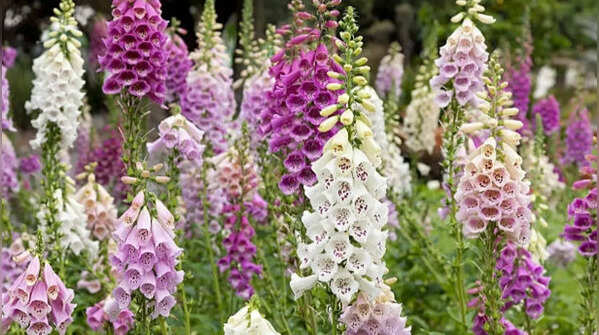
Foxglove – very attractive but poisonous to the heart
Another dangerous flower that is not advisable to have in your garden is foxglove. It is very pretty and elegant with its bell-like flowers. Unfortunately, it is also dangerous because of naturally occurring toxic substances that have a serious impact on your heart. It is not recommended to use it outside of laboratory conditions.
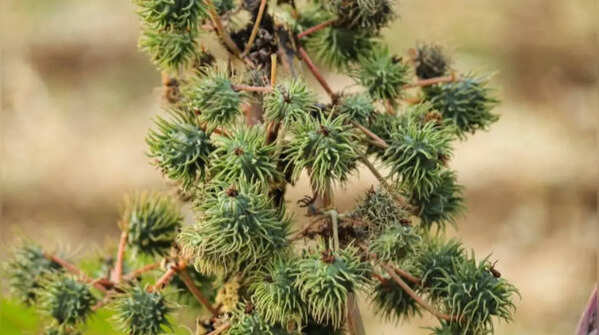
Castor oil bean – deadly but attractive
The castor oil bean is a plant that is usually grown because of its unique foliage and attractive features. Nevertheless, it contains deadly ricin inside, making it rather risky to keep in the garden or anywhere in residential areas. Although it is rather easy to avoid ingesting it, accidental intake can be lethal in this case.
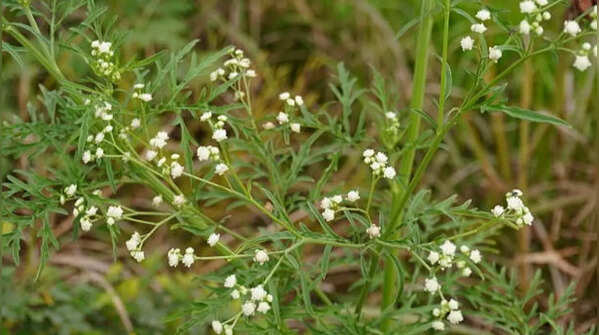
Parthenium weed – not a plant but a killer
It may seem surprising, but parthenium weed can ruin your garden easily. It spreads rapidly and can choke other plants, along with damaging soil. Moreover, it can cause allergic reactions and is rather hard to remove when you see it for the first time in your backyard. Thus, it is better to eliminate this flower once you spot it.
Featured In lifestyle

MORE FROM ETIMES
life & style