- News
- lifestyle
- health-fitness
- health-news
- Forest is the Cure
Trending
This story is from March 21, 2021
Forest is the Cure
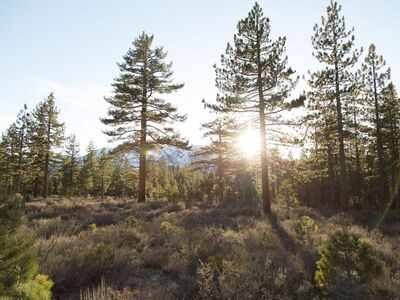
The theme for this year’s International Day of Forests is “Forest restoration: a path to recovery and well-being". The message is loud and clear — rewild and reconnect! The more we are axing trees to construct flyovers and buying gadgets to shut nature out of our lives, the further we are getting sucked into mental, physiological and social distress.
Make space for self-healing
Sehatvan was born out of the same sentiment. Literally meaning “healing forest”, this laboratory-cum-wellness retreat near Bhopal, is an exciting new space exploring the effect of forests on human body and psyche. Run by a drug discovery scientist, Dr Vipin Gupta and his psychologist son, Madhur Anand, Sehatvan seeks to heal people of chronic lifestyle disorders like diabetes, thyroidism and hypertension through the threefold method of community, wilderness and autophagy.
“The disconnect from nature is creating all sorts of diseases. If we look broadly, it's making my generation age faster than the previous ones. To slow down this ageing of humans and to revive forests, kind of go hand in hand,” feels Madhur. Self healing is the overpowering thought at their retreat. Explains Madhur, “All living beings are biologically designed to grow, reproduce and heal by themselves; however, with more medicines around, humans have somehow forgotten the potential of self-healing. We try to strengthen the self-healing potential by providing the right habitat and community environment.” Focused on treating the person and not the disease, they have also found Forest Therapy to be quite effective in cases of allergies and autoimmune conditions including asthma and lupus.
Professional forest bathing guide Dipika Sharma founded Forest Therapy India a few years ago to take people back to the woods. Having spent her early years in the tranquil locales of Upper Assam and Darjeeling, Dipika was always drawn to the serenity of the verdant forest. The need to be closer to nature resurfaced when she became a mother. While she conducts garden walks in Delhi too, her favourite haunt for workshops are the jungles of Pangot in Uttarakhand. “We spend two hours in the forest of Kilbury where the participants are asked to put their gadgets on silent mode as we want them to be completely present in the moment. We work on concepts of Grounding, Mindfulness and Qi gong (meditation in movement). We have sharing circles where participants share what they notice, many are connected back to memories from childhood, many find answers to questions they had. The session ends with a lovely tea ceremony,” tells Dipika.
Forest Bathing, originally called Shinrin Yoku, has several therapeutic benefits attached to it. Some of these include: Reduced stress, lesser mood swings, optimised blood pressure, better sleep patterns, balanced blood sugar levels, increased count of NK Cells (Natural Killer cells that fight cancer), better intuition, quicker recovery from surgery/illness and more. “The pandemic has influenced many to go within and self reflect and find nature connections as a meaning full way to relax. I have used this time to spread awareness about the healing nature of forests through webinars and will continue to do so,” says Dipika.
Japan now has 62 designated therapeutic woods attracting about 5 million visitors annually. But you don’t need to go to a certified forest to get your dose of forest medicine. Start from your neighbourhood, your city, your state.
End of Article
Follow Us On Social Media



Tired of too many ads?go ad free now
Featured In Lifestyle

Tired of too many ads?go ad free now
Hot on the Web
Health TipsJaat Box Office CollectionGround Zero Box Office CollectionBrain ExercisesEntertainment News Live UpdateAkshaya Tritiya 2025Kesari 2 Box Office CollectionLongest Beak BirdsGood Bad Ugly Box Office CollectionGiza GloryPowerful DrinksLabrador DogUsha VanceChia Seeds For Hair GrowthBaby Girl NamesOptical illusionNaniHania AamirNaga ChaitanyaRelationship TipsBrightest Coloured FrogsFoods For Better SleepLiver HealthChia SeedsRohit BasforeHealthy SnacksLove Birds PetsPsychology TipsKareena KapoorKareena Kapoor KhanBrain TrainingTipsVaibhav Suryavanshi FitnessNASA Space ImagesHimachal BirdsHania AamirRaveena TandonHidden Lakes IndiaKashmir Travel UpdateKim KardarshianGulki JoshiMumbai-Ahmedabad Bullet TrainAly Goni
Trending Topics
Latest MoviesBollywood MoviesHollywood MoviesTamil Movies 2025Telugu Movies 2025Malayalam Movies 2025Kannada Movies 2025Marathi Movies 2025Bengali Movies 2025Top Rated Movies 2025Best Hindi MoviesBest English MoviesBest Telugu MoviesBest Tamil MoviesBest Malayalam MoviesBest Kannada MoviesBest Bengali MoviesUpcoming Hindi MoviesBest Movies Of All TimeBest Hindi Movies of All TimePisces Horoscope TodayAquarius Horoscope TodayCapricorn Horoscope TodaySagittarius Horoscope TodayScorpio Horoscope TodayLibra Horoscope TodayVirgo Horoscope TodayLeo Horoscope TodayCancer Horoscope TodayGemini Horoscope Today
Popular Categories
Aries April HoroscopeTaurus April HoroscopeGemini April HoroscopeCancer April HoroscopeLeo April HoroscopeVirgo April HoroscopeLibra April HoroscopeScorpio April HoroscopeSagittarius April HoroscopeCapricorn April HoroscopeAquarius April HoroscopeEntertainment NewsBollywood NewsTollywood NewsKollywood NewsMollywood NewsMovie ReviewsLatest Hindi MoviesLatest Tamil MoviesParenting TipsHome RemediesWeight LossBeauty TipsParenting TipsHindi VideosHindi Video SongsBhojpuri Music VideosLatest Telugu MoviesBhojpuri Music VideoHindi TV News
Latest News
WWE’s $40,000 SummerSlam 2025 package sells out instantlyWrestling of fingers: Germany’s Fingerhakeln, where fingers fight fiercelyGojo Saturo deserved a better ending as compared to what he got in the Jujutsu Kaisen manga'If you support them, go live there': Pawan Kalyan slams leaders showing ‘affection’ for PakistanGFS Developments marks its grand Dubai launch with Star Power: Meet & greet with Ayza KhanMercedes-AMG GT 63, GT 63 Pro India launch date confirmed: All you need to knowThe first bowl matters: A 5-step nutritional guide for young petsUber cancels all WFH approvals, CEO Dara Khosrowshahi tells employees: "Good is not going to be ..."Hybrid heart surgery gives new life to a four-and-a-half-year-old child10 best turn based RPGs to play if you liked Clair Obscur Expedition 33Farmers say foul smell emanates from water being released from Kelavarapalli dam in Krishnagiri districtSonam Kapoor’s dinner date look is giving us major midi-dress goals“Too talented” - Former NBA stars extend support to Boston Rockets’ Jalen Green after Game 4 debacleNat Sciver-Brunt named as England women's captain after Heather Knight's exitNature Will Come to You: Ranjit Lal's Journey as a WriterThis nail salon worker pulled off ₹8 crore scam with 13 IT jobsNo, Mr Trump, the Kashmir dispute is not ‘1500 years old’Hidden chemicals in household plastics are silently killing your heart, study warns