
Trending
‘Celebrity isn’t always a sustainable brand asset’

Katrina Kaif has taken Kay Beauty ahead of many Indian celebrity beauty brands by going beyond just being its famous face. Her deeper involvement in product and positioning mirrors the founder-led model of Hailey Bieber, Kylie Jenner and Rihanna. Can other Indian celebrities replicate that playbook?
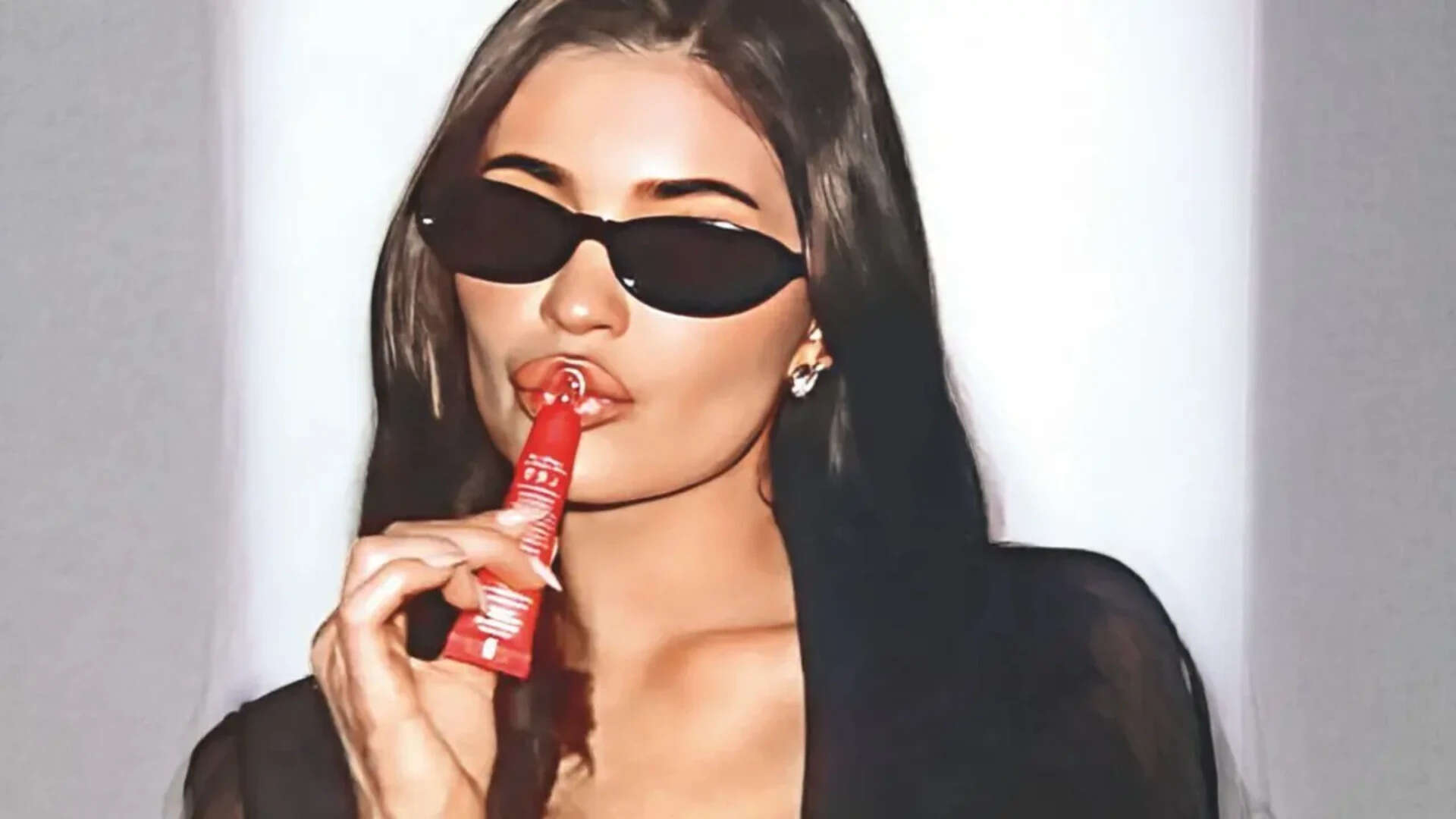
Hailey Bieber’s Rhode has been acquired by e.l.f. Beauty for up to $1 billion, after recording $212 million in FY25 net sales. The acquisition has boosted e.l.f.’s growth, with the company reporting a 35% jump in Q4 net sales to $449.3 million
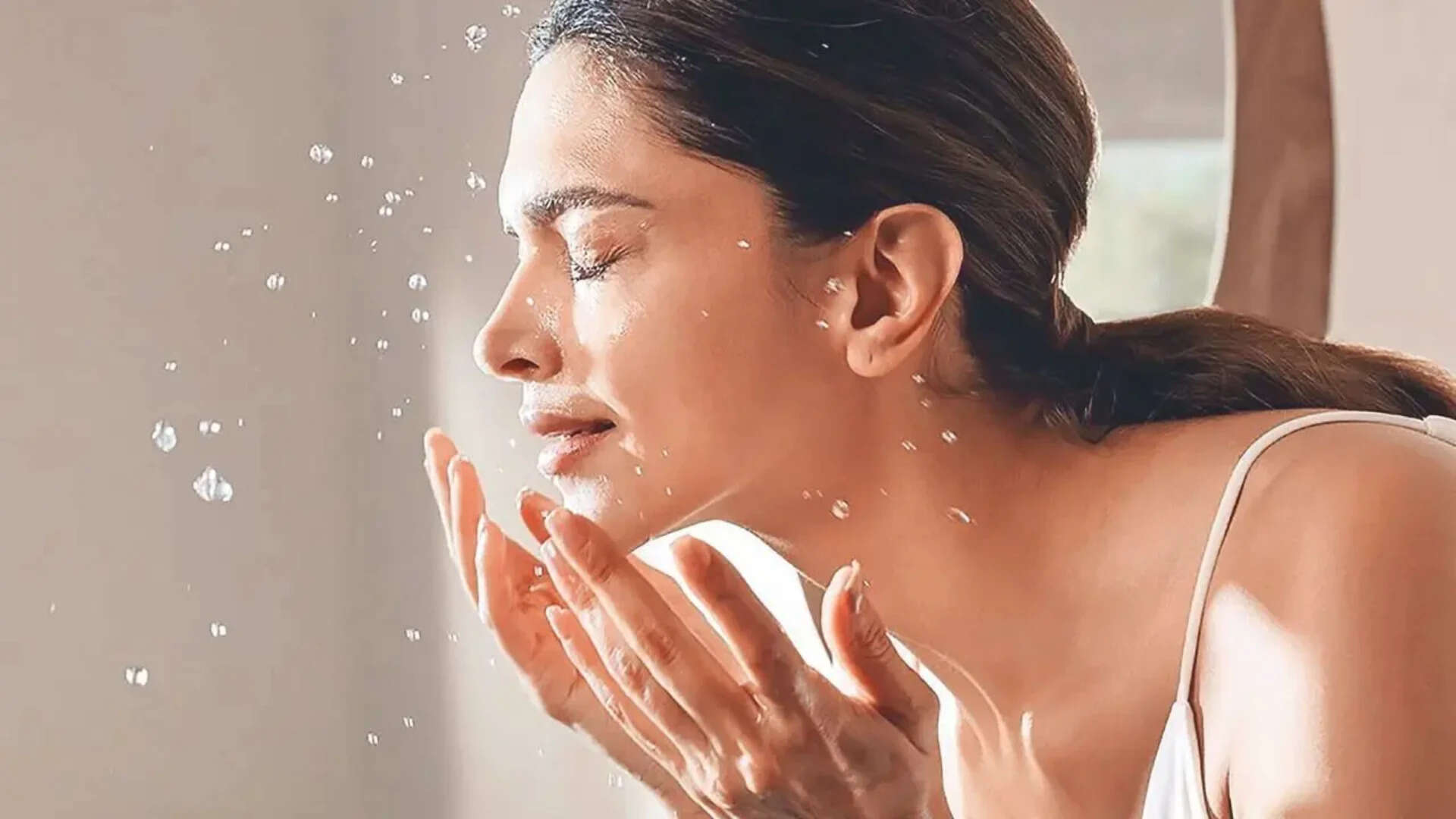
82°E, the premium skincare label launched by Deepika Padukone in late 2022, reported a 30% revenue decline to `14.7 crore in FY25, alongside a loss of `12.26 crore.
Kay Beauty demonstartes that celebrity-founded brand can absolutely build retention – but it was not built solely on the strength of being celebrity-led
A spokesperson from Nykaa
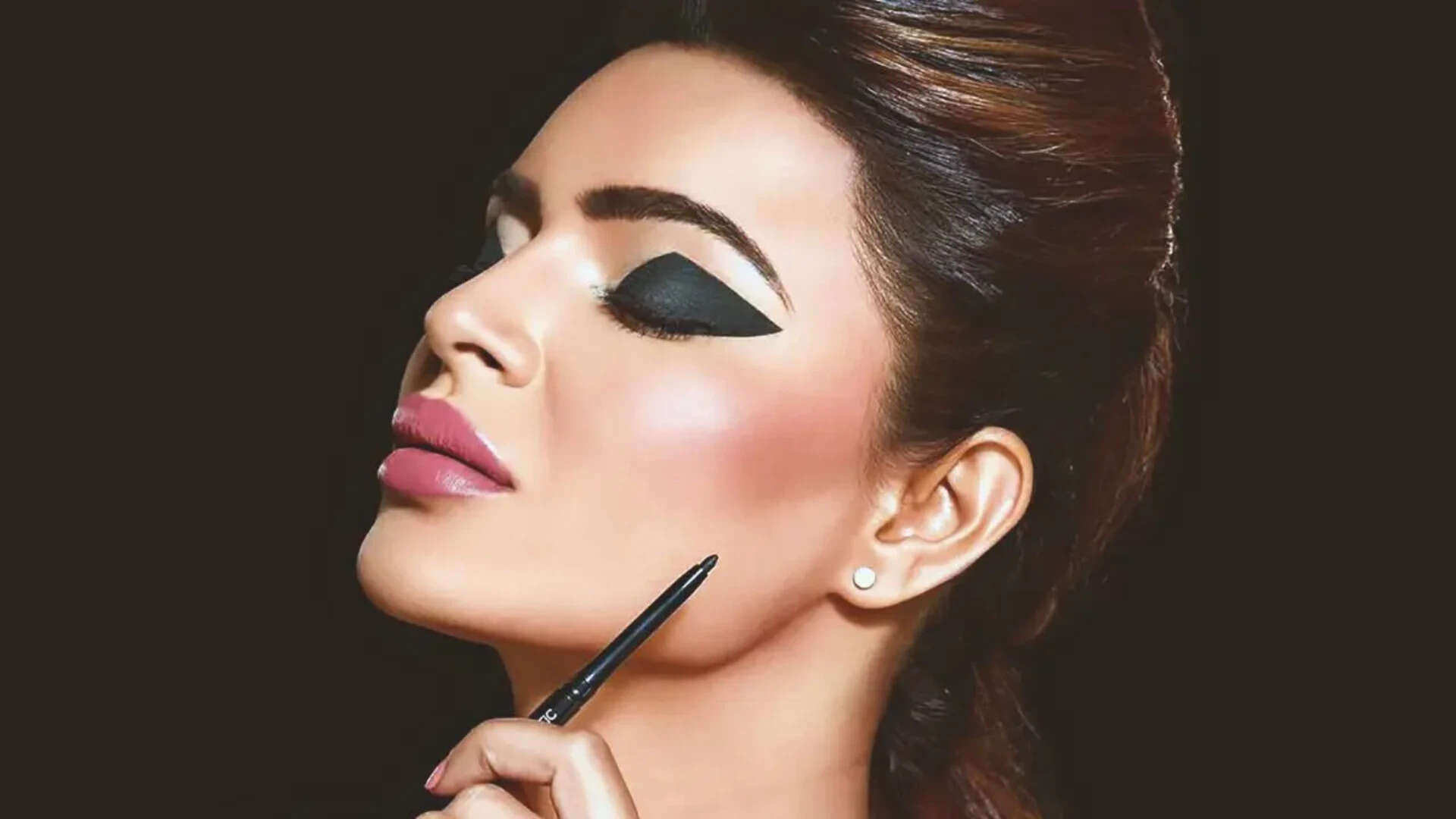
RENÉE Cosmetics said in 2025 that it had reached a `500 crore ARR (Annual Recurring Revenue) and aimed to double it to `1,000 crore within two years
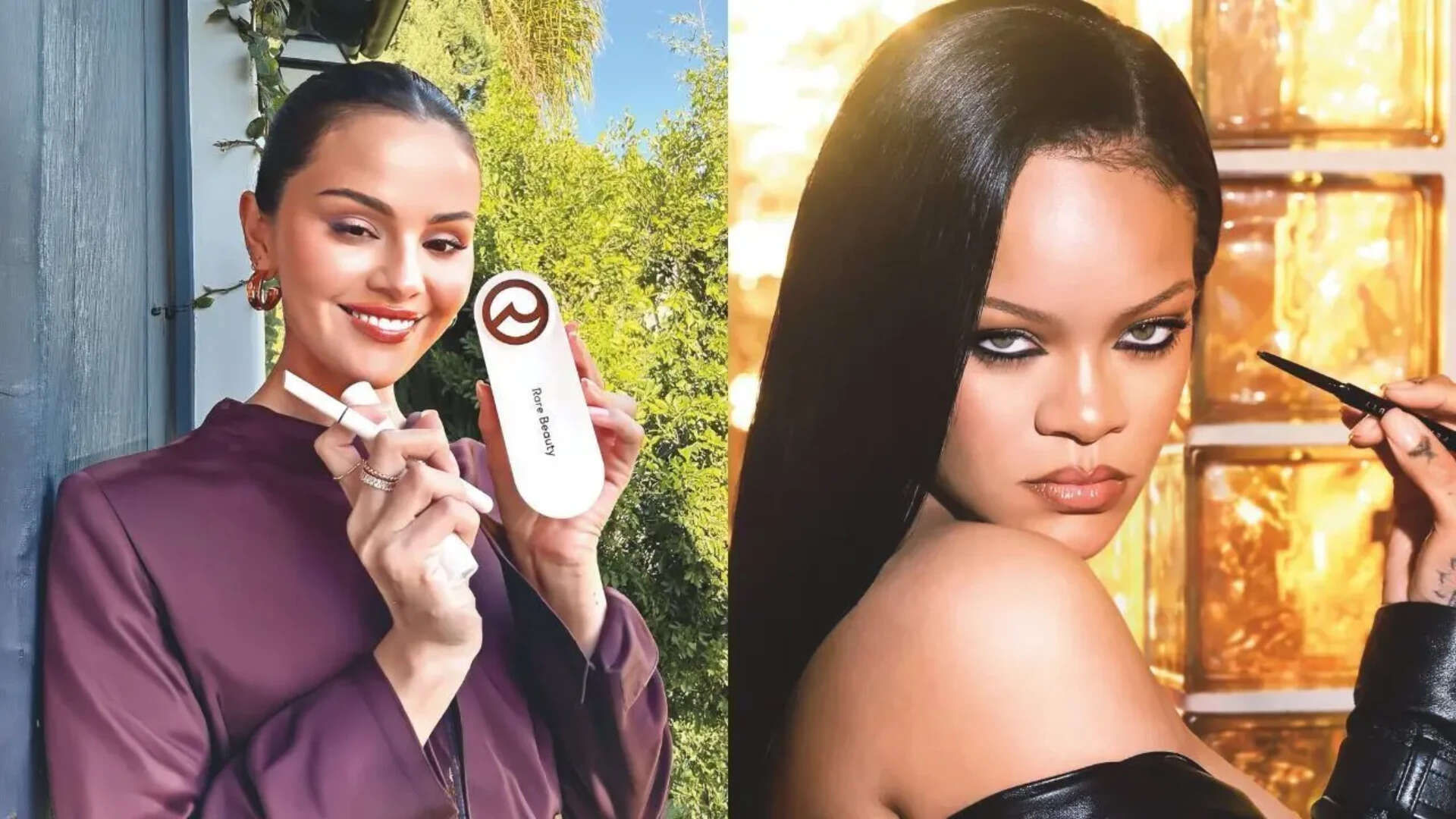
(L) Selena Gomez’s Rare Beauty is estimated to be valued at $2.7 billion. (R) Rihanna’s Fenty Beauty remains the benchmark for inclusivity in beauty, but amid a global luxury slowdown, LVMH is reportedly looking to sell its 50% stake in the brand.
If a product performs well, feels easy to use, is priced right, and becomes part of someone’s everyday routine, they’ll keep reaching for it.
Aashka Goradia Goble, co-founder of RENÉE Cosmetics
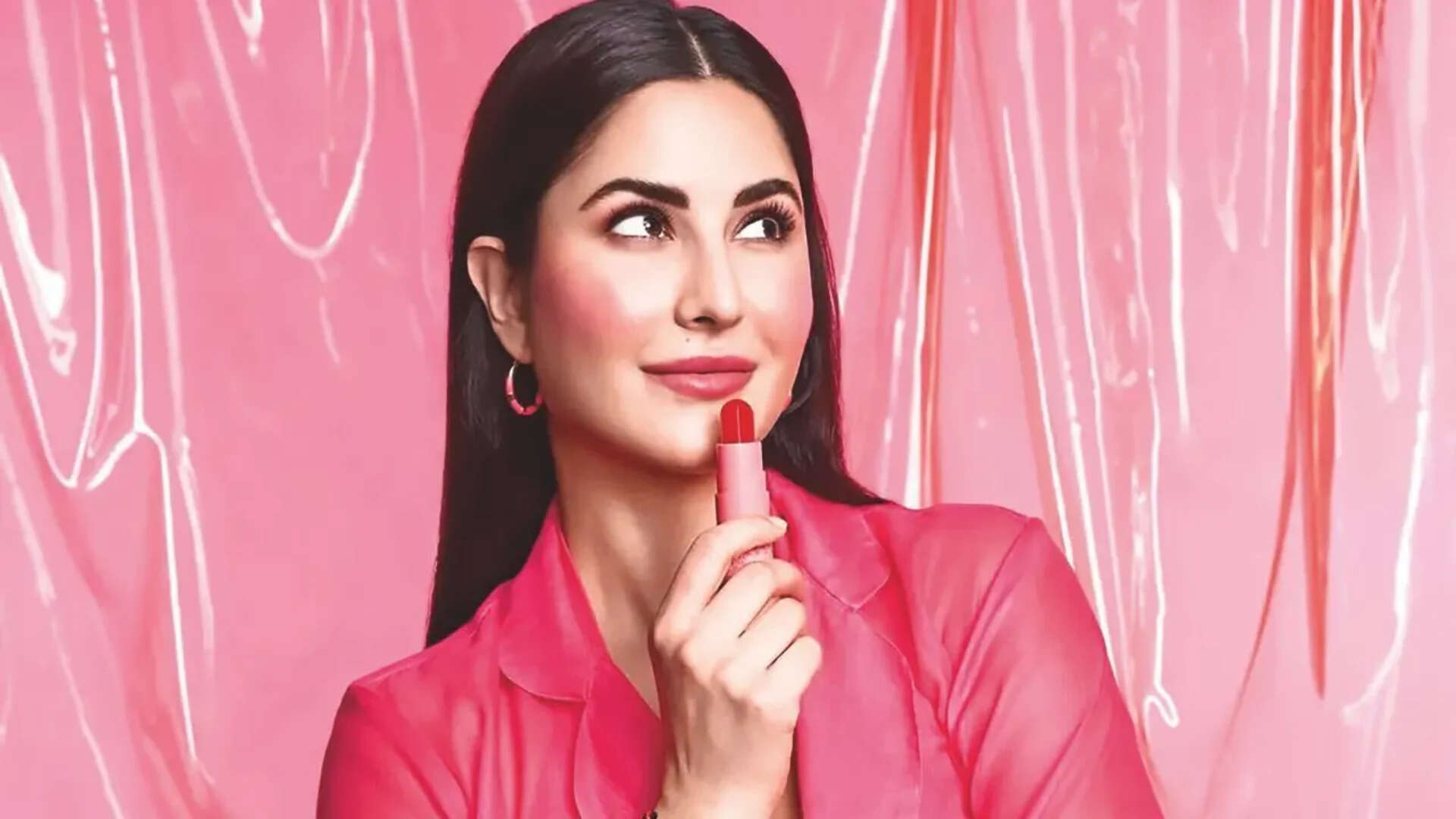
Launched in 2019, Kay Beauty by Katrina Kaif recorded a 46% jump in gross sales, with GMV rising from `240 crore in FY25 to `350 crore in FY26
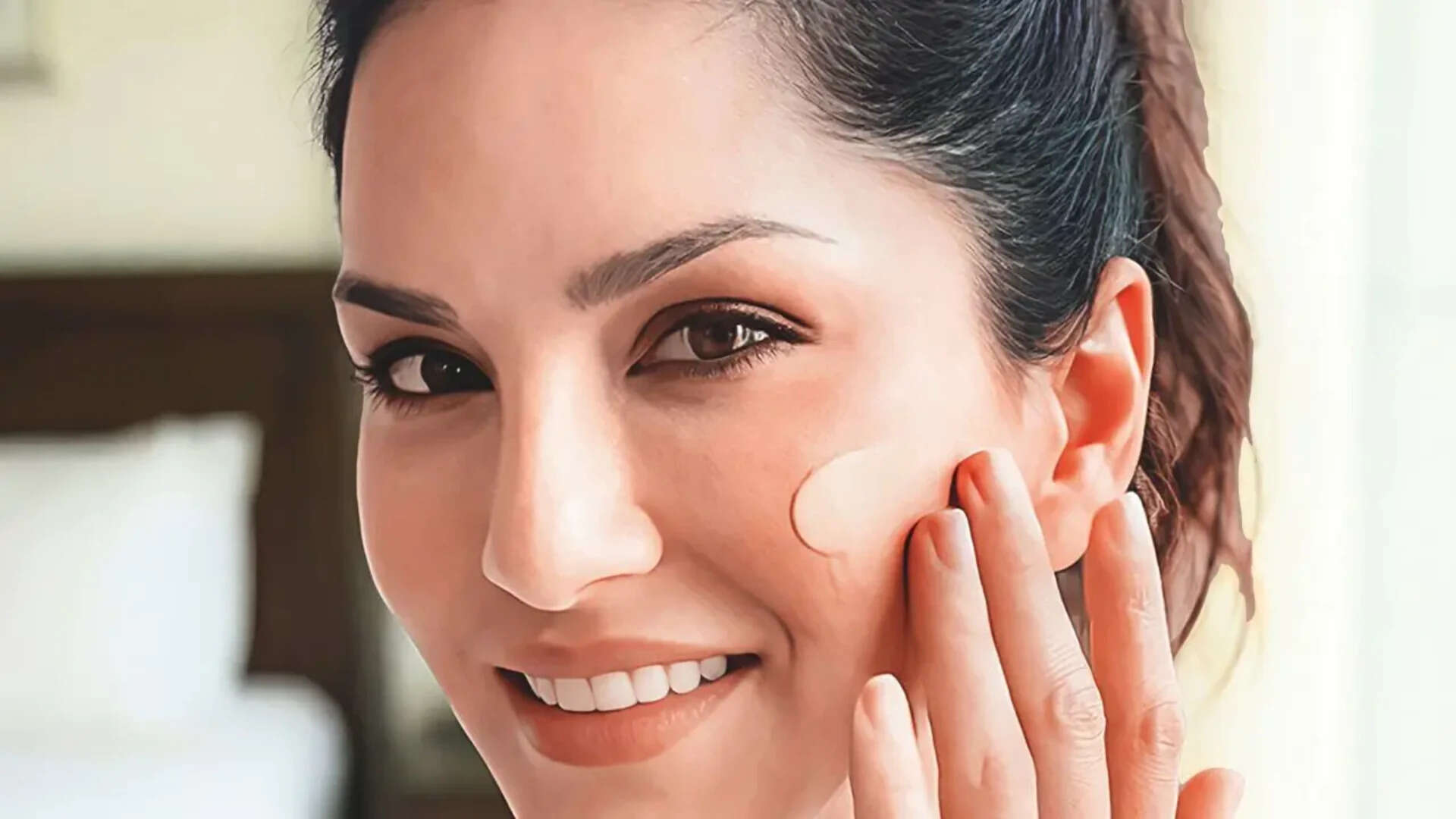
Sunny Leone says, "Domestically, we see the mentality for buyers is to look at international brands first based on trust, and then try domestic brands based on lower price value."

Reliance Retail acquired Anomaly, the vegan haircare label founded by Priyanka Chopra Jonas, in April, expanding its beauty portfolio
End of Article
Follow Us On Social Media
Health +
Tired of too many ads?go ad free now
lifestyle videos
Featured In Lifestyle

Tired of too many ads?go ad free now




Hot on the Web
Aamir KhanPahlaj Nihalani Death NewsShah Rukh KhanPeddi ReviewKJR RajeshKangana RanautHeart HealthGaurav GeraAhaan PandayBigg Boss Kannada 13Shilpa ShindeArchana Puran SinghKedarnath DhamKushboo SundarKheera VS KakdiDalchini Water BenefitsPeddi ReviewProtein Powder RiskBarack Obama QuoteSouth Delhi Restaurant TragedyPeabo Bryson Death NewsDeepika PadukoneUpasana KamineniDrishyam 3 Box Office CollectionKaruppu Box Office CollectionDhurandhar 2 Box Office CollectionChand Mera Dil Box Office CollectionYashAjay DevgnHoroscope TodayDelhi Malviya Nagar Fire4th Squadron S-400India Sudarshan ChakraFirstcry CompensationIAF France Jet DealHuman Evolving On Tibetan PlateauLargest Islands In The WorldJellyfish That Never DiesGoogle Release MosquitoesDelivery Firm Refund DeniedNyt ConnectionsCaptions For Instagram Posts
Trending Topics
Latest MoviesBollywood MoviesHollywood MoviesTamil Movies 2026Telugu Movies 2026Malayalam Movies 2026Kannada MoviesMarathi MoviesBengali Movies 2026Top Rated Movies 2026Best Hindi MoviesBest English MoviesBest Telugu MoviesBest Tamil MoviesBest Malayalam MoviesBest Kannada MoviesBest Bengali MoviesUpcoming Hindi MoviesBest Movies Of All TimeBest Hindi Movies of All TimeLatest English MoviesLatest Malayalam MoviesEnglish TV NewsTamil TV NewsTelugu TV NewsMalayalam TV NewsKannada TV NewsMovie ReviewsBhojpuri Cinema NewsGujarati Cinema News
Popular Categories
Viral NewsK Pop NewsWeb Series NewsAnime NewsUpcoming English MoviesUpcoming Tamil MoviesUpcoming Telugu MoviesUpcoming Malayalam MoviesUpcoming Kannada MoviesFashion TipsTravel NewsEntertainment NewsBollywood NewsTollywood NewsKollywood NewsMollywood NewsFood NewsLatest Hindi MoviesLatest Tamil MoviesParenting TipsHome RemediesWeight LossBeauty TipsParenting TipsHindi VideosHindi Video SongsBhojpuri Music VideosLatest Telugu MoviesBhojpuri Music VideoHindi TV News
Latest News
Hazaribag man drowns while fishing in lake"Behen Darr Gayi!": Fans relive ‘Bhagam Bhag’ era after watching Akshay Kumar's 'Bhooth Bangla' trailerMBOSE HSLC result 2026 to release tomorrow: Check details hereIran war risk: JPMorgan CEO Jamie Dimon warns of oil shocks, sticky inflation and higher interest ratesMake your clutch last longer with these easy driving tips“Three-against-one situation”: El Rubius opens up on being “targeted” in MrBeast’s viral $1M challengeBihar BTSC lab assistant notification released for 1091 posts at btsc.bihar.gov.in; apply hereIPL craze costs techie Rs 1.46 lakh in fake RCB vs CSK ticket scamRaising “robot-proof” kids: Why creativity and curiosity matter more than everInside ‘Satguru Sharan’: Exploring Saif Ali Khan and Kareena Kapoor Khan’s Rs 100 crore Bandra homeHow selling Alaska in 1867 was a costly mistake for Russia'Hera Pheri 3 is coming': Paresh Rawal dismisses delay reports and reveals he will 'start shooting soon'US-Iran War: A daring rescue Hollywood blockbuster is on its way. Till then, pick your favourite from these 10 films on bringing someone home against all oddsKolkata team unveils fan mural at Rash Behari Avenue, celebrating city’s first loveHow US spread a lie to rescue a pilot of a jet shot down in IranNetflix unveils ‘VOID’, an AI model that can change a movie plotAI data centers are causing 'stress' not just to tech companies, but also private insurers"Trans women are.....": Clavicular’s viral moment with trans women sparks fresh conversation on internet culture