
- News
- The soundtrack of love in seven Bollywood numbers
This story is from February 14, 2021
The soundtrack of love in seven Bollywood numbers
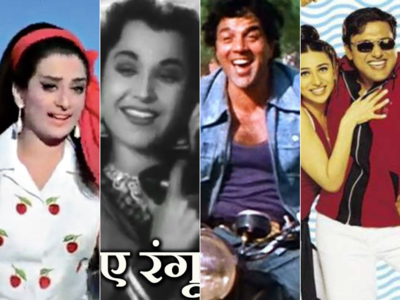
The best thing about Hindi film love songs is that there are so many. Not just thousands of love songs, but thousands of types of love songs, proposing through infinite variety that everybody’s somebody’s baby.
There is Dhanno, whose eyes have “pyaar ka surma aur chand ka chumma”. There is separation’s ache, when “chand phir nikla, magar tum na aaye”. There is the veiled enquiry of which of ishq’s lakhon rang you would like to unveil and the abandon of love-lusht double kasht in Dreamum Wakeupum. Vishal Bharadwaj’s knowing heroine’s sing “Darling!” and make jalebis with their hips singing “O boy o boy”. Charlie. Love sounds gutted in Darya (Manmarziyan) and coy references to the (previous) age of consent in “Solah baras ki bali umar ko salam”.
In the thousands of songs are hundreds of histories of love. If I had my way, I’d pick one for every week. But, here is a list, just for today, of seven songs.
1. Prem Nagar Mein Banaoongi Ghar Main (Chandidas, 1934)
In early talkies, the love duet rendered the couple on celluloid, writes the scholar Sangita Gopal. The films were often about love across boundaries of caste, class, religion and respectability. The lovers, sang to each other in pastoral settings, their exchange demonstrating a kind of equality possible to imagine through love. Their song painted dreams of a different world, a Prem Nagar, as KL Saigal and Uma Sashi sang here, where houses, neighbours, life were made up of sublime love. Though the films (like Achut Kanya), maintained the social boundaries by imagining only tragic endings for such love stories, it is the songs that suggested to audiences an alternative, poetic reality. It must mean something that we remember songs long after forgetting the films.
As long as movies showed embattled love, these songs of imagined love-homes remained, as for example, Love Story’s architecturally detailed, “dekho maine dekha hai yeh ek sapna, phoolon ke sheher mein ho ghar apna.”(1980)
2. Mere Piya Gaye Rangoon (Patanga, 1949)
Possibly one of Hindi cinema’s most iconic songs, it turned Shamshad Begum who pronounced it ‘telefoon’, into a singing sensation. The telephone is romance’s favourite technology. The trunk call, connecting lovers over literal and metaphorical distances, was also an intimate suggestion — a voice in your ear, so near, yet so far, itself a breathtaking thought. Metaphors of modernity in lyrics often signalled the cosmopolitan quality of romance — fashionable, private, pleasurable.
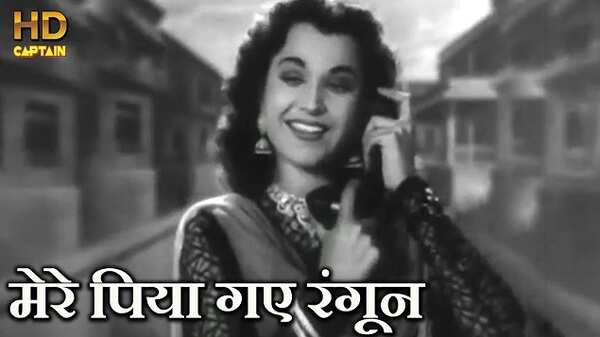
In another song (also written by Rajendra Krishan), metaphorical post offices, police thanas and schools — systematic worlds all — were undermined by the secret sensualities of desire, augmented by technologies potential for private connection, outside social scrutiny — “ankhon ka daak khana nazron ke taar hain”. As the telephone became a mainstay of love in real life, so telephone songs, like “Jalte hain jiske liye” became part of Hindi cinema’s repertoire.
3. The Lover’s Argument or Mohabbat kar lo, ji bhar lo, aji kisne roka hai (you fool) (Aar Paar, 1954)
The most common type of duet — where lovers debated the merits of love, rather than imagining it together. Usually men expressed scepticism — “ismein bhi dhoka hai”, and women asserted that such cynicism was the refuge of emotional cowards and escapists — love was the measure of your engagement with the world — “ho sake toh duniya chhod do, duniya hi dhoka hai” to the sulks of “yeh duniya agar mil bhi jaaye toh kya hai?”. These gender wars were philosophical ones. Perhaps they mirrored shifting gender equations, as women changed with education and mobility, calling up a masculine anxieties about vulnerability, framed by the uncertainties of urban migration.
Many such songs were found in the urban films of Guru Dutt and Navketan. Full of banter, nonk-jhonk, seduction, role-play and the urbane delights of Hinglish and slang — “thoko nahin bundle, baitho ji chup chaap”. A fun gender reversal is found in Love in Simla — where Joy Mukherjee sighs and spells out “L-O-V-E ka matlab hai pyaar”, while Sadhana in max anti-romantic eye roll mode, says it should really be spelled B-O-R-E. Lovers arguments reminded us, that love was also shared fun. Such songs sometimes appeared, though less exuberantly, in later films, like “jaane kyon log pyaar karte hain” (Dil Chahta Hai, 2001).
4. Main chali main chali, dekho pyaar ki gali (Padosan, 1968)
Like Saira Bano in her cherry print shirt, many movie women of the 1960s, in pedal pushers and tight churidars, went around fantasising about dream lovers in the company of their girlfriends, a merry bunch of gopikas sans Krishna. On picnics and at sleepovers, they caressed each other, singing “ae kaash kisi deewane ko, humse bhi mohabbat ho jaaye”.
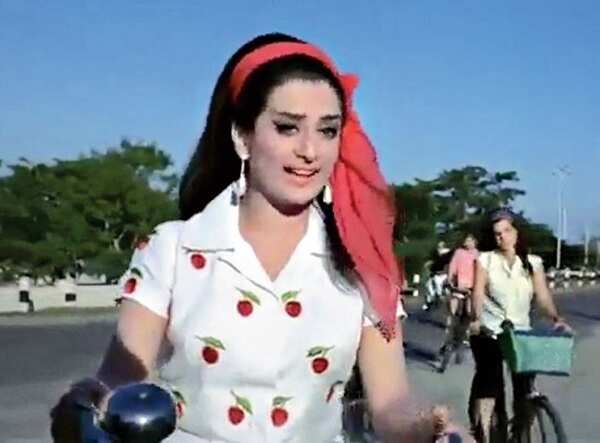
Their role play and teasing made the air wet with desire and the sama suhana with women’s voices.
These songs disappeared in the 1970s — returning with Dilwale Dulhaniya Le Jayenge’s “Mere Khwabon Mein Jo Aaye” (1995) — except Kajol sang indoors, with a family watching, not at a picnic with girlfriends.
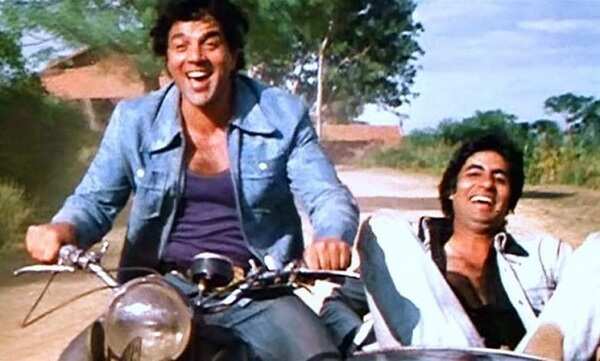
5. Yeh dosti hum nahin todenge (Sholay, 1975)
The 1970s marked a decline in love stories and a centrality of the masculine figure. This was the heyday of bromance — men declaring their love for each other, bringing the disguised queerness of earlier cross-dressing songs, closer to the surface. The films made an important place for the working class hero, but women’s space on screen shrank. Duets, emotional songs, even cabarets, became rarer.
6. What is your style number? (Haseena Maan Jayegi, 1999)
Govinda movies brought some streetwise swag back into duets. They also introduced a physicality through athletic street dances and the cheerful raunch of double meanings. Their slightly nutty quality showcased a more friendly, frolicsome love style which was also lightly androgynous and free from coyness. Romance expressed one’s cool and the joys of faltugiri, resisting post-liberalisation pressures of success.
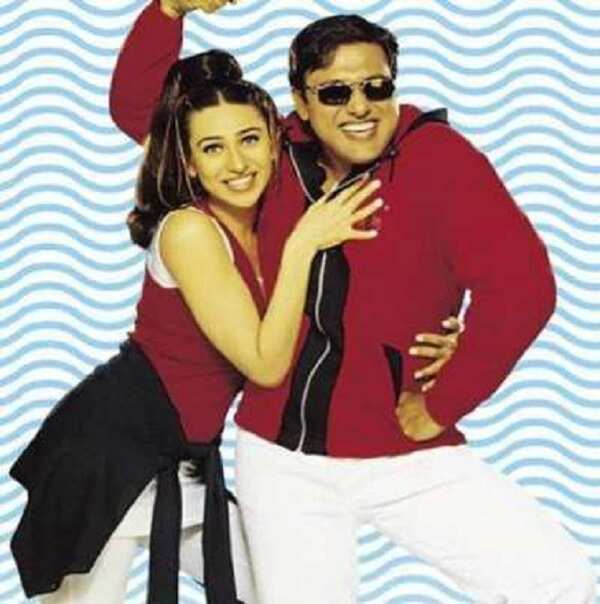
This physicality, became more gentrified in Shah Rukh or Salman films. SRK-Kajol and SRK-Juhi had a pleasing comedic collegiality, but the joie de vivre of street dance was gradually manicured into discos, dandiyas and wedding dances with ‘upmarket’ backup dancers in Dharma productions.
7. A song called Arijit (every movie since Aashiqui 2 or so it feels)
The love duets and lip sync have receded in movies. One might say they have been subsumed into the homogenising, sonorous voice of Arijit, a kind of mumblecore Himesh Reshammiya, who was himself a Vile Parle juice centre version of the juicier Altaf Raja.
It’s no surprise that one research piece found, in 2017, 126 songs were sung by men, and only 56 by women. Arijit songs are usually an interior masculine monologue picturised on montages, as if disconnected from the other person in the love story, like an unsent email. If an Arijit song was on Tinder, it would ask “what are you looking for” rather than sing a love duet to figure which dance you can dance together. In a time when we connect more virtually, perhaps piyas don’t have to be in Rangoon to be far away.
What will the loneliness of the pandemic, the constant suspicions of each other’s politics bring in the form of love songs now I wonder. I dream of a duet velvety, daringly, libidinally steeped in connection, that will make us hold our breath — but I’m not holding my breath.
Vohra is a filmmaker, writer, and founder, Agents of Ishq
End of Article
FOLLOW US ON SOCIAL MEDIA
Photostories

Hot Picks
TOP TRENDING
Popular Categories
Hot on the Web
Top Trends
Russell WilsonsMohammed ShamiTom BradyRishabh PantShantanu NaiduUGC NET ResultNobel Peace PrizeMahadev Betting AppNew UPI Transaction LimitRatan Tata DiesCBSE Class 10 12 Practical ExamPopular Schools in Navi MumbaiManagement Colleges of IndiaTop Medical Colleges of IndiaTop Engineering Colleges of IndiaTop Pharmacy Colleges of IndiaLive Cricket Score
Trending Topics
Diwali WishesDussehra 2024 QuotesDussehra WishesVettaiyan OTT ReleaseVettaiyan CollectionVettaiyan ReviewNatasa StankovicDevara CollectionBigg Boss 18Deepika PadukoneShraddha KapoorRatan Tata Passed AwayJigra Movie ReviewVettaiyan Movie ReviewSwatantrya Veer SavarkarDussehra 2024Elon MuskDussehra Whatsapp StatusUltimate Football Codes October 2024Wordle Answer
Living and entertainment
Latest News
Internship scheme: 193 companies post over 90,000 slots on portalInfosys to no longer send job offer letters and attachments, the company will ...Amitabh Bachchan, Rambha, Khushboo and others check in on Govinda after gun misfire incident - ExclusiveCops on unusual hunt: For denturesDiscover 8 animals that suck blood for survivalHappy Dussehra 2024: Top 50 Wishes, Messages, Images and Quotes to Share with Your Loved OnesFortified-food plan faces questions from two PM panel members'Bigg Boss OTT 3' contestant Ranvir Shorey admits lack of patience for 'Bigg Boss', enters the show unpreparedDid you know NTR is the only actor to play both Lord Rama and Ravana?Forex reserves drop $3.7 billion in week, most since start of AugustAshton Kutcher and Mila Kunis consider leaving Hollywood amid Sean 'Diddy’ Combs' arrest fallout: ReportSwearing-in ceremony of Nayab Singh government in Haryana on October 17: Manohar Lal KhattarHow Green is your car?Robert Gronkowski Reacts to His Hilarious Impression in FX's American Sports Story: Aaron HernandezIf Rahul Gandhi fails to deliver, INDIA bloc may make LoP post rotational: BJP‘Kallanum Bhagavathiyum’: The Vishnu Unnikrishnan and Mokksha starrer is set to get a sequelAlia Bhatt, Bipasha Basu, Rhea Chakraborty and others seek blessings at Kajol and Rani Mukerji's Durga Puja pandal - See photosThane: Man dies in brawl over torn Rs 50 note
Copyright © 2024 Bennett, Coleman & Co. Ltd. All rights reserved. For reprint rights: Times Syndication Service