Story: Jeff travels across America with his mother on an old propeller plane and falls in love with the magic of flying during the long journey. They meet flight attendants and passengers, and Jeff learns basic life lessons during the journey.
Review: ‘Propeller One-Way Night Coach’ marks John Travolta's first time in the director's chair. At a runtime of just over an hour, this film is based on a short children’s story that Travolta wrote in the late nineties. The project feels deeply tied to his own life and his lifelong passion for flying. Many viewers will probably see it more as a personal musing than a proper film. The film is soaked in '60s nostalgia and filled with references to the era, backed by excellent art direction. But the film struggles in the storytelling department because, more than telling a complete story, it focuses on the memories and emotions of a child taking his first long flight. The warm tone does help in the beginning, and the early moments do pull you in, but the film keeps moving in the same rhythm for too long.
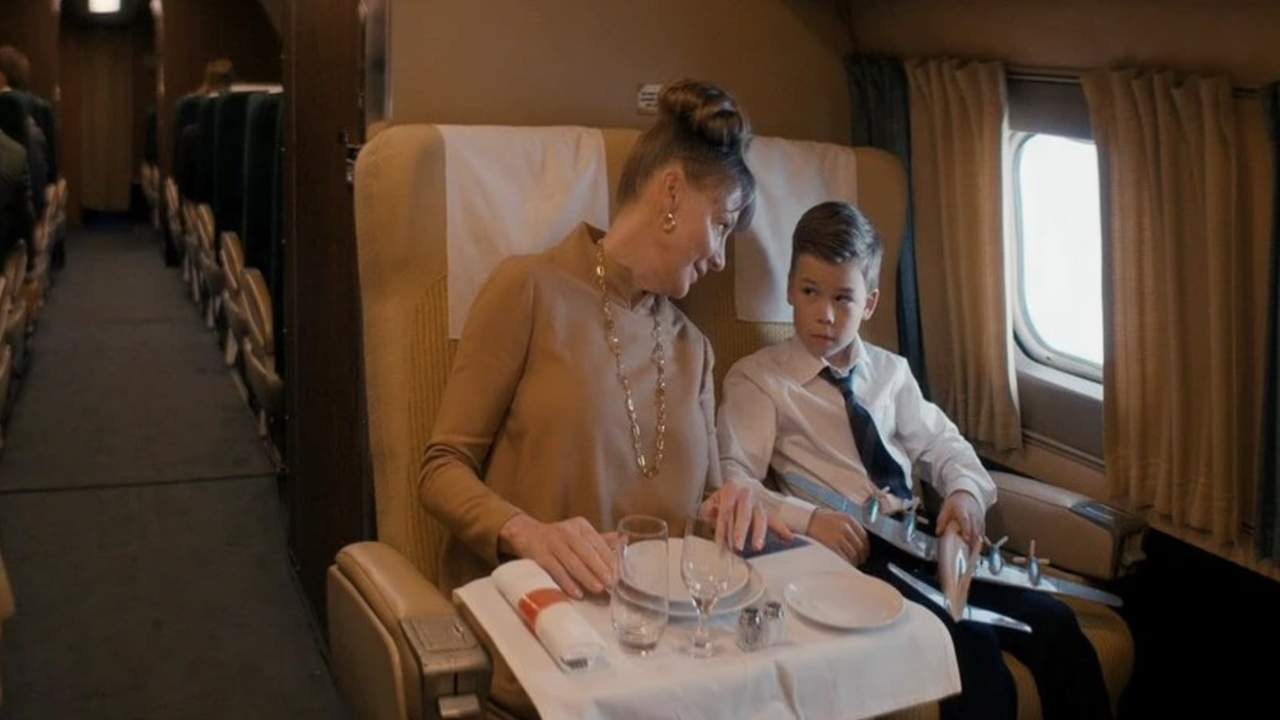
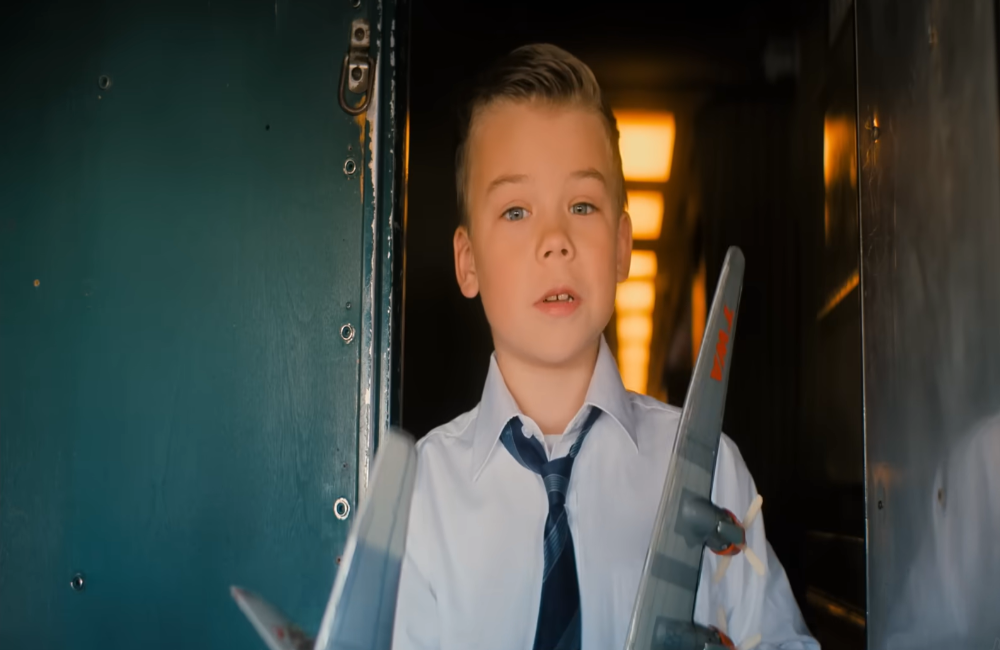
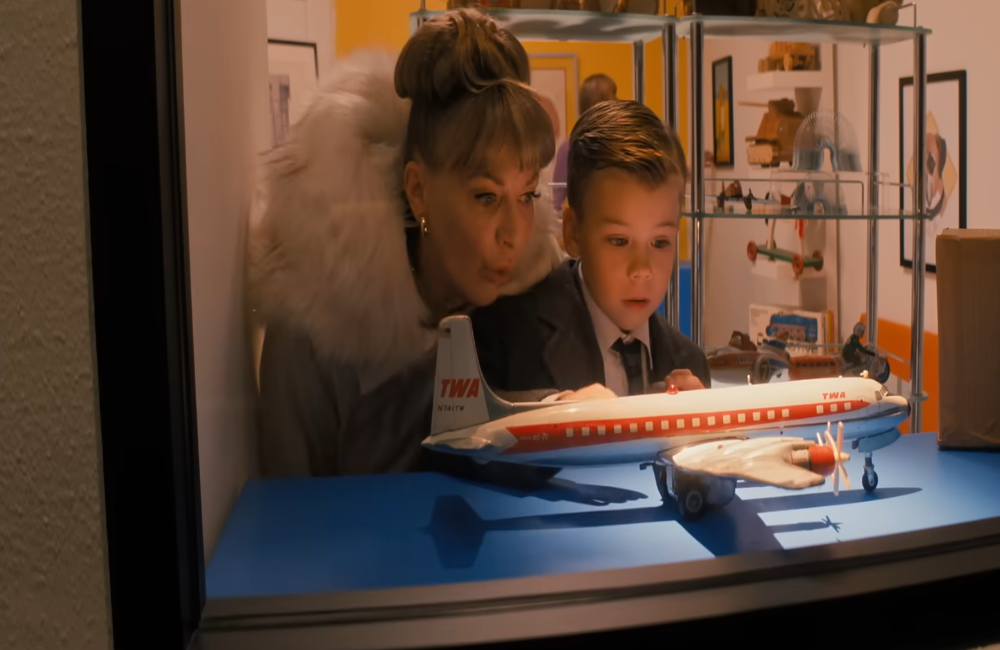
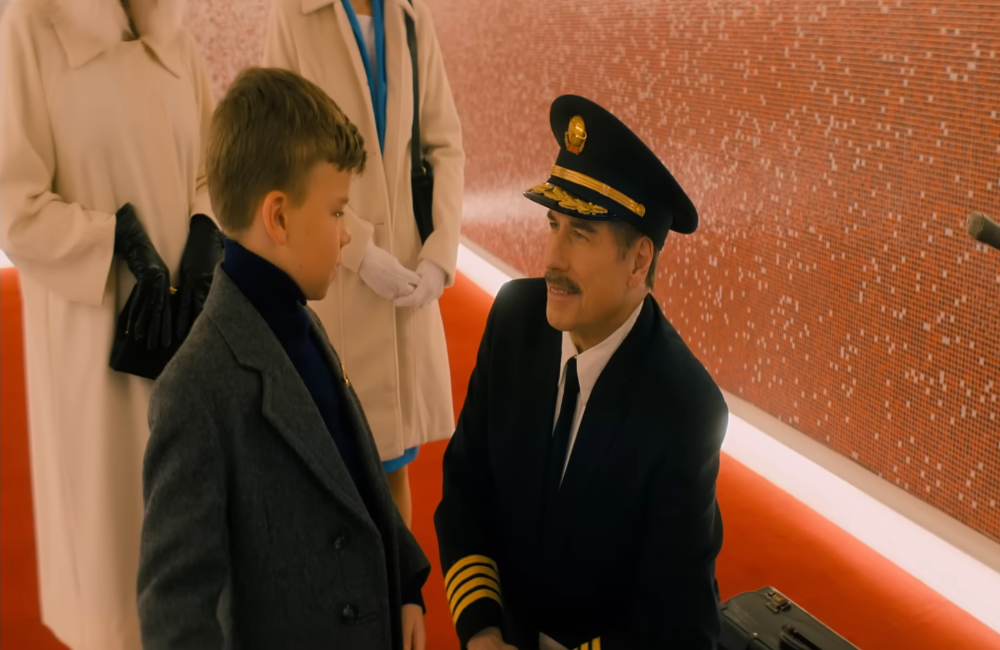
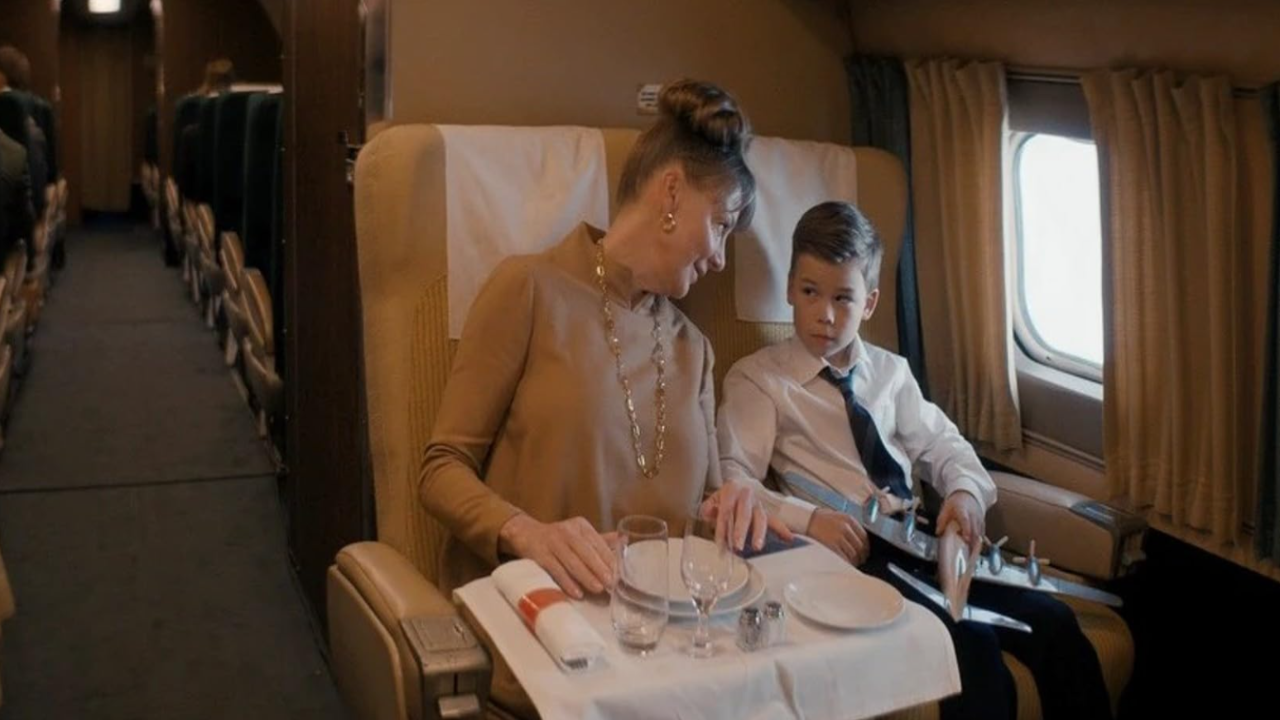
Set in 1962, the plot revolves around eight-year-old Jeff (Clark Shotwell), who is fascinated by planes. His mother, Helen (Kelly Eviston Quinnett), a drama teacher, decides to pursue acting work in Hollywood. Instead of taking a fast jet to Los Angeles, they travel on a slow propeller plane from New York to Los Angeles with several stops along the way. During the journey, Jeff comes across passengers and warm flight attendants. One attendant, Liz (Olga Hoffmann), carries painful memories connected to Nazi Germany as her parents were sent to a concentration camp, while another attendant, Doris (Ella Bleu Travolta), tells Jeff that her love for aviation comes from her mother, who spent 39 years working in the airline industry. Jeff also gets the chance to meet the captain and pilots inside the cockpit, watches his mother slowly bond with fellow passengers, and happily devours several servings of Chicken Cordon Bleu during the trip.
The film blends real memories with a child’s dreamy view of travel, and Travolta narrates the story as an older Jeff looking back at that journey. The film clearly wants viewers to experience the magic of old-school air travel, though it sometimes pushes that feeling too far. The narration keeps explaining emotions and memories instead of trusting the scenes to speak for themselves. Some portions feel comforting and gentle, while others begin to drag because not much happens beyond Jeff staring at clouds, engines, and smiling faces around him. Still, the detailing deserves praise. Even so, the story rarely goes beneath the surface. At times, the film feels too careful and too polite for its own good. In the end, it works far better as a tribute to aviation than as a fully satisfying drama.
Clark Shotwell carries much of the film on his shoulders and brings an easy charm to Jeff that never feels forced. His curiosity and excitement come across naturally, and that innocence helps several scenes stay believable. Kelly Eviston Quinnett gives Helen warmth, patience, and confidence that suit the character well. Ella Bleu Travolta appears relaxed and likeable as Doris, and her scenes add a pleasant personal touch to the film. The supporting cast does decent work in minor roles. Travolta’s narration is sincere and reflective for most of the runtime, but the constant voiceover eventually starts pulling attention away from the actors and the visuals. After a point, it begins to irritate.
‘Propeller One-Way Night Coach’ ends up as a sincere but uneven effort that never fully comes together as a compelling film. There is obvious affection behind the project, and Travolta’s personal connection to the material can be felt in almost every scene, yet affection alone is not enough to hold the film together. The movie stays gentle and easy-going throughout, which may work for viewers looking for nostalgia and family viewing. At the same time, it offers very little to audiences expecting a gripping narrative or emotional surprises. Travolta’s direction serves as a reminder that passion can add warmth to cinema but cannot replace strong storytelling.





































































0/5