
Forget chemo or immunotherapy: ‘Revolutionary’ cancer jabs destroy tumours in treatment-resistant cases in trial
Forget chemo or immunotherapy: ‘Revolutionary’ cancer jabs destroy tumours in treatment-resistant cases in trial
For years, cancer treatment meant the sum of three main things: surgery, chemo, and lately, immunotherapy. These have made a difference for millions of people, but if your cancer spreads or stops responding, options dry up fast.
Now there’s something new on the horizon, and cancer experts are pretty fired up about it. In a recent international trial, a new injectable drug completely wiped out tumors for some patients whose cancers had resisted both chemo and immunotherapy. Researchers say they’ve never seen anything like it, and there’s hope this new “jab” could change the game for people fighting the toughest cancers.
The shot, called amivantamab, worked especially well for folks with advanced head and neck cancers, for people whose disease either spread or came back even after every standard treatment. In the trial, dozens saw their tumors shrink, and for 15 patients, the tumors just vanished. The results, getting attention at the 2026 meeting of the American Society of Clinical Oncology (ASCO), definitely stand out in a field used to tiny steps forward, not giant leaps.
What was the study?
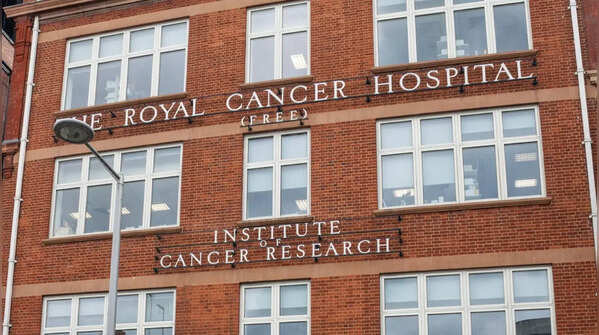
As reported by The Guardian, this wasn’t a small study, either. 102 patients from 11 countries joined in for the study, and all of them were at the end of the line when it came to treatment. Once chemo and immunotherapy stop working, the choices you’re left with are pretty bleak.
But here’s what happened: tumors shrank or disappeared in 43 people. Among them, 28 had major shrinkage; 15 walked away with no trace of cancer on their scans. For a group with nothing left to try, that’s a huge breakthrough.
Professor Kevin Harrington, a leading cancer specialist at the Institute of Cancer Research in London and a consultant oncologist at The Royal Marsden NHS Foundation Trust, put it plainly: “These are unprecedentedly strong responses in patients whose disease has become resistant to both chemotherapy and immunotherapy.” He stressed just how remarkable it is to see such effects in people who have tried everything already, saying, “This is a group of patients for whom treatment options are extremely limited, so seeing this level of benefit is very striking.”
How is this shot different from chemo?
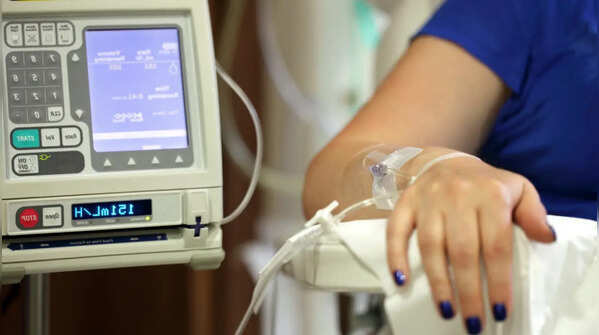
Regular chemotherapy just blasts any cells that divide quickly, good or bad. Amivantamab takes a smarter approach. It works on three fronts: blocking EGFR (a protein that helps a lot of tumors grow), shutting down the MET pathway (another escape route tumors use to dodge treatment), and, on top of that, it rallies your immune system to spot and destroy cancer cells. By hitting cancer from several sides at once, it’s a lot harder for tumors to slip away.
As per Harrington, “This treatment has the potential to benefit many thousands of patients each year.”
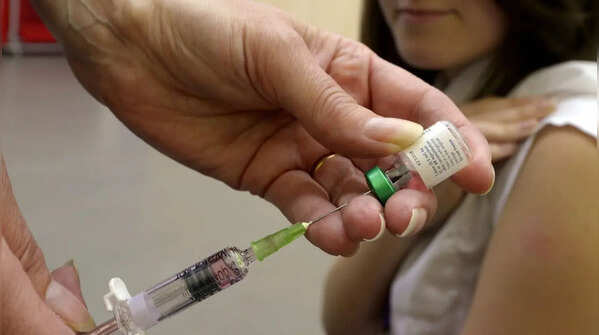
Moreover, there’s an almost unprecedented ease of use for this jab as well. Most cancer drugs need hours hooked up to an IV. Amivantamab? It’s just a quick jab under the skin every three weeks. That makes treatment faster and less of a burden — not just for patients, but for hospitals, too.
What do the patients say?
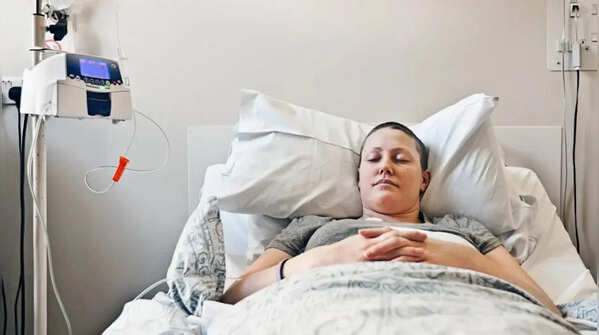
It’s not just numbers on a graph. There’s Carl Walsh, for example. The 56-year-old from Birmingham was diagnosed with tongue cancer in May 2024 and joined the OrigAMI-4 trial at the Royal Marsden in July 2025. How did he fare in that trial?
“I was initially treated with both chemotherapy and immunotherapy, which unfortunately were not successful,” he said. “At that point, I was recommended for the OrigAMI-4 trial. I’m now on my 17th cycle of treatment, and I’m very pleased with the progress so far.”
Before, he could barely talk or eat. But once he started the injections, swelling dropped, the pain let up, he started eating again, and he dodged the worst of the chemo side effects. “I now feel able to live a normal life. Before starting the trial, I struggled to speak properly and found eating difficult because of the swelling and pain,” he said.
What’s more? Walsh shared, “When things were at their worst I was eating soup, rice pudding, tins of ravioli and spaghetti and many, many omelettes, all augmented by three prescribed nutritional milk drinks a day. I lost quite a bit of weight,” adding, “After only two cycles of the treatment my diet started to return to normal and I was eating a full diet after six months. The thing I enjoyed most was the first big steak. My speech is completely back to normal and at work I speak regularly on headsets without problems.”

Important considerations
One important thing to keep in mind: this trial focused on especially tough head and neck cancers that aren’t connected to HPV. These tend to be even more stubborn, so seeing good responses here means the results matter even more.
Looking at survival, patients getting the jab lived a median of 12.5 months after starting. That might not sound world-shaking, but for this group, even that much time is a win, since survival rates are usually dismal.
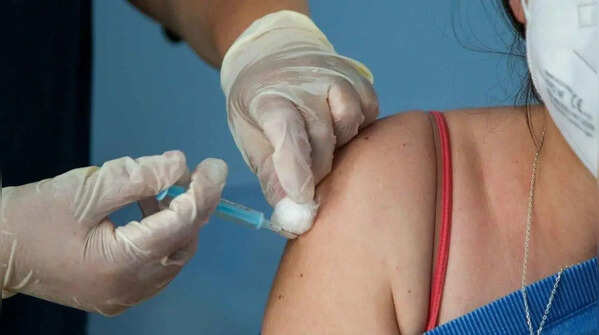
A cancer magic jab on the way?
However, it’s important to remember that despite its success at this stage, this jab isn’t a magic bullet or a cure. The drug’s still under study, and it’ll take bigger trials to know how well it works in the long run, how safe it really is, and who else it might help.
But the potential goes way beyond just head and neck cancer. Amivantamab’s already got approval for certain lung cancers and is being tested in around 60 trials worldwide, including for colon, stomach, and brain cancers.
As of now, scientists are eyeing a bigger trend, too, as cancer treatments are moving toward targeted injections and vaccines that train or boost your immune system, instead of just throwing toxic drugs at the disease. Instead of nuking the whole body, it’s about getting smarter and more personal with treatment.
Cancer medicine has seen more “breakthroughs” than it can count, and plenty fizzle out in later studies. Even so, most doctors agree: these results are hard to ignore. For patients running out of options and time, a single jab that can shrink or erase tumors delivers something cancer treatment rarely promises: real hope.
Featured In etimes

