
Heatwave hacks: A complete survival plan for India's scorching summer
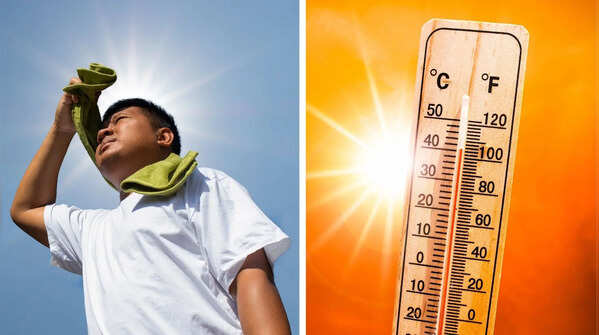
A complete survival plan for India's scorching summer
For millions of Indians, stepping outside these days feels less like leaving home and more like walking into an oven that never switches off.
The metal buckle of a seatbelt becomes too hot to touch. Bike seats feel scorching after just a few minutes in the sun. Even a quick trip to the neighbourhood shop can leave people drenched in sweat and searching for shade. Across many parts of the country, summer is no longer just a season – it is shaping daily routines, influencing travel plans, and determining when people step outdoors.
As temperatures continue to climb, conversations about beating the heat have become less about comfort and more about staying healthy. Whether it is the daily commute, the school run, or a simple afternoon errand, a few practical habits can make a noticeable difference.
Here's a guide to navigating extreme summer days while staying cool, hydrated, and safe.
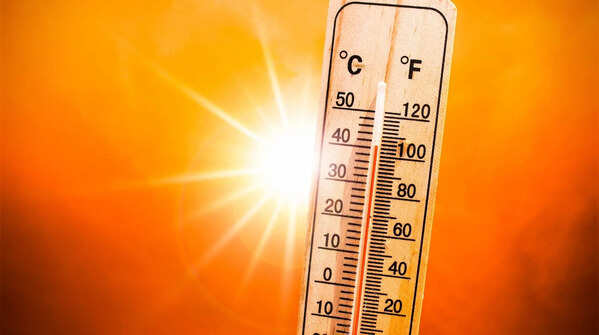
Images: Canva (for representative purposes only)

Why the afternoon sun feels especially brutal
Most people already know that afternoons are hot. What many underestimate is how quickly the body can become overwhelmed.
Between noon and 4 pm, roads, buildings, and vehicles absorb and radiate heat, making the surroundings feel even hotter than the temperature shown on a weather app. That is often why a quick errand can suddenly leave someone feeling dizzy, tired, or unusually thirsty.
If a task can wait until early morning or evening, it usually should.
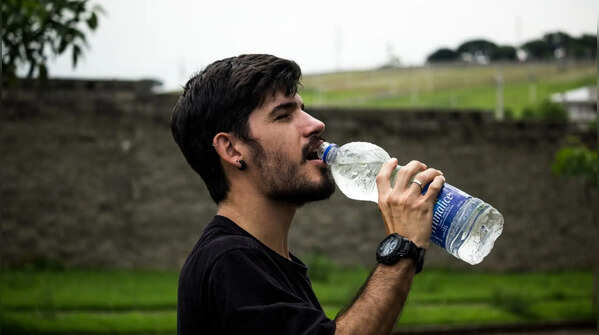
The hydration mistake many people make
A lot of us drink water only when we feel thirsty. During extreme heat, that approach can backfire.
The body loses fluids continuously through sweat, often before we realize it. By the time thirst becomes noticeable, dehydration may already be setting in.
Keeping a water bottle nearby throughout the day helps. Traditional summer favourites such as nimbu pani, chaas, and coconut water can also help replace fluids lost in the heat.

Your wardrobe can either help or hurt
The difference between feeling slightly uncomfortable and completely miserable can sometimes come down to what you are wearing.
Loose cotton clothes allow air to circulate more easily and help sweat evaporate. Light colours also tend to feel cooler because they reflect more sunlight than darker shades.
It sounds simple, but on a day when temperatures are soaring, simple choices often matter the most.
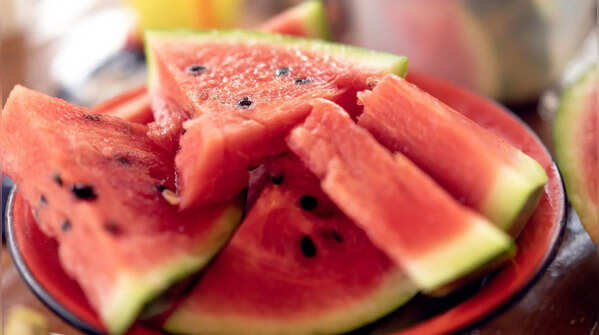
Why heavy meals feel harder in summer
There is a reason many people naturally crave lighter foods during hot weather.
Large, oily meals can leave the body feeling sluggish because digestion itself generates heat. Foods with high water content, on the other hand, can feel more refreshing while helping with hydration.
Watermelon, cucumber, muskmelon, oranges, and fresh salads often become summer staples for exactly that reason.
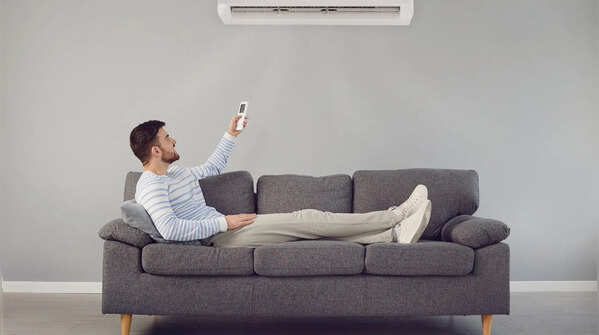
Your home may be trapping more heat than you realize
Many people assume that staying indoors automatically protects them from the worst of the weather. That is not always true.
Rooms exposed to direct sunlight can heat up rapidly during the afternoon. Keeping curtains closed during peak hours and opening windows during cooler parts of the day can help improve airflow and reduce indoor heat buildup.
Even small changes can make a room noticeably more comfortable.

The warning signs that should never be ignored
Heat-related illnesses rarely arrive without warning.
Persistent headaches, dizziness, nausea, muscle cramps, unusual fatigue, and excessive sweating can all be signals that the body is struggling to cope with the temperature.
These symptoms should not be brushed aside as ordinary tiredness. Moving to a cooler place, resting and rehydrating can help prevent a more serious situation from developing.

Children and elderly family members need extra attention
Young children and older adults often find it harder to regulate body temperature.
A child playing outdoors may not realize they are overheating. Similarly, elderly family members may not always feel thirsty despite needing fluids.
Regular reminders to drink water, avoid prolonged sun exposure, and stay in cooler spaces can go a long way in protecting those who are most vulnerable during a heatwave.
A few small habits that can make summer easier
Carrying a reusable water bottle. Keeping an umbrella handy. Wearing sunglasses during long commutes. Taking short breaks from the sun whenever possible.
None of these actions seem dramatic on their own. Yet together, they can make daily life considerably easier during extreme weather.
That is perhaps the reality of surviving an Indian summer. There is no secret trick that suddenly makes a 45-degree afternoon pleasant. The real difference often comes from small, practical decisions repeated every day.
And during a season that seems determined to test everyone's patience, those decisions can be more valuable than they appear.
Disclaimer: The information provided in this article is for general awareness and informational purposes only. It is not a substitute for professional medical advice, diagnosis, or treatment. Always consult a healthcare professional for health-related concerns.
Featured In etimes

