
- News
- etimes
- animals-pets
- Green anacondas can do THIS? 10 facts that may surprise you
Green anacondas can do THIS? 10 facts that may surprise you
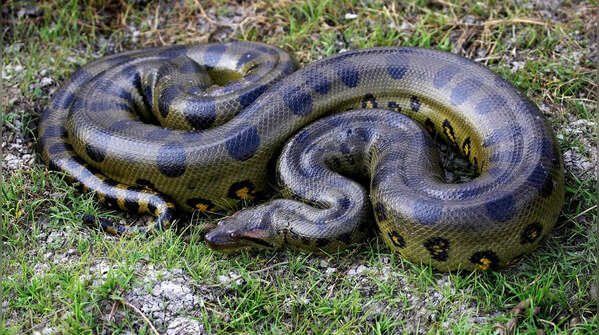
10 facts about green anacondas
A giant snake sliding silently through dark water is enough to stop anyone in their tracks. That's probably why green anacondas continue to fascinate people, whether it's through wildlife documentaries, viral videos, or stories shared online.
Most people know them as some of the biggest snakes on the planet. But size is only one part of what makes them unusual. The more scientists study these reptiles, the more surprises they uncover. Some of their habits sound straight out of a movie, yet they're simply part of how these snakes survive in the wild.
Here's a closer look at some of the facts that make green anacondas unlike almost any other snake.
Images: Canva (for representative purposes only)
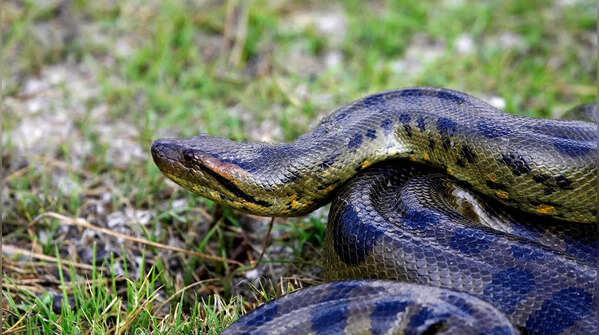
Bigger isn't always longer
Ask someone to name the largest snake in the world, and chances are they'll say “anaconda.”
That's partly true. Green anacondas are generally recognized as the heaviest snakes on the planet. They may not beat every python in length, but their bodies are far thicker and more powerful. A fully grown female can weigh more than many people expect from a reptile.
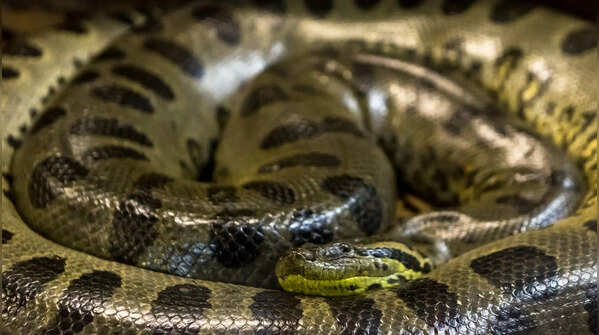
They are more comfortable in water than on land
Most images of snakes show them crossing forests, deserts, or grasslands. Green anacondas are different.
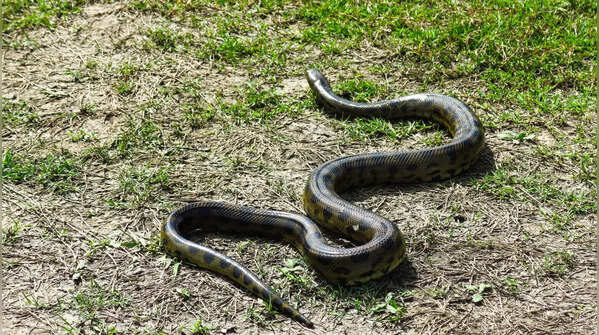
Much of their life revolves around water. Rivers, marshes, and flooded forests give them the perfect place to hunt, rest, and stay hidden. In fact, seeing one fully stretched out on land is far less common than spotting it partly submerged.
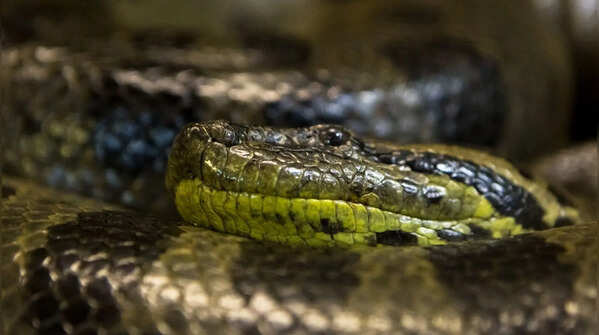
You could be looking right at one and never know it
One reason green anacondas are such effective predators is that they don't need to chase their prey.
They often wait.
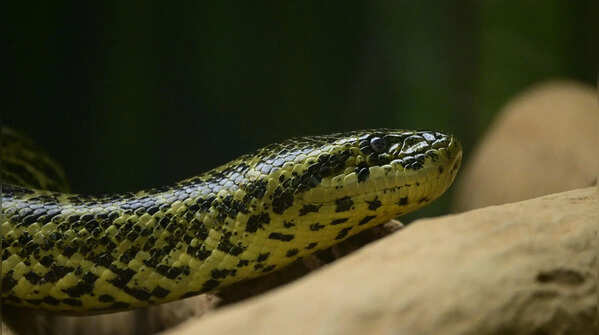
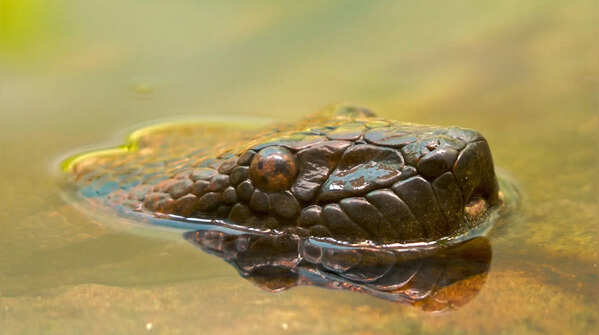
Their colouring blends remarkably well with muddy water and thick vegetation. Add to that the fact that only their eyes and nostrils may be visible above the surface, and it's easy to understand why so many animals fail to notice them.
The females are the real giants
Here's something many people don't expect.
Among green anacondas, females are usually much larger than males. The difference isn't small either. In some cases, females can outweigh males by a considerable margin, making them the dominant giants of the species.
They skip the egg-laying stage
Many snakes lay eggs and leave them behind. Green anacondas take a different route.
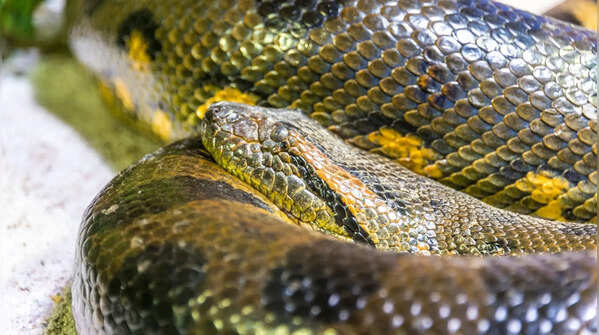
The young develop inside the mother's body and are born alive. A single female can produce dozens of babies at one time, which is one reason the species has managed to thrive across large parts of South America.
They can afford to miss a few meals
Imagine eating once and not worrying about food for weeks.
For a green anaconda, that's normal.
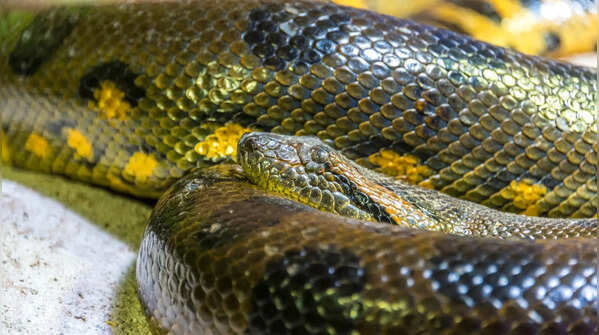
After consuming a large prey animal, the snake may not need another substantial meal for a very long time. Its slow metabolism allows it to make the most of every successful hunt.
No venom, just raw strength
People often assume that a snake this intimidating must be venomous.
Green anacondas aren't.
Instead, they rely on powerful muscles. Once prey is caught, the snake coils around it and gradually tightens its grip. It's a hunting strategy that has worked for millions of years.
Their menu is wider than most people realize
Green anacondas aren't fussy eaters.
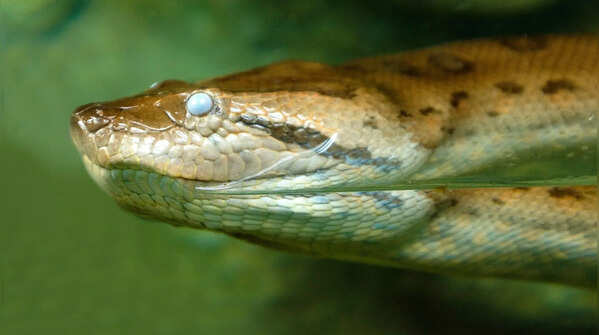
Fish, birds, turtles, and large mammals can all become part of their diet. What they eat often depends on what is available in their habitat. Their flexible jaws help them tackle prey that appears impossibly large compared to their head size.
Despite their size, they remain surprisingly mysterious
You would think an animal this large would be easy to study.
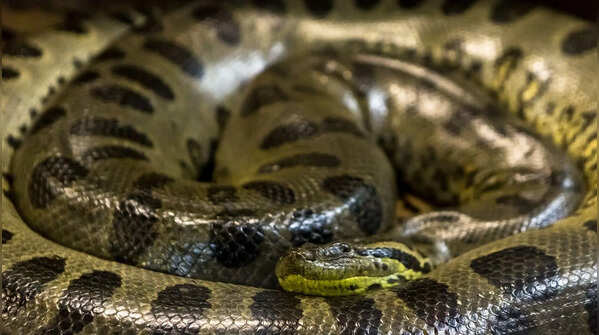
Yet many aspects of green anaconda behaviour remain difficult to observe because they spend so much time in remote wetlands and dense vegetation. Researchers are still learning new things about them.
The stories around them never seem to end
For generations, travellers have shared tales of giant snakes hidden deep within South American jungles.
Some stories are exaggerated. Others contain a grain of truth. Either way, the green anaconda has developed a reputation that few animals can match. It sits somewhere between wildlife reality and human imagination, which may explain why people remain so fascinated by it.
Featured In etimes

