
- News
- etimes
- animals-pets
- Eastern Brown snake’s favourite hiding places: Here's where one of Australia's most venomous snakes prefers to stay concealed around homes, gardens and everyday human spaces
Eastern Brown snake’s favourite hiding places: Here's where one of Australia's most venomous snakes prefers to stay concealed around homes, gardens and everyday human spaces
Eastern Brown snake’s favourite hiding places: Here's where one of Australia's most venomous snakes prefers to stay concealed around homes, gardens and everyday human spaces
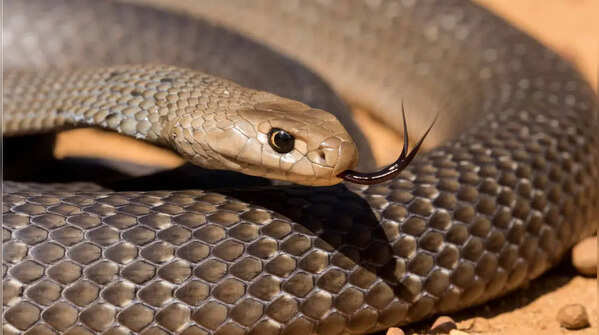
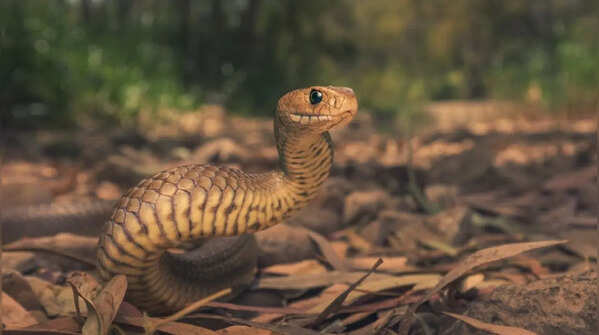
Eastern brown snake (Pseudonaja textilis) is considered to be one of the most lethal snakes in Australia. Inhabiting large parts of eastern and central Australia, the extremely venomous snake is distinguished by its agility, alertness, and adaptation to diverse conditions. Contrary to the reputation it earns for itself, Eastern brown snake spends much time concealed in its preferred places. Knowing the types of hiding places Eastern brown snakes choose helps us understand why they end up surprising people even at home, on farms, and in urban areas.
(Photos from Shutterstock)
Natural hiding sites
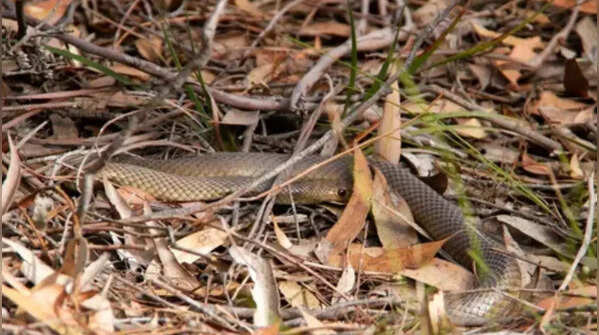
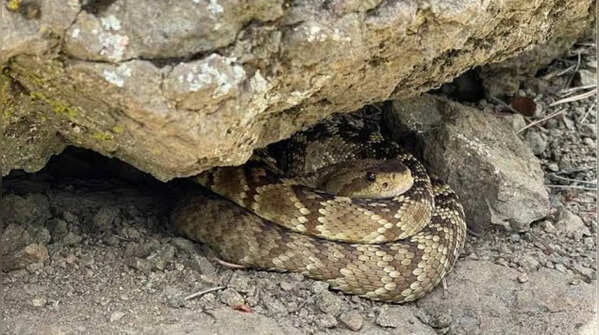
In nature, the hiding areas of choice for Eastern Browns include a wide range of different natural environments. One type of hide is the fallen tree, which is a place where they can find cover and darkness. Rocks are often sought as places of refuge and shelter from the sun, as they keep snakes concealed when temperatures rise.
Reasons why Eastern Browns hide
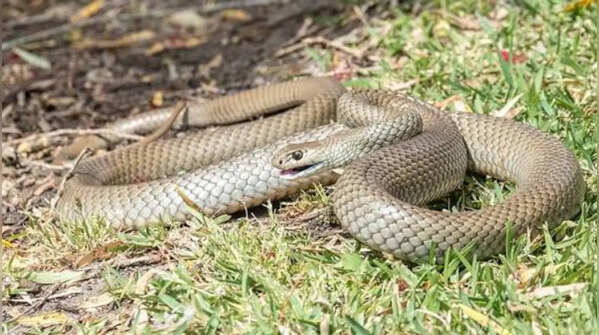
According to a study by the Australian Museum, the Eastern Browns are unlikely to chase humans. They will only hide in order to protect themselves, regulate their body temperatures, and have easier access to sources of food. These snakes seek out secure areas which offer both protection from danger, harsh weather conditions, and disturbance and at the same time keep them close to their prey, such as rats, mice, lizards, and small birds. Scientists have discovered that the majority of time spent by these snakes in shelters is devoted to hunting, basking, or traveling to another location.
Habitats that they prefer
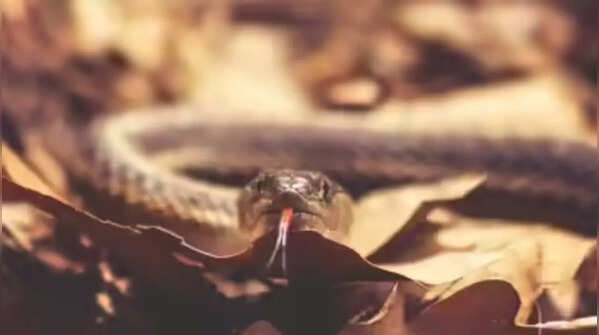
Holes in the soil are yet another habitat they favor. This is especially true in arid environments, where deep fissures in the soil can conceal snakes for an extensive period of time. Burrows made by other animals, like rabbits or rodents, are often utilized as hiding places. Many studies have documented Eastern Browns making use of burrows and cracks in the soil. These snakes can stay for several months hibernating in underground places during winter, decreasing their level of activity. They have also been seen to share the same overwintering place with other Eastern Brown Snakes.
Why eastern brown snakes are often seen around houses
These snakes' adaptability allows them to appear near residential areas. Eastern Brown Snakes have successfully adjusted to living in farming lands, rural lands, and suburban outskirts where they find both food and shelter. Rats and mice attracted into houses, farms, and storerooms can serve as an easy source of food. This means that the snakes might find it interesting to visit the place where these creatures live. Sheds, garages, barns, or other structures can provide both the necessary cover from noise and light, as well as the presence of their prey inside.
Human-made hiding spots
The Eastern Brown Snake is known to utilize artificial shelters easily. The wildlife specialists point out that the snakes tend to hide under iron sheets, construction materials, old pieces of wood, and other items abandoned at the site. Such places are comfortable, protective and accessible. Concrete constructions can also become excellent winter shelters. It is worth noting that in some recorded instances several Eastern Brown Snakes were found under the slabs of the houses and other constructions of concrete.
Their preferred habitats are as follows:
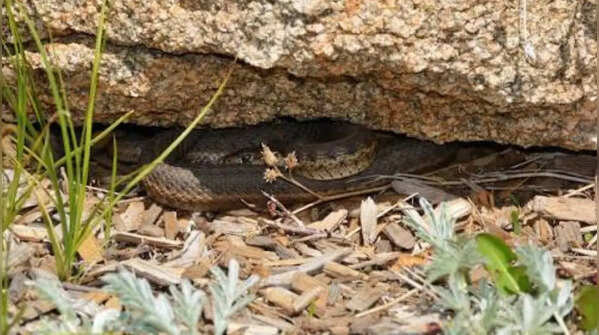
Eastern Browns are incredibly adaptable creatures living in a variety of habitats. Their favorite habitats include open woodlands, shrublands, grassland, savanna, farms, and semi-forested regions. It is interesting to note that unlike the majority of other snakes, Eastern Browns usually prefer more open environments and avoid dense rainforests. In the case of urban or suburban areas, these snakes can be usually spotted at the fringe areas of the town or city limits, particularly where nature meets human settlements.
Featured In etimes

