- News
- entertainment
- events
- bhopal
- An online exhibition on the Indian coastal communities
Trending
This story is from August 5, 2020
An online exhibition on the Indian coastal communities
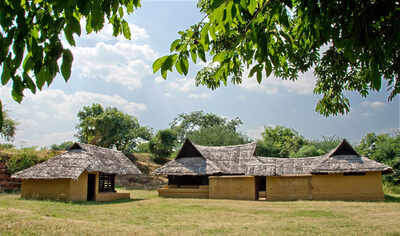
Indira Gandhi Rashtirya Manav Sangrahalaya (IGRMS) has a wonder full treasure of housing patterns in its open air exhibitions providing insight to understand life and culture of various Indian communities living in different geo-climatic zones. The  Under this series, today
Dr. Praveen Kumar Mishra, Director, IGRMS said that
Coastal Village
is one such exhibition enabling visitors to understand the socio-cultural life of Indian coastal communities.Indira Gandhi Rashtriya Manav Sangrahalaya (IGRMS) launched new series to display online the exhibits with the aim of digitally connecting everyone with them due to lock-down during the current COVID-19 epidemic.“
Naalkettu of kerala
”
- a traditional house type from Kerala, Exhibition of IGRMS has been presented online with its basic information and photographs and videos.Dr. Praveen Kumar Mishra, Director, IGRMS said that
t
he main objective of this series is to highlight the aesthetic features of traditional lifestyles, local knowledge, and culture’s continuing relevance with modern society. Rakesh Bhatt, the officer in charge of the exhibition area told that Joint family system has been a significant feature of India's social structure and it’s best examples are visible amongst the rural communities. In this episode, an attempt will be made to understand such a distinct social system through a house type in this exhibition.Naalukettu
is basically a pattern of housing structure which were constructed during the 15th-18th century for two major communities Nambuthiri
Brahmins and Nair
warriors of Kerala. TheseNaalukettu
were owned by the matrilineal joint family and the property used to be inherited from mother to daughter & granddaughter. The present exhibit installed at IGRMS was also owned by the members of a joint family of more than ten generations since the 18th century. Traditionally, theNaalukettu
of the Brahmins or Nambudiri
was known as Illams
or Manas
, whereas that of the Nayar’s
were known as Tarawads
. End of Article
FOLLOW US ON SOCIAL MEDIA


Photostories
entertainment videos

Featured In Movies
Popular Categories
Entertainment NewsBollywood NewsTollywood NewsKollywood NewsMollywood NewsMovie ReviewsLatest Hindi MoviesLatest Tamil MoviesMX PlayerParenting TipsHome RemediesWeight LossBeauty TipsParenting TipsHindi VideosHindi Video SongsBhojpuri Music VideosLatest Telugu MoviesBhojpuri Music VideoHindi TV News
Trending in Entertainment
Latest MoviesBollywood MoviesHollywood MoviesTamil Movies 2024Telugu Movies 2024Malayalam Movies 2024Kannada Movies 2024Marathi Movies 2024Bengali Movies 2024Top Rated Movies 2024Best Hindi MoviesBest English MoviesBest Telugu MoviesBest Tamil MoviesBest Malayalam MoviesBest Kannada MoviesBest Bengali MoviesUpcoming Hindi MoviesBest Movies Of All TimeBest Hindi Movies of All Time
Trending in Etimes
Horoscope TodayNumerology Predictions TodayDinner With TrumpTim WalzIvanka TrumpJose LopezKristina JoksimovicJoe WilsonTrump Eating The Dogs SongGermany NewsKamala HarrisPrince HarryPatriot Day 2024Diabetes RiskHappy Mindfulness Day 2024Trump Vs HarrisJoe JonasPositive Thinking Day 2024Dave Bautista
Trending in TV
Trending in Lifestyle
Trending in Regional
Movie Reviews
Berlin ReviewThe Buckingham Murders ReviewSpeak No Evil ReviewVisfot ReviewThalapathy Is The G.O.A.T ReviewRebel Ridge ReviewDetective Conan vs. Kid the Phantom Thief ReviewBeetlejuice Beetlejuice ReviewPad Gaye Pange ReviewA Wedding Story ReviewThe Diary Of West Bengal ReviewTikdam ReviewKinds Of Kindness ReviewAfraid Review
Upcoming Hindi Movies
Upcoming Regional Movies
Latest News
New season begins with renewed hope for BlastersPremier League: Erling Haaland hits another two in Man City's come from behind win over BrentfordMeerut building collapse: 3 dead; rescue operations continueDon’t rethink pink. Plane truth is we need women-friendly seatsWWE NXT Star Reunites With Father At TNA Victory RoadKashmir will soon get a government, but those blinkers are going to stay‘There is no affordable transport currently, the biggest problem in Goa is taxis’IIM Jammu hosts 'Fostering Academia and Industry Partnerships' event at BengalaruMP Bharat, TDP Andhra President Srinivas promise action to safeguard protection of steel plant workersLiverpool slump to shock 1-0 home defeat by Nottingham ForestHimanta urges banned ULFA(I) chief not to indulge in activity jeopardising future of Assam's youthActivists complain as showroom burns old papers; NMMC penalizes Rs 250 onlyVinith Venkatesh scores in ISL debut as Bengaluru FC edge past East BengalJitendra Jorwal takes charge as new Ludhiana deputy commissioner, vows seamless delivery of services'Hindi must be made acceptable, not imposed'37 year old beats fatty liver condition with unbelievable weight lossWhat You’re Always Doing, According to Your Zodiac SignCong holds protests on second anniversary of MLA defections
Other Group Sites -
ETimes is an Entertainment, TV & Lifestyle industrys promotional website and carries advertorials and native advertising.