
Cervical cancer: Healthy preventive measures to know
TIMESOFINDIA.COM | Feb 22, 2024, 10.30 AM IST

Cervical cancer is a type of cancer that occurs in the cells of the cervix, which is the lower part of the uterus that connects to the vagina. The cervix plays a crucial role in childbirth by dilating during labor to allow the passage of the baby. Cervical cancer is highly preventable with vaccination against HPV, regular cervical cancer screening, practicing safe sex, avoiding smoking, and maintaining a healthy lifestyle. Early detection through screening and prompt treatment can significantly improve the chances of survival and reduce the risk of complications from cervical cancer.
The human papillomavirus (HPV) vaccine can prevent infection with the high-risk HPV types that cause most cervical cancers. Vaccination is typically recommended for both boys and girls around the ages of 11 or 12, although it can be administered as early as age 9 and up to age 26 for females and age 21 for males who have not been vaccinated previously.
Regular cervical cancer screening can detect precancerous changes or early-stage cancer, allowing for timely treatment. Screening methods include the Pap test (Pap smear), which detects abnormal cervical cells, and HPV testing, which detects the presence of high-risk HPV strains. Guidelines for screening frequency vary by age and risk factors, so it's important to follow recommendations from healthcare providers.
Practicing safe sex, such as consistent condom use and limiting sexual partners, can reduce the risk of HPV infection, which is a major risk factor for cervical cancer. However, it's important to note that HPV can still be transmitted through skin-to-skin contact in the genital area.


Avoid smoking. Smoking is a known risk factor for cervical cancer. Quitting smoking can reduce the risk of developing cervical cancer as well as other types of cancer and improve overall health.
Maintaining a healthy lifestyle, including a balanced diet rich in fruits and vegetables, regular exercise, and maintaining a healthy weight, can support overall health and reduce the risk of various cancers, including cervical cancer.
Minimizing exposure to known carcinogens, such as certain chemicals and environmental toxins, may help reduce the risk of cervical cancer. This may include following safety guidelines in the workplace and avoiding exposure to harmful chemicals in everyday products.
While these measures can significantly reduce the risk of cervical cancer, it's important to note that they may not guarantee prevention in all cases. Regular screening and early detection remain crucial for identifying cervical abnormalities or cancer at an early stage when treatment is most effective.
(Author: Dr Deepika Aggarwal- Director- Obstetrics and Gynaecology, CK Birla Hospital, Gurugram)
The human papillomavirus (HPV) vaccine can prevent infection with the high-risk HPV types that cause most cervical cancers. Vaccination is typically recommended for both boys and girls around the ages of 11 or 12, although it can be administered as early as age 9 and up to age 26 for females and age 21 for males who have not been vaccinated previously.
Cervical cancer preventive measures
Regular cervical cancer screening can detect precancerous changes or early-stage cancer, allowing for timely treatment. Screening methods include the Pap test (Pap smear), which detects abnormal cervical cells, and HPV testing, which detects the presence of high-risk HPV strains. Guidelines for screening frequency vary by age and risk factors, so it's important to follow recommendations from healthcare providers.Practicing safe sex, such as consistent condom use and limiting sexual partners, can reduce the risk of HPV infection, which is a major risk factor for cervical cancer. However, it's important to note that HPV can still be transmitted through skin-to-skin contact in the genital area.
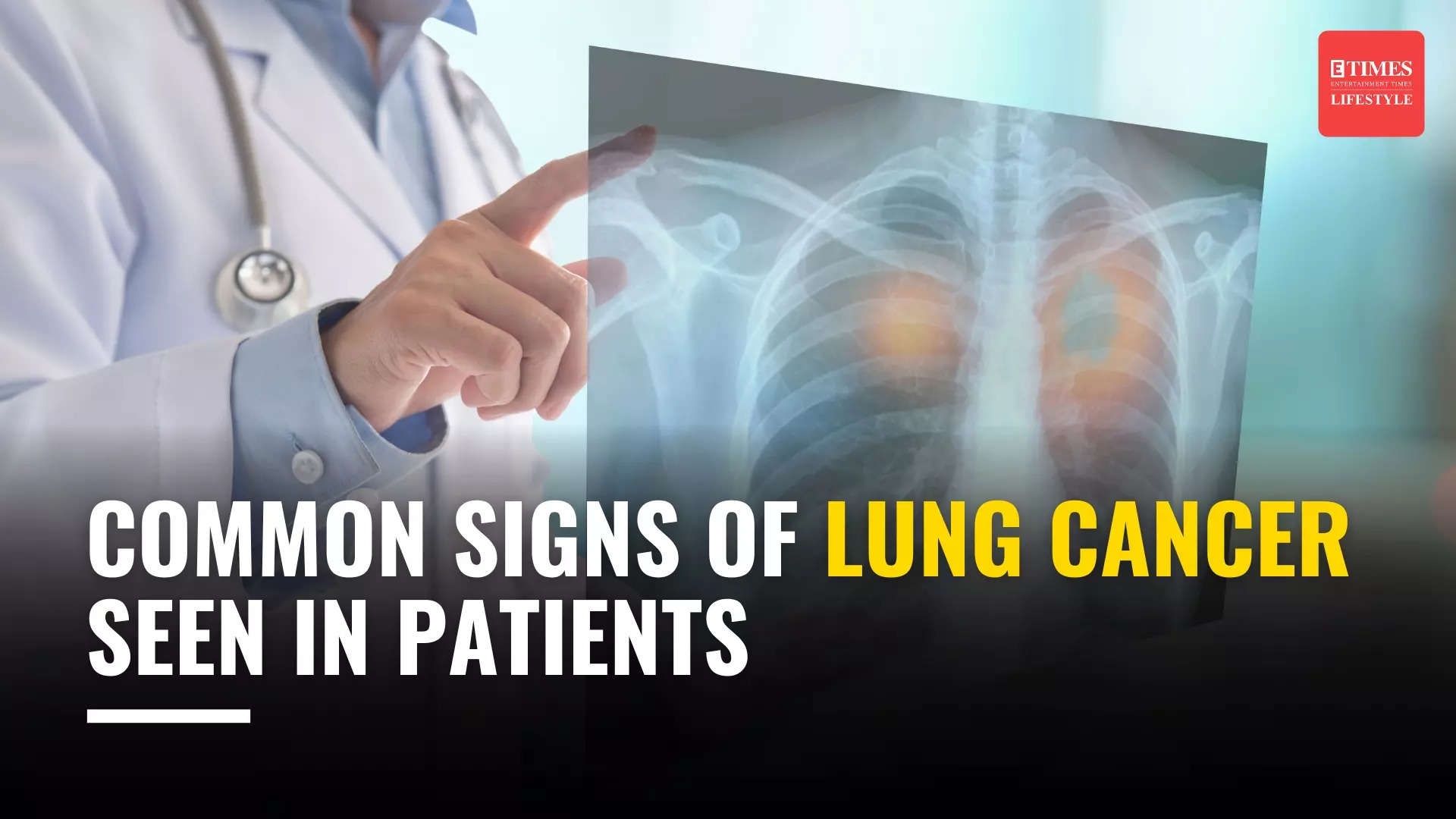
Common symptoms of lung cancer
04:45
Avoid smoking. Smoking is a known risk factor for cervical cancer. Quitting smoking can reduce the risk of developing cervical cancer as well as other types of cancer and improve overall health.
Maintaining a healthy lifestyle, including a balanced diet rich in fruits and vegetables, regular exercise, and maintaining a healthy weight, can support overall health and reduce the risk of various cancers, including cervical cancer.
Minimizing exposure to known carcinogens, such as certain chemicals and environmental toxins, may help reduce the risk of cervical cancer. This may include following safety guidelines in the workplace and avoiding exposure to harmful chemicals in everyday products.
While these measures can significantly reduce the risk of cervical cancer, it's important to note that they may not guarantee prevention in all cases. Regular screening and early detection remain crucial for identifying cervical abnormalities or cancer at an early stage when treatment is most effective.
(Author: Dr Deepika Aggarwal- Director- Obstetrics and Gynaecology, CK Birla Hospital, Gurugram)